
Expert Bathroom Renovation Tips for Waterproofing & Décor
Renovate your bathroom with the right waterproofing and decor tips
Waterproofing in bathrooms is the single most important step in any renovation, and skipping it can cost you far more later. The right materials, from bathroom waterproof flooring to epoxy grout, can be the difference between a bathroom that lasts a decade and one that doesn't. Indian bathrooms face specific, climate-driven challenges that standard renovation guides don't account for. Dr. Fixit's waterproofing solutions are built to address exactly these problems, from seepage to mould to joint failure.



Table of Contents
- Why is waterproofing non-negotiable?
- Common waterproofing issues in Indian bathrooms
- Planning your bathroom renovation
- Material selection and installation
- Decor and aesthetic enhancements
- Long-term maintenance tips
- Why choose Dr. Fixit for bathroom waterproofing
- Conclusion
- Frequently asked questions (FAQs)
Renovating your bathroom can be an exciting yet overwhelming project, especially if you're not well-versed in the technical aspects. Whether you're updating a compact bathroom or refurbishing a larger one, understanding key factors like waterproofing in bathroom spaces is crucial to ensure durability and prevent costly repairs down the road.
This comprehensive guide will walk you through all the essential considerations of a bathroom renovation, from waterproofing and material selection to layout optimisation and decor tips.

Why is waterproofing non-negotiable?
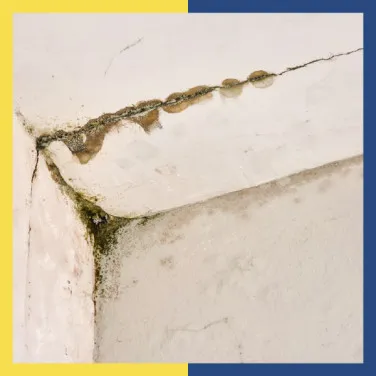
Waterproofing is arguably the most critical step in any bathroom renovation. In Indian homes, common issues such as seepage, mould, and water damage often stem from inadequate waterproofing. Without proper protection, water can seep into walls and floors, leading to structural damage, increased maintenance costs, and decreased longevity of your renovation.
Advanced waterproofing solutions like those offered by Dr. Fixit protect your bathroom against these issues. Whether you're tackling floors, walls, or joints, these areas need special attention to prevent moisture buildup. Investing in quality waterproofing materials will keep your renovation in check for years.

Common waterproofing issues in Indian bathrooms
Bathroom leakage waterproofing is a persistent concern in Indian homes, and older construction, humid climates, and hard water all compound the problem. Here are the most common issues and how to address them.
- Problem – Older buildings are more prone to moisture infiltration, leading to water seeping and dampness through walls and ceilings.
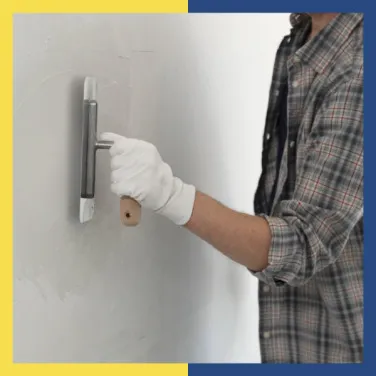
Solution – Ensure thorough waterproofing of both internal and external walls, especially in areas prone to water exposure. Use high-quality sealant for bathroom walls and waterproof coatings, such as those offered by Dr. Fixit.
- Problem – The humid climate encourages mould and mildew to flourish, leading to unsightly stains and potential health risks.
Solution – Regular cleaning with anti-fungal solutions and proper ventilation (through exhaust fans or open windows) can help prevent mould. Waterproof coatings can also act as a barrier.
- Problem – Leaky plumbing is a common problem that leads to water pooling around pipes, causing damage to flooring and walls.
Solution – Proper installation of pipes with tight seals is essential. Regular inspection and maintenance of plumbing systems can also prevent leaks from becoming bigger.
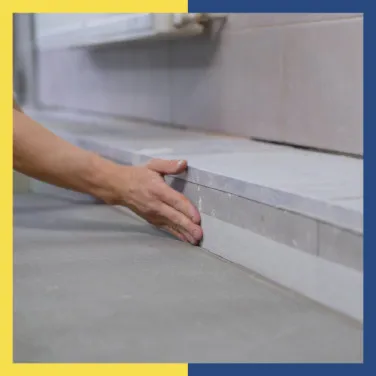
- Problem – The junctions between walls, floors, and ceilings are often vulnerable to water infiltration.
Solution – Pay close attention and use a high-quality sealant for your bathroom joints. Waterproofing membranes should also be applied to these critical areas during renovation.
- Problem – Bathroom tiles may crack over time due to water pressure, poor-quality materials, or improper installation, leading to leaks.
Solution – Use high-quality tiles that are resistant to water damage. Ensure they are installed with the right adhesive and grout. Seal the grout lines to prevent moisture penetration.
- Problem – Poorly designed or clogged drains can cause water to stagnate, causing water damage and mould and mildew buildup.
Solution – Ensure the bathroom has adequate drainage, with sloped floors directing water toward the drains. Clean the drains regularly to avoid blockages.
- Problem – Lack of or poor-quality waterproofing membranes beneath tiles can cause moisture to seep into the floor and walls.
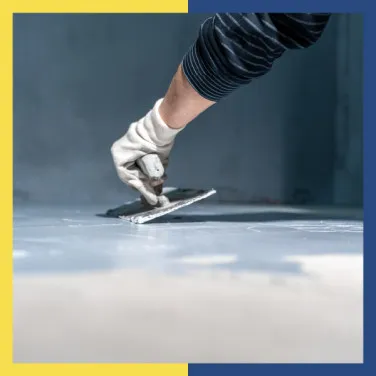
Solution – Apply a reliable waterproof membrane before tiling. This extra layer will prevent water from getting trapped underneath the surface.

Planning your bathroom renovation
A successful bathroom renovation begins with a clear plan balancing aesthetics and functionality. Here are some critical points to consider.
- Space optimisation
Whether you have a compact or spacious bathroom, the layout should optimise space to enhance practicality. Consider corner sinks, floating vanities, and wall-mounted storage for smaller bathrooms to free up floor space. In larger bathrooms, you can experiment with expansive features like freestanding tubs and rain showers.
- Budget considerations
Renovating a bathroom can be costly, so it's important to balance quality with affordability. While cutting costs on materials is tempting, opting for cheaper, low-quality options may eventually lead to more expenses. Always prioritise bathroom waterproof flooring and other structural elements over aesthetics, as they form the foundation of a long-lasting bathroom.
- Consulting professionals
Working with experienced contractors, architects, or interior designers is essential for plumbing, waterproofing, and layout planning tasks. They can guide you on technical aspects and ensure your bathroom renovation meets all the safety and quality standards.

Material selection and installation
Choosing the right materials for your bathroom is one of the primary ways of creating a durable and waterproof space. Below are a few things that you need to keep in check.
- Selecting the right tiles
Not all tiles are equally resistant to water. When choosing tiles, look for those with a porcelain or ceramic base, as they have low water absorption rates. The Water Absorption Rate (listed in the specifications) should be less than 0.5% for high water resistance. Tiles with a glazed finish are especially effective at repelling moisture.
How to check?
Use a simple water test by placing a drop of water on the surface of the tile. The tile has good water resistance if the water beads up and doesn't penetrate the surface within a few minutes. You can also check for the Porcelain Enamel Institute (PEI) rating to determine its durability against wear and tear.
- Grout and sealants
Epoxy grout is far superior to traditional cement-based grout when it comes to water resistance. It forms a dense, non-porous layer that resists water infiltration and prevents stains. Pairing epoxy grout with the right sealant for bathroom surfaces ensures a near-impenetrable moisture barrier.
How to check?
Ensure that the grout is thoroughly sealed after installation. Over time, grout can become porous and allow water to seep through. A quick check is to apply a small amount of water to the grout lines. If the grout darkens, it's absorbing moisture, indicating it's time to reseal or switch to a more water-resistant option like epoxy grout.
- Waterproof bathroom ceiling panels
Waterproof bathroom ceiling panels are a smart addition that prevents moisture buildup in humid environments. Many ceiling panels available today are designed to withstand constant exposure to moisture, keeping your bathroom dry and visually appealing. Look for panels that are UV resistant and can withstand moisture and temperature fluctuations.
How to check?
Examine the panel's composition. PVC panels have a smooth surface that prevents water absorption, whereas older materials like gypsum or wood may allow moisture to penetrate. If you're considering waterproof bathroom ceiling panels, check for a CE marking or ISO certification, which ensures the product meets international water-resistance standards.
- Plumbing system installation
Plumbing issues are one of the leading causes of water damage. Use PPR (polypropylene random copolymer) pipes or CPVC (chlorinated polyvinyl chloride) pipes, which are known for their resistance to high temperatures and water corrosion. Always use high-quality waterproof sealing tape at all joints to prevent leaks. Leaky pipes can undo all your waterproofing in bathroom efforts, so hiring a professional plumber is beneficial.
How to check?
After installation, run a water test to check for leaks. Turn on all water fixtures, then check each joint and connection for signs of leakage. Before finishing the installation, a professional plumber should use a pressure testing kit to ensure the integrity of the plumbing system.

Decor and aesthetic enhancements
Your bathroom decor is essential in turning it into a functional yet visually attractive space. Consider the following aesthetic enhancements.
- Lighting
Install bright lighting around the mirror for daily grooming while incorporating softer lighting for a relaxing atmosphere during baths or showers. For a luxurious touch, consider recessed lighting or wall sconces.
- Trending bathroom decor styles
Sleek lines and neutral tones are popular for those seeking a clean and minimal aesthetic. You can use natural stone finishes, textured tiles, and wood accents for a more luxurious design.
- Storage solutions
Efficient storage is vital, especially for compact bathrooms. Floating shelves, built-in cabinets, or vertical storage units can keep your bathroom organised and clutter-free.

Long-term maintenance tips
Once your renovation is complete, maintaining it properly ensures its longevity. Regularly inspect the waterproofing in the bathroom to ensure there's no damage, especially in high-moisture zones like showers and around plumbing fixtures.
Cleaning your bathroom regularly is equally important to maintain its aesthetic appeal and hygiene. Use non-abrasive cleaners and avoid harsh chemicals that could damage your tiles or fittings.

Why choose Dr. Fixit for bathroom waterproofing
Not all waterproofing products are built for Indian climate with its heat, monsoons, and hard water. Dr. Fixit's range is specifically formulated to handle all of it.
With Dr. Fixit, you get comprehensive waterproofing chemicals for bathrooms as well as other areas of the house. Used across residential and commercial projects, these products are tested in laboratories and are built to last through years of daily use.
If you want to learn how to do waterproofing in your bathroom the right way, make sure to choose Dr. Fixit’s waterproofing solutions.

Conclusion
Waterproofing ensures your bathroom remains dry and free of water-related issues for years. By selecting the right materials, working with professionals, and considering both aesthetic and functional elements, you can create a stylish and practical space.
Investing in trusted waterproofing solutions like Dr. Fixit will prevent costly repairs and upkeep, allowing you to enjoy a bathroom built to last. Don't wait for water damage to ruin your bathroom. Fill out the form below to contact the experts at Dr. Fixit today.
Frequently asked questions (FAQs)
How to do waterproofing in the bathroom?
Start with a bathroom waterproofing chemical or membrane on floors and walls, seal all joints with a sealant for bathroom gaps, and tile only after the waterproofing layer has fully cured. For the best results, choose a professional who can carry out the full application process without any errors.
What are the best bathroom waterproofing chemicals available?
Polymer-modified coatings, cementitious waterproofing compounds, and liquid-applied membranes are among the most effective. Dr. Fixit offers reliable options across all these categories.
Which areas in a bathroom require waterproofing the most?
Floors, shower zones, wall-floor joints, and areas around plumbing fixtures should have the highest priority, as these see the most water exposure and are most vulnerable to seepage.
Can waterproofing be done without removing existing tiles?
No, you cannot waterproof your bathroom without removing existing tiles. This is because the waterproofing chemical used for bathrooms is applied on its substrate, under the tiled layer
Get Professional Waterproofing Solutions Today
Fill The Form below to took free site evaluation by Dr. fixit point safe painting service expert


Renovation
Questions you should ask a society manager about building repairs before buying an apartment










Renovation
Protect your living space: Difference between a weatherproof and waterproof house


Renovation
How to safeguard your home with waterproofing during the rainy season in India





Renovation
The Ultimate Guide to Monsoon Terrace Waterproofing: Protecting Your Home from Water Damage



Get Professional Waterproofing Solutions Today
Fill The Form below to took free site evaluation by Dr. fixit point safe painting service expert
