
Waterproofing Guidelines: A Comprehensive Guide | Dr. Fixit
Waterproofing Guidelines: A Comprehensive Guide
Ensuring the right waterproofing solutions are in place is crucial for any home's stability, durability, and resilience. This guide explains water-related damage, key areas to protect, and everything else you need to know.



Your house is not a mere structure, it is the result of your hard work, efforts, and dreams. However, this personal safe space needs extra attention to ensure its safety. Water infiltration can threaten this safety along with its beauty and integrity. This is when comprehensive waterproofing solutions come into the picture. They are your best defence to ensure your house remains as beautiful and sturdy as it was on day one.
Let us learn about waterproofing solutions and their importance and explore how to shield your home from unwanted water intrusion.

What is waterproofing?
Waterproofing is a process of applying water-resistant materials to your house, shielding it from water intrusion and any related damages. It becomes exceedingly important because even a small leak can become dangerous as it can build up to weakening walls, roofs, and even the foundation.
Waterproofing solutions creates a protective shield, especially in water-prone areas like bathrooms, kitchens, and roofs, enhancing the building's lifespan and ensuring a safer environment. If you have skipped this step during the construction phase you can still get your house waterproofed.
Why waterproofing is important?
While the primary objective of waterproofing is to prevent water seepage into your house, there are various other reasons you must know. These include -
1. Adds protection to the structure
By creating a strong barrier against water seepage, proper waterproofing prevents moisture from damaging essential elements of your home, such as walls, foundations, and roofs. Water in constant touch with these elements can lead to -
- Corrosion, rusting, and swelling, thereby affecting your home
- Cracks and gaps, thereby increasing the chance of building deterioration
2. Adds to property value
Waterproofing is essential for protecting property value. It keeps leaks, stains, dampness, mould, etc. out, maintains the building's strength, and saves money on repairs. This keeps the property strong and appealing to buyers, boosting its overall value.
3. Aids in preventing short-circuits/ accidents
Water seepage in electrical wires can result in short circuits, fires, and related accidents. Additionally, water can -
- Corrode metal components in electrical systems, rendering them inoperative
- Compromise insulating properties of equipment, leading to electrical hazards and accidents
However, prudent water leakage management minimises the risk of short circuits and other hazards.
4. Cost savings in the long run
Building or buying a house is an expensive affair. Without proper waterproofing, you are likely to spend significantly on frequent repairs and maintenance. This can affect your savings and disrupt your budget.
Water seepage can result in peeling paint, stains, warped surfaces, etc., thereby resulting in compromised aesthetics. It can also damage the furniture kept next to a damp wall. However, by deploying robust water leakage solutions, you can ensure that walls, ceilings, floors, etc., remain free from water-related issues, thus minimising repairs and refurbishments.
5. Helps lead a healthy life
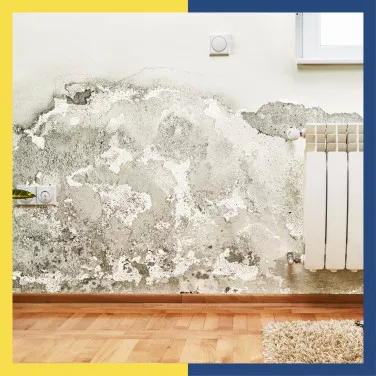
Seepage can dampen walls, roofs, and other important areas of your home. Continuous dampness is a perfect breeding ground for mould and fungus that can affect the health of the residents. Prolonged exposure can lead to headaches, running nose, itchy eyes, skin ailments, etc., leading to long-term health complications.
Prudent roof leakage solutions coupled with wall dampness treatment help keep your home interiors dry and prevent the growth of fungus and mould, thus enhancing indoor air quality and leading to a healthier life.

Signs your space needs waterproofing
Sometimes, damage from moisture builds up quietly before any major leak appears. Spotting early warning signs helps you plan timely waterproofing in the house and avoid costly structural repairs later.
- Persistent damp patches
Damp spots on walls or ceilings that reappear even after repainting often signal deeper seepage.
- Peeling paint and bubbling plaster
Paint that flakes, blisters, or bubbles in specific areas usually indicates moisture trapped behind the surface.
- Musty odour and visible mould
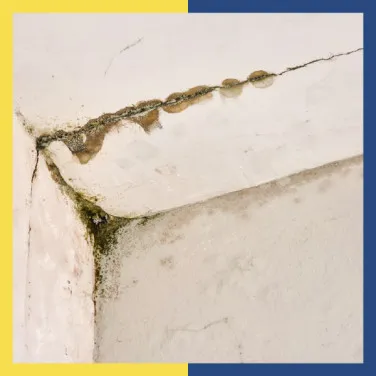
A constant musty smell, along with dark mould patches in corners or behind furniture, shows prolonged dampness.
- White, powdery deposits (efflorescence)
Salty, white deposits on walls or floors suggest water is moving through the surface and leaving minerals behind.
- Swollen wood and rusted metal
Swollen door frames, spongy skirting boards, or rusted metal fittings near damp areas point to ongoing moisture issues.
If you notice these signs, consult specialists for appropriate waterproofing solutions before the damage spreads further.

What you must waterproof in your house
Now that you know why you must waterproof your house, let's learn about the areas that need waterproofing and why -
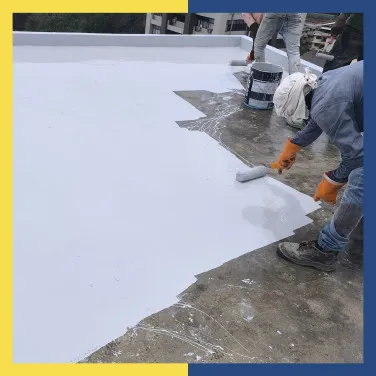
1. Roof waterproofing
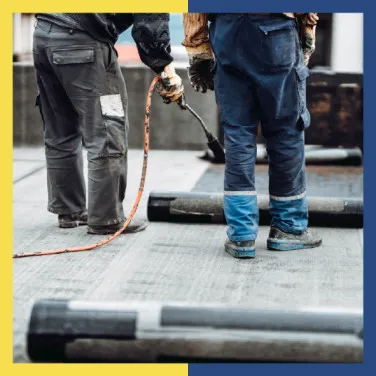
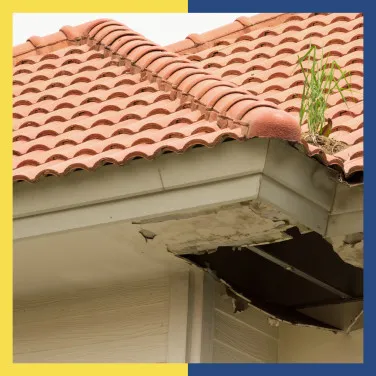
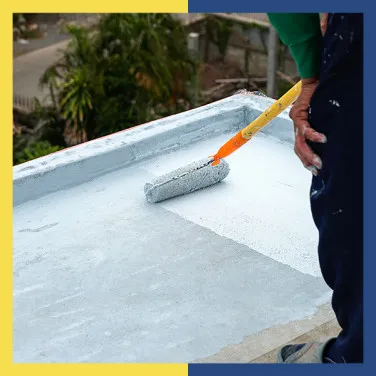
This is one of the most widely waterproofed areas to prevent water seepage and water leakage. It involves applying specialised materials to the roof surface to create a barrier against moisture.
The advantages of roof waterproofing include -
- Protection against water and weather
- Prevents water seepage into the interiors
- Keeps the house cool
- Prevents small cracks and gaps that happen due to heat/water
2. Wall waterproofing
Internal and external wall waterproofing includes applying water-resistant materials, along with an exterior coating to the outer walls. It is primarily used as a wall dampness solution. Its advantages include -
- Protects exterior and interior aesthetics
- Prevents water seepage from the outside
- Prevents mould, stains, peeling of paint, etc.
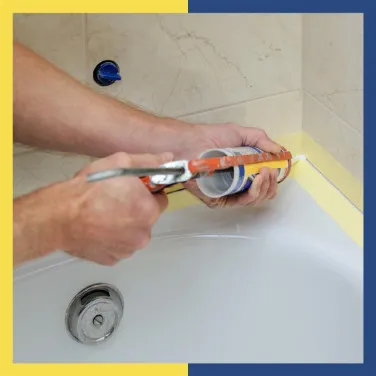
3. Kitchen and bathroom waterproofing
The kitchen and bathrooms are prone to water-related issues due to their constant exposure to water. Kitchen and bathroom waterproofing is done to -
- Protect items like food, cosmetic products, medicines, etc., from contamination
- Prevent seepage to adjoining walls
- Prevent the areas from becoming slippery and causing accidents
4. Water tank waterproofing
Water tank waterproofing is applied to shield the tank from the damages that bulk water storage and constant water exposure can cause. It helps in -
- Keeping the water clean and safe to use
- Prevents seepage into adjoining walls
- Prevents gaps that can allow water in and out
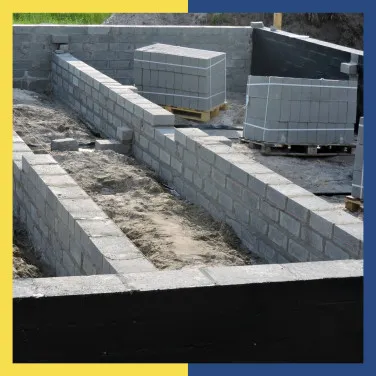
5. Foundation waterproofing
This type of waterproofing can only be done during the construction of the house. It's important as it protects the foundation from groundwater exposure. Its other advantages include -
- Prevents rising water dampness
- Prevents efflorescence

Do’s and don’ts of waterproofing
Long-lasting waterproofing in the house depends on careful planning and proper execution. Keep these simple practices in mind:
- Get a thorough inspection done before deciding on any waterproofing solutions
- Match the system to the area—roofs, bathrooms, and external walls need different treatments
- Ensure surfaces are clean, dry, and repaired before application starts
- Avoid quick cosmetic fixes like only repainting over damp patches
- Don’t mix products or systems without expert guidance
- Never ignore early signs like musty odours, peeling paint, or damp corners
Following these basics helps your expert deliver durable waterproofing in the house and reduces the risk of recurring problems.

Factors affecting the choice of waterproofing products
It is important that you hire a certified contractor to ensure high quality and proper waterproofing. However, having a basic knowledge of the products can save you from hasty work and ineffective waterproofing.
Waterproofing doesn’t follow a one-size-fits-all approach. Before proceeding with it, you need to consider the following factors -
1. Surface you want to waterproof
Different surfaces warrant different waterproofing. While kitchens and bathrooms require solutions that can resist wear and tear and constant exposure to water, surfaces like walls require solutions that can bear harsh weather, seepage, leakage, etc.
2. Climate you reside in
While tropical areas demand robust protection against heavy rainfall, arid regions require safeguarding against temperature fluctuations and heat. Understanding these climate-specific challenges ensures the selection of suitable waterproofing solutions to maintain the building and prevent any damage.

Professional waterproofing solutions from Dr. Fixit
The right waterproofing solutions protect your home’s structure, interiors, and your family's health. Choosing a specialist like Dr Fixit ensures that every step is handled professionally.
- Experts assess seepage sources, usage patterns, and climate before suggesting systems
- Solutions are tailored for roofs, external walls, foundations, kitchens, and bathrooms
- Trained applicators follow defined procedures so the system performs as intended
- Strong brand support and technical guidance are available across many Indian locations
By partnering with Dr. Fixit, you get more than products you receive expert-backed waterproofing solutions and end-to-end guidance, from inspection to application and beyond.
To learn more, fill out the form below and reach out to our experts, who will assist you in choosing the right solution and answering all your queries.
Frequently asked questions (FAQs)
When is the best time to waterproof your home?
The best time to use waterproofing solutions is during construction, when foundations, roofs, and bathrooms are still accessible. If your home is already built, plan treatment as soon as you notice damp patches, peeling paint, or mould, rather than waiting for major water damage.
Can I apply waterproofing solutions myself or should I hire an expert?
Waterproofing solutions should not be treated as a DIY project. Correct diagnosis, product selection, and application require trained experts for reliable results. For long-lasting waterproofing in the house, choose certified contractors or branded service teams who follow system-based methods and manufacturer guidelines.
How to prevent defects while implementing water leakage solutions?
To prevent defects during the implementation of water leakage solutions, ensure experts first identify the source of seepage. Surfaces must be cleaned, repaired, and primed before applying waterproofing solutions. Regular inspections and timely touch-ups help maintain performance and reduce the chances of premature system failure.
What areas in a home need waterproofing?
Key areas that need waterproofing in the house include roofs or terraces, external and internal walls, bathrooms, kitchens, balconies, and water tanks. Foundations and basements also require specialised waterproofing solutions during construction, as they are constantly exposed to groundwater and soil moisture.
How often should waterproofing be done?
There is no single schedule for waterproofing in the house. Systems applied correctly during construction can last for many years, depending on exposure and quality. Plan inspections every few years and call experts whenever you notice seepage, cracks, or dampness to review waterproofing solutions.
What is the process of waterproofing?
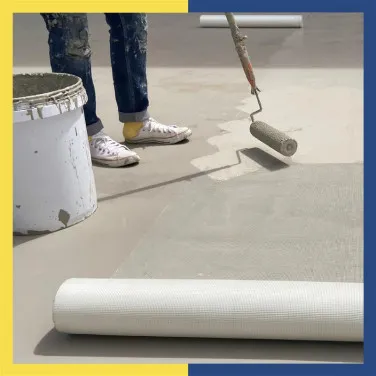
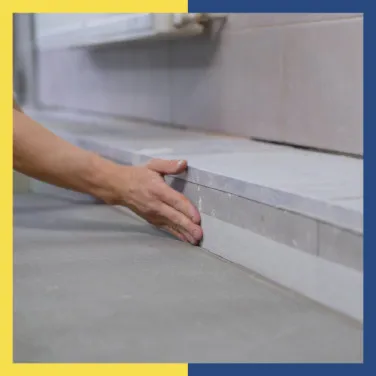
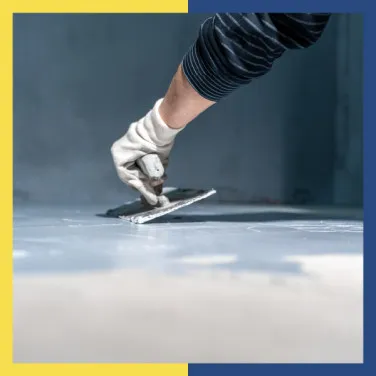
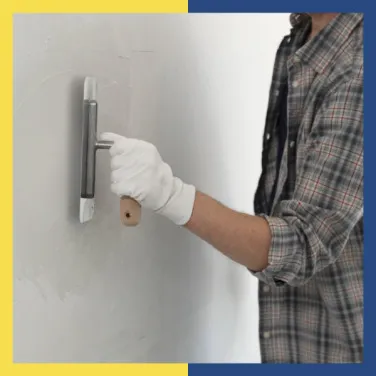
The process of waterproofing usually starts with inspection and moisture diagnosis, followed by surface preparation and crack repairs. Experts then apply primers and chosen waterproofing solutions in prescribed layers, allow proper curing, and finish with protective coats so the system performs as designed.
Get Professional Waterproofing Solutions Today
Fill The Form below to took free site evaluation by Dr. fixit point safe painting service expert


Renovation
Questions you should ask a society manager about building repairs before buying an apartment










Renovation
Protect your living space: Difference between a weatherproof and waterproof house


Renovation
How to safeguard your home with waterproofing during the rainy season in India





Renovation
The Ultimate Guide to Monsoon Terrace Waterproofing: Protecting Your Home from Water Damage



Get Professional Waterproofing Solutions Today
Fill The Form below to took free site evaluation by Dr. fixit point safe painting service expert
