
How to Fix a Leaking Wall From Rain Water | Dr. Fixit
How to Fix a Leaking Wall From Rain Water
Monsoon moisture can seep into homes through vulnerable areas like exterior walls, terraces, bathrooms, and joints. This leads to dampness, mould growth, and structural damage. Proper waterproofing before the rains helps block moisture, protect walls, and maintain your home’s durability and appearance.



Table of Contents
- Understanding the impact of the monsoon on walls
- Areas most prone to seepage and leakage during the monsoon
- Role of waterproofing in defending against water seepage
- Being prepared with emergency solutions in case of sudden seepage
- Get expert waterproofing solutions for your home
- Frequently asked questions (FAQs)
Ah, now who doesn’t love a splash of the quick shower after the parched months of April and May! What a relief to see everything bloom and be clean and green again. But your home might not echo the same sentiment. If you have not waterproofed your home, water leaking from the wall during rain can be seen inside, and it’s not a pretty sight. Damp rooms, mould and fungus can make you seriously sick.
The importance of good waterproofing, therefore, cannot be overstated. As the monsoon approaches, it's important to identify the areas most vulnerable to wall leakage and seepage so you can waterproof them and protect your home.
Let’s explore the areas most prone to water leaks in your house during the monsoon.
Understanding the impact of the monsoon on walls

Before looking at these specific areas, let’s understand why monsoon conditions affect walls and structures.
During the monsoon, buildings are exposed to continuous rainfall, high humidity, and fluctuating temperatures. Exterior surfaces, roofs, and structural joints absorb moisture over time, especially if cracks or gaps are present. This trapped moisture slowly travels through porous materials such as concrete and plaster, often leading to wall leakage.
Water leaks in your house can cause damp patches, peeling paint, and fungal growth on interior walls. In severe cases, persistent water penetration can weaken plaster and damage the structure.
Areas most prone to seepage and leakage during the monsoon

There are four broad areas that need the most attention when it comes to waterproofing -
- The exterior walls of a building
As buildings age or are constantly exposed to harsh sun and temperature, the exterior surfaces start to show loose plaster and cracks in the walls. During the monsoon, water can seep into cracks, leaving you with patchy, ugly walls and a weak structure.
Try Dr. Fixit Raincoat, which is primarily used to waterproof parapets, outer walls, chhajjas, and internal and external plastered surfaces.
- Terrace, slabs, or sloping roofs
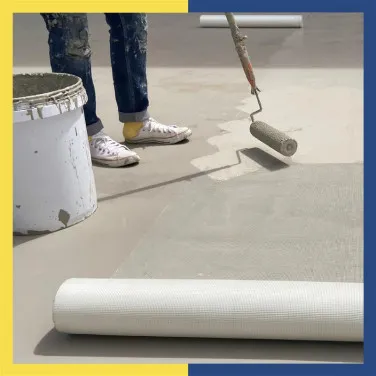
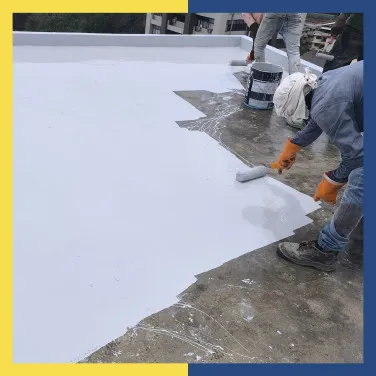
Age, atmospheric changes and harsh climates create deep troughs and cracks on terraces, joint slabs and slopes. Use good waterproofing solutions like Dr. Fixit Fastflex and Dr. Fixit Pidifin for terrace waterproofing, concrete, sand-cement mortars, basements, roof waterproofing, screeds, water-retaining structures, sunken slabs, water tanks, and sump tanks.
This must be done pre-monsoons.
- Toilets, bath, or sink slabs
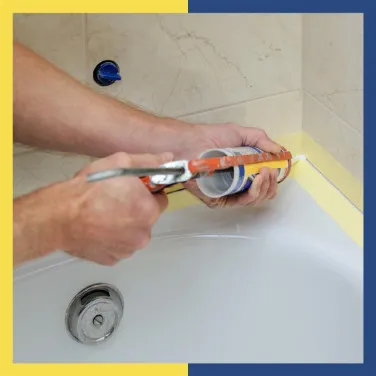
Water could leak from your adjacent toilet and bath, too, and often it manifests as ugly peeling paint and damp walls. For toilet, bath and sink slab leakage, use Dr. Fixit Bathseal Kit.
It can prevent water leakage when used as a waterproof coating for concrete water tanks, sunken slabs of bathrooms and toilets, basements, lift wells, inspection pits and underground structures.
- Expansion joints
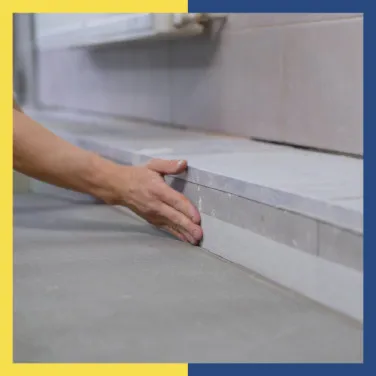
Also, pay attention to expansion joints that get affected during the monsoons. Make sure you waterproof them as well for a home that’s healthy and monsoon-ready.
Role of waterproofing in defending against water seepage

Now that you know the vulnerable areas, the next question homeowners often ask is how to stop rainwater leakage from the wall during heavy monsoon showers.
Let’s look at how effective waterproofing is in defending your home against wall leakage during the monsoon.
- Blocking moisture infiltration
A good waterproofing system creates a protective barrier between exterior and interior surfaces. It stops moisture from penetrating walls and reduces the risk of wall leakage.
- Reducing mold and mildew growth
Damp environments encourage mold and fungal growth. By keeping walls dry, waterproofing reduces the chances of these health-hazardous organisms developing inside your home.
- Extending wall lifespan
Waterproofed walls remain structurally stronger and more durable. This protection helps maintain both the interior and exterior surfaces of your home for many years.
- Preserving aesthetic appeal
Cracked paint, damp patches, and dark stains can make a home look neglected. Waterproofing helps maintain clean, smooth walls free from visible moisture damage.
- Preventing structural damage
When rainwater enters cracks or porous surfaces, it can weaken plaster and concrete over time. Waterproofing helps seal these surfaces and prevent damage from prolonged exposure to moisture.
- Enhancing property value
Homes that are well protected against moisture damage tend to retain higher property value because buyers recognise the long-term structural benefits.
Being prepared with emergency solutions in case of sudden seepage

Even with preventive measures, heavy rainfall or unexpected structural issues may sometimes cause sudden seepage. In such cases, following quick action can help reduce damage:
- Temporary water diversion tactics
If you notice water leaking from the wall during rain, try diverting the water away from vulnerable areas. Clearing terrace outlets or adjusting drainage flow can prevent water from accumulating and entering the structure.
- Interior water management
Inspect your home for possible internal causes of moisture. Broken pipes, cracks in walls, clogged drains, or poorly sealed joints can all contribute to wall leakage. Addressing these issues quickly helps limit further damage.
- Protecting interiors temporarily
Move furniture or electrical items away from damp areas and wipe excess moisture from walls. Temporarily sealing visible cracks can also help control moisture spread until proper repairs are carried out.
Get expert waterproofing solutions for your home

The monsoon can easily expose weak points in your home, leading to wall leakage if surfaces are not properly protected. Identifying vulnerable areas early and waterproofing them before the rains can help keep your home dry, safe, and structurally strong.
Ready to protect your home from water damage? Connect with the experts at Dr. Fixit, who will professionally assess your home and recommend the right waterproofing solutions. Reach out today and let our specialists help safeguard your home before the next heavy rainfall.
Frequently asked questions (FAQs)
FAQ#1 – What are common areas for water seepage?
Common areas include exterior walls, terraces and roofs, bathrooms, basements, expansion joints, and plumbing points where water exposure is frequent.
FAQ#2 – What is the difference between a leak and a seepage?
A leak usually refers to visible water entering through a crack, pipe, or opening. On the other hand, seepage occurs gradually as moisture penetrates porous materials like concrete or plaster.
FAQ#3 – What is the biggest contributor to water leaks inside a house?
Poor waterproofing, structural cracks, clogged terrace drains, and ageing building materials are among the biggest causes of water leaks in your house.
FAQ#4 – How do I find out where my moisture is coming from?
Look for visible signs such as damp patches, peeling paint, mold growth, or stains on ceilings and walls. Inspect terraces, exterior walls, plumbing areas, and joints to identify the source of moisture.
Get Professional Waterproofing Solutions Today
Fill The Form below to took free site evaluation by Dr. fixit point safe painting service expert









Renovation
Protect your living space: Difference between a weatherproof and waterproof house


Renovation
How to safeguard your home with waterproofing during the rainy season in India



Renovation
The Ultimate Guide to Monsoon Terrace Waterproofing: Protecting Your Home from Water Damage


Get Professional Waterproofing Solutions Today
Fill The Form below to took free site evaluation by Dr. fixit point safe painting service expert
