
House Waterproofing Guide for Old Roofs and Terraces
House Waterproofing Guide for Old Roofs and Terraces
Waterproofing is essential for old and ancestral homes, especially to prevent leakage, dampness, fungus, and long-term structural damage. Key problem areas include roofs, terraces, external walls, basements, bathrooms, water tanks, and drainage systems. Seeking expert waterproofing guidance and treatments is a must for the health and long-term durability of old structures.



Table of Contents
- Why is old building waterproofing important?
- Common signs of waterproofing failure
- What happens if you ignore waterproofing issues?
- Key areas requiring waterproofing
- Common waterproofing issues in old houses
- General measures before waterproofing
- Old building waterproofing methods explained
- Suitable types of waterproofing techniques for ancestral homes
- Selecting the right materials for heritage conservation
- Signs your old roof needs waterproofing
- Factors to consider when choosing a waterproofing method
- Types of waterproofing for old roofs
- Cost considerations and savings in waterproofing renovations
- Maintaining waterproofing effectiveness
- How Dr. Fixit can help with old house waterproofing
- Frequently asked questions (FAQs)
Old houses need regular care to stay strong and protected. Over time, roofs, terraces, walls, and water tanks begin to absorb moisture. This often leads to leakage, damp patches, and surface damage. One of the most critical aspects of old house renovation is ensuring proper waterproofing. It prevents water entry and protects important areas of the structure. With the best waterproofing chemical for terraces and other building surfaces, you can improve the durability of your ancestral property and protect it from long-term water damage.
This guide will help homeowners understand essential waterproofing measures to protect their heritage homes while maintaining their traditional appeal.
Why is old building waterproofing important?

As buildings age, surfaces slowly become weak and porous. Continuous exposure to rainwater and heat can create small cracks in terraces, walls, and ceilings.
This is where the waterproofing of old buildings becomes important. It helps:
- Prevent water leakage from roofs and terraces
- Protect walls from moisture damage
- Reduce damp patches and fungus growth
- Improve the condition of ageing concrete surfaces
- Support the long-term strength of the structure
Waterproofing also helps reduce the need for repeated maintenance work. Instead of repeatedly repairing visible damage, you can protect the source area before the problem spreads further. For example, old terrace waterproofing helps prevent water from entering through cracks, joints, and weak terrace surfaces. It also helps reduce ceiling leakage, damp patches on upper-floor walls, and water stagnation on exposed terraces. Timely roof waterproofing helps protect surfaces and helps maintain the condition of old homes for longer.
Common signs of waterproofing failure

Many old houses show early signs of moisture damage. Identifying them on time can help you plan the best waterproofing chemical for terraces, roofs, and walls.
Look for these common signs:
- Damp patches on walls or ceilings
- Peeling paint or bubbling surfaces
- Water marks near the roof corners
- Cracks in the terrace or parapet walls
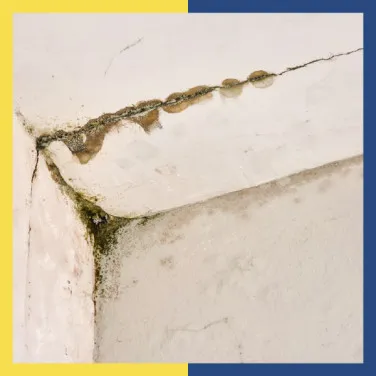
- Fungus or black spots on walls
- Moisture smell in the lower floors
- Leakage near kitchen or bathroom areas
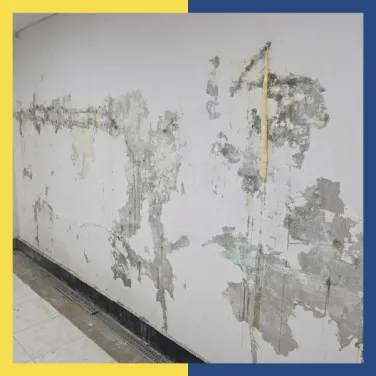
- Loose or hollow plaster surfaces
If you notice these signs, using an old building water-leakage solution followed by proper waterproofing can help protect the affected area and prevent further surface damage.
What happens if you ignore waterproofing issues?
Small leakage problems can slowly affect larger areas of the building. Moisture may spread inside walls, ceilings, and roof slabs over time. Without a proper old building water leakage solution and waterproofing:
- Plaster may start falling
- Walls can become weak
- Ceiling surfaces may develop stains
- Dampness may keep returning
- Repair work may become more frequent
- Indoor spaces may feel unhealthy due to fungal growth
Waterproofing solutions for old terraces, roofs, and walls protect the structure and support better maintenance of old homes.
Key areas requiring waterproofing
Certain areas in ancestral homes are more prone to water damage and need specific attention.
- Roof and terrace
Many older homes lack the correct slope for drainage, leading to water accumulation. Old terrace waterproofing involves cleaning debris, sealing cracks, and applying waterproof membranes.
- External walls
Coatings and protective membranes prevent rainwater seepage, particularly in homes with exposed brick or stone walls.
- Basement
Waterlogging is common in older homes. Proper drainage solutions and waterproofing treatments can prevent structural weakening.
- Splash-prone areas
Kitchens, bathrooms, and corridors require special attention due to frequent exposure to water. Pipe replacements and moisture-resistant coatings can help.
- Water tanks
Many old houses have cement water tanks instead of modern plastic ones. Over time, cracks and buildup of residue cause leakage, making waterproofing essential.
- Drainage systems
Poor drainage leads to water pooling. Installing French drains and ensuring proper water runoff prevents moisture damage.
Common waterproofing issues in old houses

Older homes have unique challenges that require specialised waterproofing approaches.
- Assess the level of dampness
Identifying moisture-affected areas helps determine the severity of the problem and the most effective treatment method.
- Removing dampness
Surface preparation is key. Scraping off mould, repairing cracks, and ensuring proper aeration before applying the old building water-leakage solution allows it to work more effectively and provide better protection against moisture problems.
- Preventing future moisture issues
Using breathable coatings and membranes ensures walls can expel trapped moisture while preventing further water penetration.
General measures before waterproofing
Understanding the foundational aspects of your home is crucial before applying waterproofing solutions.
- Trace the age of the property
Understanding the property's age helps assess the extent of deterioration and predict potential problem areas.
- Identify the type of construction
Older homes were built using traditional techniques that differ from modern structures. Recognising these methods ensures the selection of the best waterproofing chemical for terraces, roofs, and walls.
- Analyse the materials used
Most ancestral houses were built with stone, exposed brick, or cement. Choosing the right waterproofing materials that complement these original components is essential.
Old building waterproofing methods explained

Different surfaces need different waterproofing solutions. The correct method depends on the building’s condition and the location of the leakage. Here are the common stages involved in waterproofing solutions for old terraces, roofs, and walls:
- Surface preparation
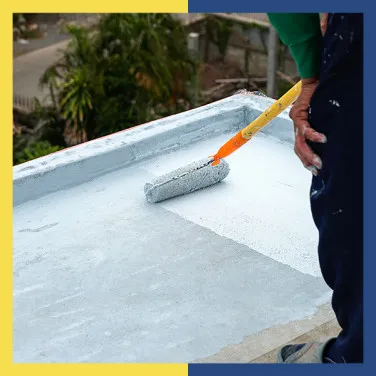
The surface is cleaned properly before treatment begins. Loose plaster, dirt, fungus, and old coatings are removed to improve the application of old roof waterproofing.
- Crack repair
Visible cracks and small gaps are treated first. This helps reduce water entry from weak areas.
- Waterproof coating application
After repairs, waterproof coatings are applied across the surface. These coatings help create a protective barrier against moisture. For terraces and exposed areas, waterproof exterior coating solutions are used to improve surface protection.
- Drying and curing
The treated surface is left undisturbed for proper drying. This improves the bonding strength of the waterproof layer.
- Protective surface treatment
Exposed roofs and terraces may require an additional protective layer to improve resistance to rainwater and heat.
Choosing the right waterproofing method helps improve surface protection and supports long-term building care.
Suitable types of waterproofing techniques for ancestral homes
Different waterproofing techniques can be applied depending on the structure and materials used.
- Exterior waterproofing
Protective coatings and membranes on walls and terraces help prevent water penetration without damaging the house’s aesthetics.
- Interior sealants and coatings
Waterproof paints and coatings prevent seepage and preserve the visual appeal of interior walls.
- Drainage solutions
Ensuring effective water drainage through trenches, cow catchers, and proper sloping prevents waterlogging.
- Roof waterproofing
Applying advanced solutions for old roof waterproofing, such as polyurethane or bituminous coatings, helps ensure the longevity of traditional tiled or sloped roofs.
Selecting the right materials for heritage conservation
Choosing the right waterproofing materials is essential to preserving the home's historical value.
- Material compatibility
Modern waterproofing solutions can sometimes be incompatible with older materials. Choosing breathable sealants ensures walls retain their original texture while staying moisture-free.
- Cement-based solutions
For ancestral homes with cement construction, waterproofing solutions that integrate with the existing structure provide long-term effectiveness.
Signs your old roof needs waterproofing

Roofs and terraces are constantly exposed to water and sunlight. Over time, this can affect the surface condition and allow moisture to enter.
You may need old roof waterproofing if you notice:
- Water leakage during rainfall
- Dampness in top-floor rooms
- Water ponding on the terrace
- Ceiling stains or peeling paint
- Cracks on the roof surfaces
- Fungus growth near corners
- Surface damage after heavy rain
Timely waterproofing helps protect the slab and keeps indoor spaces dry and comfortable.
Factors to consider when choosing a waterproofing method
Choosing the right as well as the best waterproofing chemical for terraces depends on several factors:
- Building condition
Older structures may already have cracks, moisture damage, or weak plaster areas. The waterproofing method should suit the condition of the surface.
- Type of surface
Different areas need different solutions. Roofs, external walls, bathrooms, and water tanks may require separate waterproofing treatments.
- Local weather conditions
Heavy rainfall and continuous heat exposure can affect surface performance. Waterproofing systems should match local climate conditions.
- Maintenance requirements
Low-maintenance waterproofing solutions for old terraces and walls can help reduce the need for repeated repairs and improve surface protection.
- Long-term value
Good waterproofing supports better building care and helps maintain the overall condition of the property over time.
Types of waterproofing for old roofs

Different roof conditions require different waterproofing solutions. The right old roof waterproofing method depends on the roof surface and the level of moisture exposure.
- Waterproof coating systems
Protective waterproof coatings help reduce water absorption and improve roof protection.
- Liquid waterproofing treatment
Liquid-applied waterproofing solutions for old terraces help create a smooth protective layer across roof surfaces and joints.
- Cement-based waterproofing
These waterproofing treatments are commonly used for concrete roof surfaces and terraces.
- Flexible waterproofing solutions
Flexible coatings help cover minor surface cracks and support better moisture resistance in exposed roof areas.
- Terrace waterproofing solutions
Old terrace waterproofing treatments help reduce water ponding and protect the slab from continuous moisture exposure.
Proper roof waterproofing helps maintain the condition of old roofs and supports better protection against leakage.
Cost considerations and savings in waterproofing renovations
Waterproofing can be costly, but strategic planning and proper inspection help optimise expenses.
- Prioritising key areas
Focus on essential spaces such as the roof, basement, and external walls first to prevent the most severe damage.
- Avoiding incompatible materials
Using incorrect materials can cause further deterioration, leading to expensive repairs later. Engaging professionals for proper material selection is cost-effective in the long run.
- Smart waterproofing solutions
Some materials and techniques offer durability at a lower cost. Consulting waterproofing experts helps in selecting budget-friendly, high-quality solutions.
- Proper inspection and planning
Inspecting the location, soil, construction materials, and more can ensure better waterproofing and renovation. Additionally, identifying weak spots early and using appropriate techniques can prevent costly mistakes and save money in the long run.
Maintaining waterproofing effectiveness

Waterproofing requires regular maintenance to ensure its long-term effectiveness.
- Routine inspections
Regularly checking for leaks, cracks, or damp spots helps detect early signs of moisture infiltration.
- Post-curing tests
Creating a temporary water-filled well adjacent to waterproofed walls can help test whether moisture is still being absorbed. If dampness appears, the application needs to be corrected.
- Seasonal checks
Especially before the monsoon season, conducting waterproofing inspections ensures durability.
- Surface cleaning and debris removal
Keeping terraces and drainage areas free from dirt, leaves, and debris prevents clogging and water stagnation.
- Reapplying coatings when necessary
Waterproofing coatings wear out over time. Reapplying them at recommended intervals maintains their effectiveness.
How Dr. Fixit can help with old house waterproofing
Renovating an ancestral home requires a balance between preservation and modernisation. With proper planning, the use of compatible materials, and expert guidance, old house renovation can be both successful and cost-effective. Whether it’s old terrace waterproofing, basement treatment, or external wall sealing, taking proactive measures ensures these timeless homes remain strong for generations to come.
And for all queries and solutions related to water damage and waterproofing, Dr. Fixit is your one-stop shop. Fill out the form given below to reach out to our experts.
Frequently asked questions (FAQs)
Why do old buildings face leakage and dampness?
Due to ageing and continuous exposure to the weather, old buildings develop cracks, weak plaster, and porous surfaces. Waterproofing helps prevent water entry, protects walls and roofs, and reduces long-term structural damage.
Can waterproofing be done without removing tiles or plaster?
In some cases, waterproofing can be done without removing tiles or plaster if the damage is minor and the surface condition is stable. However, a proper inspection is important for identifying the actual source of the leakage before selecting the treatment method.
How long does old building waterproofing last?
The effectiveness of waterproofing depends on factors such as surface condition, application quality, weather exposure, and maintenance. Regular inspections and timely maintenance help maintain better waterproofing performance over time.
How much does old building waterproofing cost?
The cost of waterproofing an old building depends on the affected area, the extent of damage, the required repairs, and the selected waterproofing method. Investing in timely waterproofing helps reduce repeated repair expenses and protects the structure in the long run.
Is waterproofing necessary for very old buildings (15+ years)?
Yes, waterproofing becomes even more important for buildings older than 15 years because ageing surfaces are more vulnerable to cracks, dampness, and water seepage. Timely waterproofing treatment helps maintain structural strength and improve the condition of the property
Get Professional Waterproofing Solutions Today
Fill The Form below to took free site evaluation by Dr. fixit point safe painting service expert


Renovation
Questions you should ask a society manager about building repairs before buying an apartment











Renovation
Protect your living space: Difference between a weatherproof and waterproof house


Renovation
How to safeguard your home with waterproofing during the rainy season in India





Get Professional Waterproofing Solutions Today
Fill The Form below to took free site evaluation by Dr. fixit point safe painting service expert
