
Stop Mold from Water Leak in Wall Before It Spreads
No more mould: Quick tips to deal with wall dampness
Mould often signals hidden water leakage. Read Anish’s story: a musty whiff, a damp wall — Dr. Fixit traced the leak, used waterproofing solutions, dried the wall, and the mould never returned.



When Anish moved into his new apartment, a faint musty smell felt easy to ignore. Weeks later, the odour grew stronger and a dark patch appeared behind his bookshelf.
After shifting the furniture, Anish found black and green mould on a damp section of plaster. A contractor confirmed slow water leakage through wall tiles in the adjoining bathroom as the main cause. It showed how hidden dampness from a small seepage can damage a home long before stains appear.
By understanding mould and acting early with the right water leakage solution and waterproofing solutions, homeowners can protect both health and interiors.

What is mould and what causes it in households?
In Anish’s case, mould did not appear overnight. Moisture slowly built up inside the wall because of unnoticed water leakage. Once the surface stayed damp, microscopic spores settled there and started to grow.
Mould is a type of fungus that thrives in moist, poorly ventilated corners of the house. It can grow on walls, ceilings, furniture, carpets, and behind cupboards where wall leakage or hidden dampness keeps the surface wet.
Common causes of mould growth include –
- Water leakage and seepage from bathrooms, overhead tanks, terraces, and plumbing lines
- Cracks in external walls or roofs that let rainwater soak the masonry, often leading to water leakage from wall junctions
- Condensation and high humidity from cooking, bathing, or drying clothes indoors
- Damp patches repainted without proper waterproofing solutions, leaving moisture trapped inside the wall
When such sources of water leakage are left unresolved, mould usually follows.

Issues caused by mould growth
At first, Anish only worried about how the mould patch looked. Soon after, he developed a mild cough, and guests mentioned the stale smell in the living room. His story shows that the growth of a water leak mould can cause more than just ugly stains.
Key issues linked to mould include –
- Health concerns
Mould spores may trigger allergies, breathing difficulties, and irritation of the eyes or throat. - Damage to finishes and furniture
Paint can peel, plaster may weaken, and wooden furniture near damp walls can swell because of continuing water leakage. - Hidden structural problems
Long-term dampness due to mould from water leaks in wall sections can slowly weaken masonry.
If left unattended, black mould from water leak areas may spread behind cupboards or into neighbouring rooms, increasing health risks and repair costs.

How to solve the issue
Once Anish realised there was mould behind the bookshelf, he avoided quick fixes like scrubbing or repainting. Instead, he contacted experts to understand what was happening inside the wall and to plan a long-term water leakage solution.
Professionals typically –
- Inspect and identify the source
A trained expert checks for water leakage, seepage, and cracks in nearby areas such as bathrooms, balconies, tanks, or external walls. - Contain and clean the affected area
Visible mould is removed, and badly damaged plaster or carpentry is taken out so spores do not spread further from the original water leak mould. - Fix the root cause of water leakage
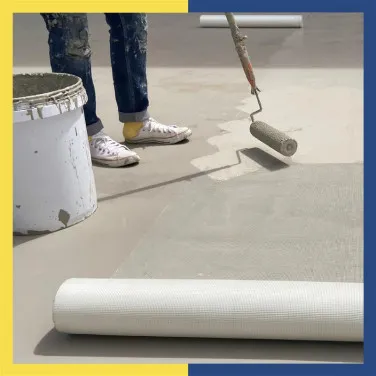
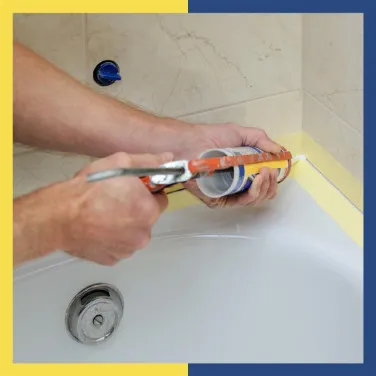
Cracks are treated, faulty plumbing is repaired, and weak points in earlier waterproofing solutions are addressed so the wall can dry out. - Apply suitable waterproofing solutions
Depending on the area, experts recommend waterproofing solutions for terraces, external walls, internal wet areas, or concealed leak-prone zones. - Improve ventilation and maintenance habits
Furniture is kept slightly away from damp-prone walls, and airflow is improved so water leakage from wall surfaces is noticed early.
By acting in time, Anish removed the visible mould patch and reduced the chances of future damage from repeated water leakage.

Why choose Dr. Fixit for water leakage solutions and to prevent mould growth?
When Anish looked for help, he did not want a temporary repair. He needed specialists who could understand the dampness pattern and offer a dependable water leakage solution. That is where Dr. Fixit played an important role.
Choosing Dr. Fixit for water leakage and mould-related issues helps because –
- Expert diagnosis
Trained applicators examine the home, not just the visible patch, to trace the true source of water leakage. - Area-specific systems
From terraces and external walls to bathrooms and tanks, Dr. Fixit offers water leakage solution options tailored to different parts of a building. - Designed for Indian conditions
Systems are formulated for heavy monsoons and common practices that often lead to water leakage from wall surfaces. - Focus on long-term prevention
Instead of patchwork, the aim is to stop water leakage, prevent dampness from returning, and reduce the chances of mould coming back.
For Anish, this meant clear diagnosis, area-wise treatment, and simple upkeep guidance. With waterproofing solutions matched to each surface and a durable water leakage solution at the source, the wall dried out and the musty odour faded. The result: healthier air, protected finishes, and confidence that mould won’t return.

To wrap it up
Anish’s experience shows how a faint odour and a small damp patch can signal a deeper problem. Mould on the surface often points to ongoing water leakage behind it, which needs expert attention rather than quick cover-ups.
With timely inspection, the right water leakage solution, and regular maintenance, it is possible to keep homes fresh, dry, and healthy.
If you notice early signs of dampness, water leakage from wall corners, or mould at home, fill out the enquiry form below and let Dr. Fixit experts guide you towards the most suitable waterproofing solutions.
Frequently asked questions (FAQs)
Can mould grow after a leak is fixed?
Yes. If materials remain damp, mould can continue spreading even after water leakage is repaired. Dry everything thoroughly within 24–48 hours, remove contaminated porous items, keep humidity below 60%, and monitor for odour or staining. Consider expert inspection and preventive waterproofing solutions to stop recurrence.
How to test for mould after water damage?
Start with visual checks for discolouration and musty odour. Inspect hidden spots behind skirting, cabinets, and wardrobes. Professionals use moisture meters, infrared scans, and surface sampling. DIY air kits are unreliable. Best results: expert assessment plus a targeted water leakage solution to address the source.
How fast does mould grow after a water leak?
Mould can begin within 24–48 hours if surfaces stay damp. Colonies may expand over days and remain hidden inside walls for weeks. Act fast: stop water leakage, dry thoroughly, discard items soaked beyond 48 hours, and implement durable waterproofing solutions to prevent regrowth.
Get Professional Waterproofing Solutions Today
Fill The Form below to took free site evaluation by Dr. fixit point safe painting service expert









Renovation
Protect your living space: Difference between a weatherproof and waterproof house


Renovation
How to safeguard your home with waterproofing during the rainy season in India



Renovation
The Ultimate Guide to Monsoon Terrace Waterproofing: Protecting Your Home from Water Damage


Get Professional Waterproofing Solutions Today
Fill The Form below to took free site evaluation by Dr. fixit point safe painting service expert
