
Easy Concrete Slab Water Leakage Solutions with Dr. Fixit Waterproofing
Waterproofing method for concrete slab | Dr. Fixit
Effective waterproofing methods for concrete slabs include applying protective coatings, using liquid sealants, and adding chemicals to the concrete mix to prevent water leaks and damage.



Table of Contents
Concrete is inherently porous and can easily absorb moisture, leading to cracks, erosion, and structural damage over time. In a country with unpredictable weather conditions, employing robust integral waterproofing techniques along with choosing the right waterproofing chemicals guarantees that the concrete surfaces remain resilient and durable.
By comprehending and enforcing these practical methods, homeowners can significantly enhance the longevity of their structures while minimising costly repairs and maintenance in the future.

Why do concrete slabs need waterproofing?
Concrete slabs need waterproofing for several necessary reasons, particularly in the context of Indian construction and climate –
1. Porosity of concrete
Concrete can absorb moisture easily due to its intrinsically porous structure. This property makes it susceptible to water infiltration, leading to potential damage over time. Without concrete waterproofing, moisture can seep into the concrete, causing cracks and deterioration.
2. Protection against water damage
Water intrusion can lead to structural issues, including erosion and corrosion of embedded steel reinforcements. Concrete slab waterproofing creates a protective barrier that prevents water from penetrating the concrete, thus maintaining its integrity and longevity.
3. Preventing mould and mildew
Excess moisture can create an environment favourable to mould and mildew growth, damaging the structure and creating health risks for residents. Effective waterproofing solutions minimise moisture accumulation, reducing the likelihood of these issues.
4. Cost-effective maintenance
Concrete waterproofing can save homeowners substantial costs in the long run. Preventing water damage early on reduces the need for frequent repairs and maintenance.
5. Enhanced property value
Concrete slab waterproofing contributes to the overall value of a property. Prospective buyers are more likely to be attracted to homes with effective waterproofing solutions, knowing they won't face issues related to water damage.
6. Adaptation to local climate
In India, where heavy monsoons and high humidity are typical, roof slab waterproofing is essential for protecting concrete structures from the adverse effects of weather conditions. It ensures that homes remain safe and dry, enhancing comfort for residents.
Waterproofing concrete slabs is a crucial step in construction that protects against moisture-related damage, enhances durability, and ultimately contributes to the long-term value of a property through effective waterproofing chemicals and methods.

Types of waterproofing methods for concrete slabs
Effective slab waterproofing methods are necessary to protect structures from moisture damage. Here are some traditional concrete waterproofing methods used –
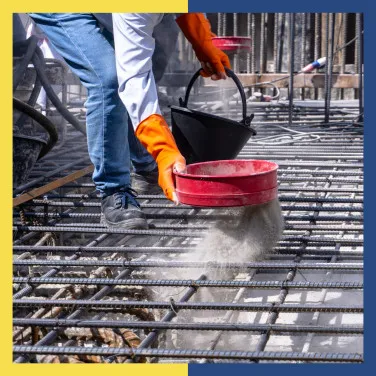
1. Cementitious waterproofing
The technique involves mixing cement with specialised waterproofing chemicals to create a durable coating applied to the concrete surface.
It forms a robust barrier against water infiltration and is commonly used in areas like bathrooms, kitchens, and basements due to its excellent adhesion and durability. This approach is an effective form of concrete waterproofing.
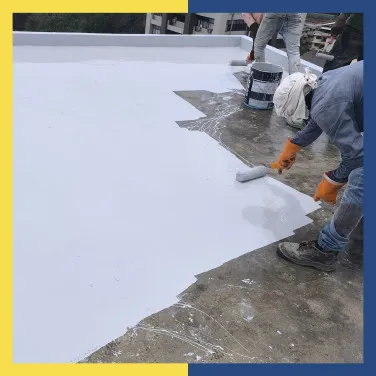
2. Waterproofing liquid applied membranes
These thin layers provide a robust deterrent against water and are particularly useful for outdoor surfaces like driveways and balconies.
Their installation creates a continuous waterproof layer that prevents moisture ingress, making them a popular choice for roof slab waterproofing.
3. Bituminous coating
Bituminous coating involves spreading a thick layer of bituminous material on the concrete slab surface. It acts as a waterproof barrier in foundations and terraces requiring high water resistance. This procedure is part of effective concrete slab waterproofing strategies.
4. Polymer-modified layer waterproofing
This economical approach combines polymers with cement to enhance waterproofing properties. The layers are applied in 2-4 coats over the prepared surface, often reinforced with fibreglass cloth for added flexibility and effectiveness.

Step-by-step guide to roof slab waterproofing
Waterproofing roof slabs is crucial for defending buildings from water damage and should only be done by a contractor or certified professional. Here’s a comprehensive step-by-step guide to carrying out effective slab waterproofing –
- Clean the surface and repair the cracks
- Choose the right waterproofing chemical
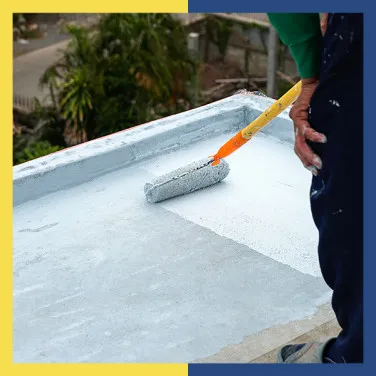
- Using a brush or roller, apply the first coat
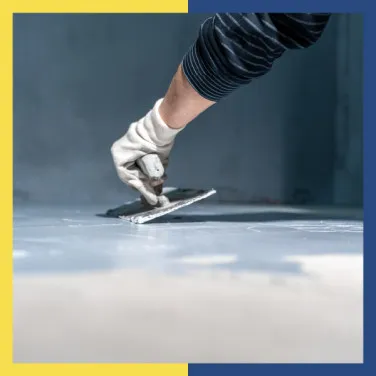
- Apply a second coat of the waterproofing compound
- Add final touches with brush topping
- Lay the screed concrete
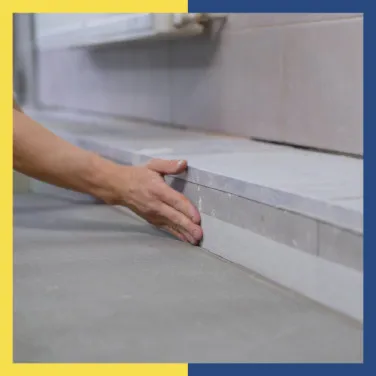
- Fillet at the parapet walls

Factors to consider when choosing a waterproofing solution
While determining a waterproofing solution, especially for slab waterproofing and concrete waterproofing, consider the following key factors –
- Geographic conditions
Assess local climate and rainfall patterns for the best waterproofing material.
- Structural design
Ensure compatibility with the building's design, particularly for concrete roof waterproofing and roof slab waterproofing applications.
- Lifespan expectations
Choose products that align with the expected lifespan of the structure, such as durable cement waterproofing options.
- Area of application
Differentiate between above-grade and below-grade needs, as this affects the choice of waterproofing solutions.
- Material compatibility
Confirm that the selected waterproofing chemical works well with other construction materials to prevent issues.
- Installation ease
Consider the ease of application of the chosen concrete slab waterproofing method before proceeding.
- Cost considerations
Evaluate the initial and long-term maintenance expenses of different waterproofing methods.

Why choose Dr. Fixit waterproofing for concrete slabs
Dr. Fixit offers a range of waterproofing solutions specifically designed for concrete slabs, making it an ideal choice for homeowners. Here are several captivating reasons to choose Dr. Fixit for your waterproofing needs –
1. Enhanced durability
Dr. Fixit products enhance the longevity of concrete slabs by containing water infiltration, which can lead to cracks and structural damage over time. Their solutions are designed to withstand harsh weather conditions, ensuring lasting protection.
2. Superior flexibility
The polyurethane waterproofing treatment from Dr. Fixit boasts exceptional crack-bridging properties and flexibility, allowing it to accommodate thermal movements without compromising the integrity of the waterproofing layer.
3. Corrosion protection
Waterproofing products from Dr. Fixit enhance the cohesiveness of concrete and deliver improved protection against corrosion for embedded steel reinforcements, which is crucial for maintaining the structural integrity of concrete slabs.
4. Energy efficiency
Dr. Fixit's Low Energy Consumption (LEC) systems offer waterproofing while minimising heat gain through concrete slabs by over 90%, hence contributing to energy savings on cooling costs.
5. Ease of application
Dr. Fixit waterproofing solutions are user-friendly and can be easily applied on various surfaces, including roofs and balconies, making them suitable for new constructions and renovations.
6. Versatile solutions
Dr. Fixit offers a range of waterproofing solutions tailored to different needs. Whether you are building your home or renovating it, the wide variety of products ensures all areas of the house are covered.
7. Certified safety
Many Dr. Fixit products are certified safe for potable water tanks, ensuring they are non-toxic and environmentally friendly.

Why Dr. Fixit?
Dr. Fixit waterproofing solutions ensure that your concrete slabs remain protected from water damage while improving their durability and performance in the long run.
As the structural strength of your residential and commercial properties depends on effective waterproofing solutions for your roofs, exterior and interior walls, basements, etc., it is advised to consult experts in the field. Fill out the form below to get in touch with an expert from Dr. Fixit.
FAQs
FAQ#1 – Is cement waterproofing done before plastering?
Yes, cement waterproofing should be done before plastering to ensure comprehensive protection against moisture and enhance the durability of the plastered surface.
FAQ#2 – How long does waterproofing last on a concrete roof?
Concrete roof waterproofing can vary, but it typically lasts 5 to 10 years with proper application and maintenance.
FAQ#3 – Can I waterproof my concrete slab myself?
Nope! Professional waterproofing services from certified companies/contractors are recommended to perform slab waterproofing using waterproofing solutions.
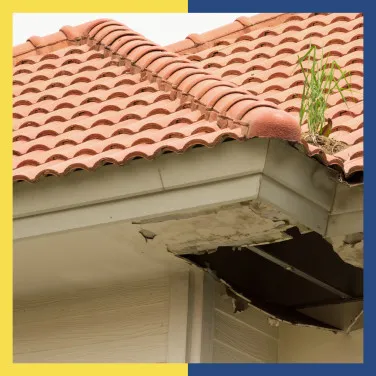
FAQ#4 – What are the signs of a poorly waterproofed slab?
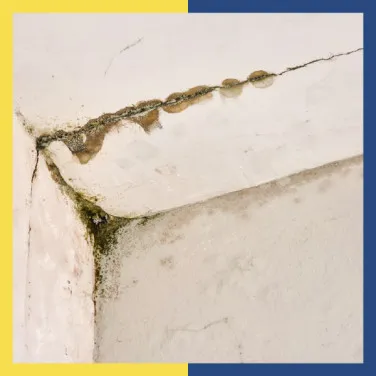
Signs include visible cracks, dampness or water stains on walls, peeling paint, and mould growth, indicating that moisture is penetrating the concrete slab waterproofing.
Get Professional Waterproofing Solutions Today
Fill The Form below to took free site evaluation by Dr. fixit point safe painting service expert


Renovation
Questions you should ask a society manager about building repairs before buying an apartment






Renovation
Protect your living space: Difference between a weatherproof and waterproof house


Renovation
How to safeguard your home with waterproofing during the rainy season in India






Get Professional Waterproofing Solutions Today
Fill The Form below to took free site evaluation by Dr. fixit point safe painting service expert
