
How to Prevent Rainwater Entering Your House | Dr. Fixit
How to Prevent Rainwater From Entering Your House
External wall waterproofing is essential to protect homes from rain-related damage, including seepage, cracks, paint deterioration, and structural weakening. Monsoon conditions can worsen these issues by allowing water to penetrate walls and cause long-term damage. Proper waterproofing, along with good drainage and maintenance, helps preserve structural integrity, prevent mould, and maintain indoor comfort.



Table of Contents
- How monsoon rains damage exterior walls
- What's the importance of protecting your house from rain?
- Common signs your exterior walls need waterproofing
- Effective external wall waterproofing solutions
- How to choose the right waterproofing method for your home
- DIY vs professional waterproofing: What should homeowners choose?
- Mistakes to avoid during exterior wall waterproofing
- Key considerations for successful external wall waterproofing
- Seasonal maintenance tips for rain-resistant walls
- The role of Dr. Fixit products in protecting your walls
- FAQs
Your house endures more than you realise. It protects you from several elements, such as constant exposure to heat, weather conditions, water infiltration, groundwater penetration, and rain.
Amidst this, rain is one of the major causes of damage. And one of the first surfaces to get damaged is the external wall. Which is why protecting the external wall is crucial. And since most damage occurs from water infiltration during rain, waterproofing becomes a key solution.
External wall waterproofing is a crucial protective measure that helps shield houses from water infiltration and moisture. Let's go into detail on how to protect the wall from rainwater.
How monsoon rains damage exterior walls

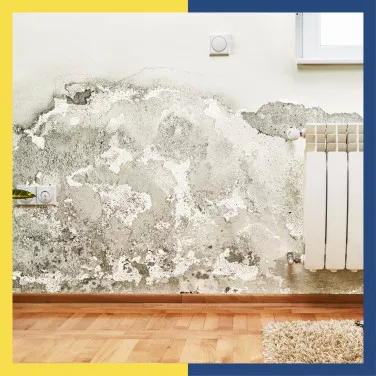
Monsoon rains can be particularly harsh on your home, especially on exterior walls that are constantly exposed. Without proper exterior wall waterproofing, rainwater can seep into tiny cracks and porous surfaces, causing long-term damage.
Here’s how monsoons impact your walls:
- Water seepage and absorption – Continuous rain allows water to penetrate walls, especially if they are unprotected
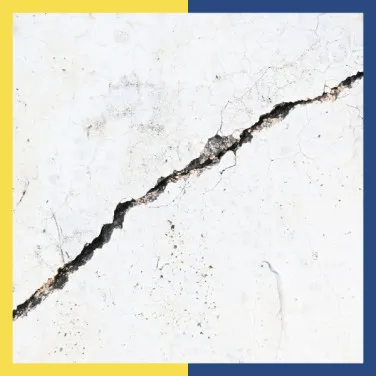
- Crack formation – Repeated wetting and drying cycles cause expansion and contraction, leading to cracks
- Paint damage – Moisture weakens paint adhesion, causing peeling, flaking, and discolouration
- Structural weakening – Over time, trapped moisture can reduce the strength of construction materials
- Efflorescence – White salt deposits may appear on walls due to water movement through masonry
This is why investing in exterior wall protection from rain before the monsoon season is essential to maintain both durability and appearance.
What's the importance of protecting your house from rain?

While rain can be soothing and calming to you, it may be silently causing harm to your house. Here's why protecting your house from rain is important -
- Preserving structural integrity - Protecting your house from rain helps prevent water from seeping into the structure and building materials, which can weaken walls, ceilings, and the foundation over time.
- Preventing water damage - Rainwater infiltration can lead to costly damage, including seepage, leaks, peeling paint, deteriorating materials, and more, affecting both the exterior and interior of your home.
- Avoiding mould and mildew - Excessive moisture from rain can encourage mould and mildew growth, which not only damages surfaces but can also lead to health risks.
- Maintaining indoor comfort - Keeping the rain out ensures a dry and comfortable living environment, preventing dampness and musty odours that can result from water intrusion.
- Protecting belongings - Rainwater entering your home can damage furniture, electronics, and other belongings, necessitating exterior wall waterproofing.
- Preventing pest infestation - Standing water and damp areas caused by rain can attract pests such as mosquitoes, termites, and rodents, which can be harmful to residents.
These issues can be nipped in the bud if exterior wall protection is prioritised. From rain to snow to heat and more, the external wall is the first to take the hit. Hence, waterproofing the external wall keeps the water away from the get-go and minimises damage.
Common signs your exterior walls need waterproofing

It’s important to identify early warning signs so you can take action before the damage worsens. Here are some common indicators that your home may need exterior wall waterproofing:
- Damp patches or water stains on interior or exterior walls
- Peeling or bubbling paint, especially after rains
- Visible cracks on the outer wall surface
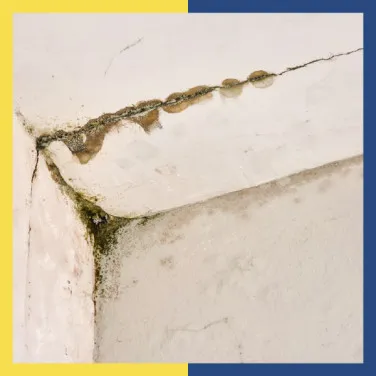
- Mold or mildew growth in corners or damp areas
- Musty odours indoors, indicating moisture intrusion
- Chalking or powdery wall surfaces
Effective external wall waterproofing solutions

Once you have decided to invest in the protection of your exterior walls from rain, water-related damages, and more, how do you protect outside walls from rain? You can refer to these strategies for long-lasting results -
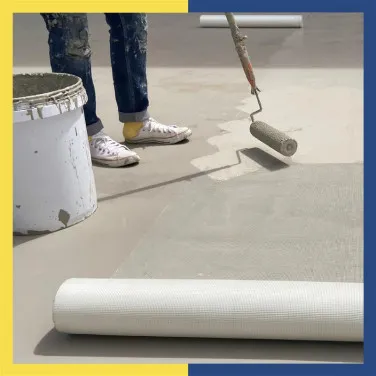
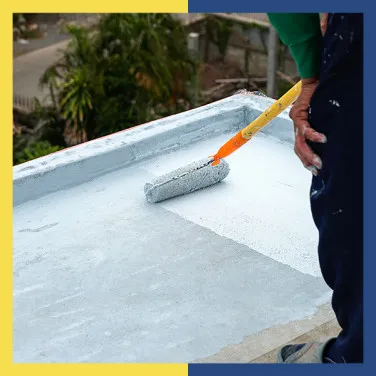
- Exterior wall coatings - Waterproof wall coatings are one of the best methods to protect your house from rain and water infiltration. These coatings form a protective barrier against water penetration, keeping the house durable for years to come.
- Waterproofing before painting - Waterproofing external walls before painting is an important home maintenance step that many people miss. Paint alone does not provide sufficient protection for exterior walls and cannot withstand harsh elements. Waterproofing before painting protects the walls and the paint, preserving the aesthetic appeal of your home.
- Proper drainage - Ensure proper drainage around the house to divert rainwater away from the walls. This can be achieved by installing gutters and downspouts, and by sloping the ground away from the foundation.
How to choose the right waterproofing method for your home
There are several waterproofing solutions available on the market, making it necessary to choose carefully. The appropriate waterproofing solution and method will depend on the building materials, the amount of rainfall your area receives, the extent of damage, and other factors. It is best to consult a waterproofing expert to determine which method best suits your house.
DIY vs professional waterproofing: What should homeowners choose?

When it comes to protecting exterior walls from rain, the choice depends on the severity of the damage and how long you want the solution to last.
Choose DIY waterproofing if:
- The issue is limited to minor cracks or small areas, which can be addressed with the best waterproof primer for exterior walls
- You need a quick, budget-friendly fix
- The wall is otherwise in good condition
- You are comfortable handling surface preparation and application
However, you must consider professional waterproofing when:
- There are visible damp patches, seepage, or recurring leakage
- Walls are exposed to heavy or prolonged rainfall, which requires advanced solutions for durable exterior wall protection from rain
- You want a long-term, durable solution
- Proper diagnosis and complete treatment are required
For lasting results, professional waterproofing is often the more reliable choice. Using trusted solutions like Dr. Fixit products ensures better protection, durability, and peace of mind for your home.
Mistakes to avoid during exterior wall waterproofing
Even the best materials won’t deliver results if applied incorrectly. Avoid these common mistakes to ensure effective exterior wall waterproofing:
- Skipping surface preparation – Applying products on dirty or damp walls reduces effectiveness
- Ignoring cracks and joints – Unsealed gaps allow water to penetrate despite coatings
- Relying only on paint – Paint alone is not a substitute for waterproofing
- Using low-quality products – Poor materials may fail under harsh weather conditions
- Improper application timing – Waterproofing during rainy or highly humid conditions can affect curing
- Neglecting maintenance – Regular inspection is essential to sustain protection
By avoiding these mistakes and choosing the right approach, you can ensure strong, lasting rain protection for your home's exterior walls.
Key considerations for successful external wall waterproofing

Waterproofing can prove to be very useful in the rainy season, and here are some tips to ensure its effectiveness -
- Quality materials - Choose high-quality waterproofing products suited to your wall type.
- Proper surface preparation - Ensure the wall surface is clean, dry, and free of debris before applying waterproofing.
- Professional installation - Hire experienced professionals for accurate, effective waterproofing.
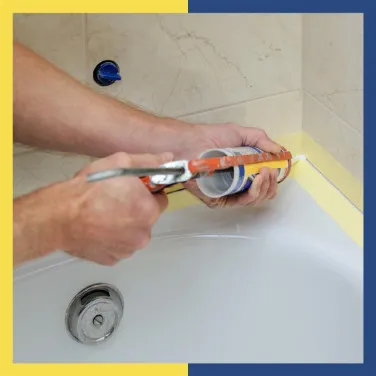
- Attention to detail - Seal all joints, cracks, and openings to prevent water infiltration and aid the waterproofing.
- Regular inspections - Periodically check for signs of damage, invest in routine maintenance, and address any issues promptly.
Seasonal maintenance tips for rain-resistant walls
Each season comes with its own maintenance requirements. However, monsoons usually call for the most caution. Here's how you can keep your home dry and maintained during the rains -
- Perform routine inspections and repair any issues promptly to preserve wall integrity and prevent water intrusion, especially before the rainy season
- Ensure your drainage systems are debris-free to prevent overflow and subsequent water damage to exterior walls
- Trim any vegetation near walls to discourage moisture buildup, reducing the risk of water penetration
- Ensure proper ventilation to reduce humidity levels indoors, aiding in the prevention of moisture-related issues during rainy seasons
- Check for signs of water damage, such as water stains or dampness, on walls and ceilings, and address any issues promptly
- Keep windows and doors properly sealed to prevent rainwater from entering the building and causing damage
The role of Dr. Fixit products in protecting your walls
Dr. Fixit offers a wide range of products with varying compositions and materials, curated to provide your home with the best protection. For example, the Dr. Fixit Raincoat range is formulated to provide robust protection for your exterior walls. It's composed of high-quality acrylic emulsion polymer, UV-resistant and weather-durable pigments, properly selected and graded fine fillers, additives and biocides that ensure perfect protection.
For information on the products available, external wall protection, or any other waterproofing queries, you can reach out to the experts at Dr. Fixit by filling out the form below.
FAQs
FAQ#1 - Do external walls need waterproofing?
Yes, exterior walls need waterproofing for protection against rain and moisture. Since they are constantly exposed to weather changes, exterior wall waterproofing creates a durable barrier that prevents water penetration. This prevents water seepage, cracks, and structural damage, keeping your home safe and dry.
FAQ#2 - How do I protect my exterior walls from rain?
You can shield your external walls from rain by -
- Applying waterproof coatings or sealants specifically designed for exterior walls
- Investing in quality weatherproofing solutions to create a barrier against weather and water penetration
- Ensuring proper drainage systems and guttering to divert rainwater away from walls
- Inspecting and maintaining exterior walls to address any signs of wear or damage promptly
- Considering professional waterproofing services for comprehensive protection and peace of mind
FAQ#3 - Can waterproofing be done in the rainy season?
Though repairs and interior waterproofing can be done during the rainy season in serious situations, it is not recommended. Waterproofing works best when ample cleaning, curing, and drying time are provided for the solutions. However, due to high humidity and atmospheric moisture, this isn't possible during rain.
For the best results, opt for waterproofing services before monsoons and during a dry season.
FAQ#4 - What is the best way to waterproof exterior walls?
The ideal way to waterproof exterior walls is through a multi-step approach tailored to your house, area, and other specific needs. This may include applying high-quality waterproof coatings and sealants, installing weatherproof solutions to create a protective barrier, ensuring proper drainage systems to divert water away from the walls, and conducting regular maintenance to promptly address any vulnerabilities.
To determine the best way to waterproof your house, consult a waterproofing expert, have them conduct an inspection, and then advise you accordingly.
FAQ#5 - What protects the wall from the rain?
The best solution to safeguard your wall from rain, moisture, water-related damages, etc., is waterproofing. External wall waterproofing solutions are specially made to withstand harsh climates and protect your home effectively.
FAQ#6 - How long does external waterproofing last?
The lifespan of exterior wall waterproofing depends on the quality of materials used, surface preparation, and environmental conditions. Typically, a well-applied waterproofing system can last 5 to 10 years or longer with proper inspection and maintenance.
Using high-quality products, such as the best waterproof primer for exterior walls, along with protective coatings, can also enhance durability and provide long-lasting protection against rain
Get Professional Waterproofing Solutions Today
Fill The Form below to took free site evaluation by Dr. fixit point safe painting service expert


Renovation
Questions you should ask a society manager about building repairs before buying an apartment











Renovation
Protect your living space: Difference between a weatherproof and waterproof house


Renovation
How to safeguard your home with waterproofing during the rainy season in India






Renovation
The Ultimate Guide to Monsoon Terrace Waterproofing: Protecting Your Home from Water Damage





Get Professional Waterproofing Solutions Today
Fill The Form below to took free site evaluation by Dr. fixit point safe painting service expert
