
Secure your home and garden with expert waterproofing services
House waterproofing: Guarding your home against moisture from the garden
This article shows how garden water can slowly cause hidden water leakage in external and internal walls, leading to dampness and damage. It also explains how choosing a suitable waterproofing chemical and expert treatment helps protect garden-facing walls and keeps your home healthier for longer.



Your garden is where you slow down, breathe deeply, and enjoy colour and shade after a busy day. Yet the same water that keeps plants thriving can damage nearby walls unless a reliable waterproofing chemical protects them from constant moisture.
This article explains how garden water moves through soil into your home and causes water leakage and damp patches on walls. It shows why choosing the right waterproofing chemical matters for garden-facing walls. You will also see how expert waterproofing solutions support long-term protection.
How garden water causes water leakage and wall damage
Water used for irrigation and the rain that falls on your garden rarely stays only at the surface. Over time, moisture moves through the soil towards your plinth and external walls, eventually showing up as water leakage, damp bands, or powdery white deposits.
- Water that collects near the base of the house soaks the masonry and travels upward through capillary action
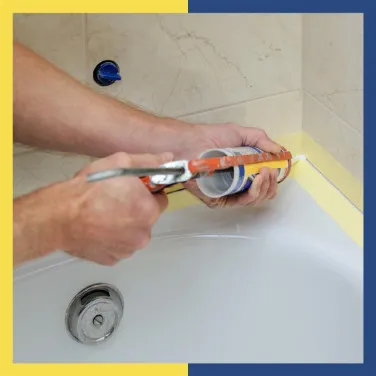
- Fine cracks in plaster and unsealed gaps around pipes provide easy entry routes for moisture.
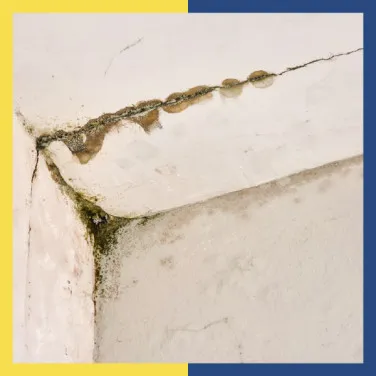
- Persistent dampness leads to peeling paint, musty odours, and mould that is difficult to remove completely
- Over many seasons, the underlying plaster or embedded steel may weaken, turning minor damp marks into serious repair work
Tackling these moisture paths early, rather than simply repainting, limits internal damage and helps keep rooms fresher.
High-risk zones where gardens trigger water leakage
Some parts of the property are more vulnerable than others and tend to show water leakage first. These are usually areas where wet soil, planters, or ponding water stay close to external walls for long periods.
- Planter boxes or raised beds built snugly against external walls, allowing wet soil to rest directly on masonry
- Narrow side passages where sunlight and air circulation are poor, so water dries very slowly after rain or watering
- Paved areas or garden paths that slope towards the house, directing runoff to the plinth instead of away from it
- Blocked drains and low-lying garden corners where water naturally accumulates after every shower
Identifying and monitoring these zones makes it easier to plan corrections and call experts for targeted treatment before moisture travels deeper into your home.
Why are waterproofing solutions essential for garden-facing walls
Simple exterior paint is not designed to handle constant moisture, temperature swings, and strong sunlight coming from an active garden. Purpose-built waterproofing solutions create a durable barrier so that external moisture does not keep entering the masonry year after year.
- The right waterproofing chemical can bridge fine cracks, manage micro-movements in the structure, and maintain strong adhesion to cement-based surfaces
- Quality systems protect both the outer face and underlying layers, helping plasters and bricks remain sound under seasonal stress
- Treated walls stay cleaner and accept fresh paint films better, reducing the effort needed for future maintenance
When suitable waterproofing solutions are applied by specialists on garden-facing walls, indoor spaces stay noticeably drier, and the overall look of the house is far easier to maintain.
How expert waterproofing services protect garden-adjacent walls
Moisture problems around gardens are rarely identical from one home to another. Professional waterproofing services start by studying patterns of dampness, visible symptoms, and how water flows through your garden before recommending any treatment.
- Specialists inspect external walls, planter boxes, drains, plinth areas, and corresponding internal surfaces to map all signs of moisture
- They identify probable entry routes and decide which areas need surface treatment, repairs, or changes to slopes and drainage
- Experts from brands like Dr. Fixit select a suitable waterproofing chemical or system for plinths, walls, and vulnerable joints
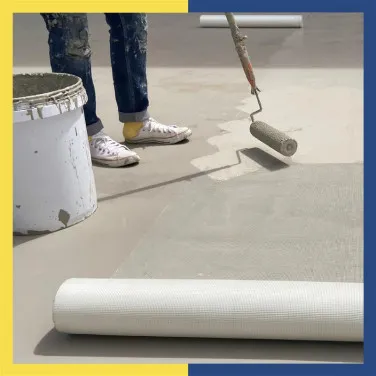
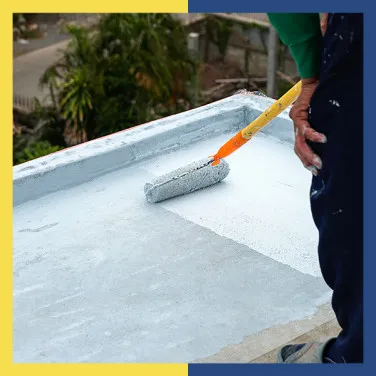
- Teams ensure proper surface preparation, crack filling, priming, and application of protective coats with recommended thickness and curing
By following this systematic approach, specialists help create long-lasting protection so your garden and home can coexist beautifully without recurring damp problems. Their recommended waterproofing solutions are chosen to suit your specific wall conditions and garden layout.
Keep your home and garden safe and beautiful with Dr. Fixit
A planned garden should enhance your lifestyle, not leave you dealing with damp patches and repairs. Choosing the right waterproofing chemical and system for garden-facing walls keeps moisture under control while your home structure remains strong for years.
Experts from Dr. Fixit can inspect garden-adjacent walls, trace moisture sources, and recommend tailored treatments for your home. By acting early and following their guidance, you can keep your garden and interiors safe and appealing through changing seasons.
To know more about waterproofing or get expert help from Dr. Fixit, you can fill out the form given below.
Frequently asked questions (FAQs)
- How to waterproof your house from the outside?
Start with an expert inspection of external walls, plinth areas, and garden-facing surfaces. Based on this, professionals recommend the most suitable waterproofing solution for each area. The right waterproofing chemical is then applied after proper surface preparation and crack treatment, as part of specialised waterproofing services.
- What are the signs that my house is being damaged by garden water?
Common signs include damp bands near the floor, paint blistering, and recurring water leakage on garden-facing walls. You may also notice musty odours, mould spots behind furniture, or powdery white deposits. These symptoms suggest moisture is travelling from the garden soil into your walls.
- What house waterproofing solutions help against garden water damage?
For garden-side walls, specialists often suggest exterior-grade waterproofing solutions designed to resist constant moisture. A compatible waterproofing chemical system is typically used on plinth areas, external walls, and critical joints. Together, these treatments help control water leakage caused by saturated soil and frequent watering.
- Should I waterproof the inside or outside of my house?
For garden-related water leakage, treating the outside is usually more effective because it tackles moisture at the entry point. Interior treatments may still be used to handle visible damage. Experts decide the right combination of waterproofing solutions after inspecting both sides of the wall.
- How often should I check for water damage from garden areas?
Check garden-facing walls at least once every season, and always after heavy rain. Look for early water leakage, damp patches, or efflorescence near the base of walls and around planters. Regular checks help you call professional waterproofing services before damage becomes severe.
Get Professional Waterproofing Solutions Today
Fill The Form below to took free site evaluation by Dr. fixit point safe painting service expert


Renovation
Questions you should ask a society manager about building repairs before buying an apartment












Renovation
Protect your living space: Difference between a weatherproof and waterproof house


Renovation
How to safeguard your home with waterproofing during the rainy season in India





Renovation
The Ultimate Guide to Monsoon Terrace Waterproofing: Protecting Your Home from Water Damage






Get Professional Waterproofing Solutions Today
Fill The Form below to took free site evaluation by Dr. fixit point safe painting service expert
