
Basement Wall Waterproofing Solutions: Tips, Dos & Don'ts
The Do’s and Don'ts of Waterproofing Basement Walls
Learn the key dos and don’ts of basement waterproofing, how expert waterproofing solutions prevent leaks and dampness, and why consulting specialists like Dr. Fixit protects your entire building for the long term.



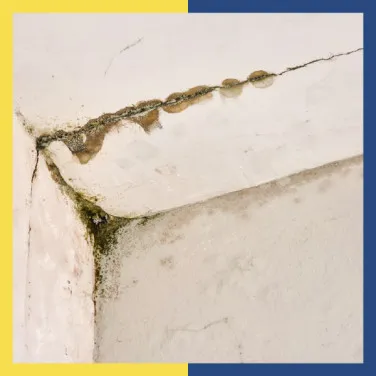
Is your basement turning damp, musty, or prone to small leaks after every heavy shower? The lowest level of a building faces the most water pressure, so it needs planned, durable waterproofing solutions that protect walls, floors, and foundations for years.
When basements fail, it affects parking areas, storage, equipment rooms, and even air quality in upper floors. Thoughtful design and timely waterproofing solutions help keep the structure safer, reduce repair costs, and support long-term structural health.

The dos of basement wall waterproofing
Basement walls stay in constant contact with moisture in surrounding soil. Before deciding on any treatment, focus on understanding how water is entering, then match the right waterproofing solutions to the specific problem.
- Identify the source of moisture
Check for groundwater pressure, surface run-off, plumbing leaks, or gaps at construction joints. Differentiating between seepage, active leaks, and condensation helps experts design a targeted basement wall system instead of relying on guesswork.
- Use a professional waterproofing solution
Below-ground structures need specialised membranes, coatings, and drainage layers. Professional waterproofing solutions are designed to withstand hydrostatic pressure, protect reinforcement, and integrate with foundation details better than generic products.
- Apply waterproof coatings and sealants correctly
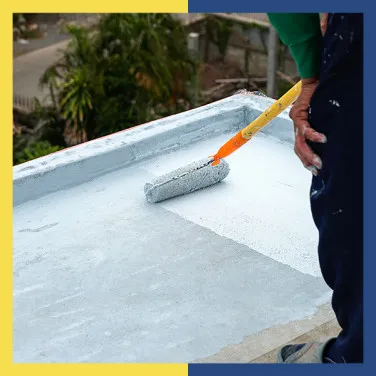
Surface preparation, crack treatment, and specified thickness are critical. A system approach—primers, crack repair, coatings, and protective screeds—ensures continuity and gives the basement a durable barrier instead of a thin film that deteriorates quickly.
- Plan for drainage and sump systems
Even with strong walls, water must be collected and diverted. Perimeter drains, sump pits, and pumps help relieve pressure on the structure and work with external waterproofing solutions to keep the basement usable.
- Get a professional inspection
For new builds and existing structures, periodic technical checks help catch hairline cracks, joint failures, and localised dampness early. Trained eyes see patterns that casual observation might miss, preventing small signs from turning into major leakage.
Treating these steps as a checklist turns basement waterproofing into a planned exercise rather than a last-minute repair. It also aligns basement work with overall waterproofing in the house, so every level of the building stays protected.

The don’ts of basement wall waterproofing
Many basement problems get worse because early warning signs are ignored or treated with quick fixes. Avoiding a few common mistakes can prevent serious structural and interior damage.
- Don’t rely on paint alone
Ordinary paints, even “waterproof” emulsions, cannot resist constant water pressure from soil. They may hide stains temporarily, but moisture often reappears as bubbles, peeling, or patches, masking deeper issues that require engineered waterproofing solutions.
- Don’t neglect exterior waterproofing
Only coating the inside of basement walls traps water in the concrete and increases stress. Exterior membranes, protective boards, and drainage composites help stop water before it enters, which is essential for long-term basement performance.
- Don’t use DIY solutions for major issues
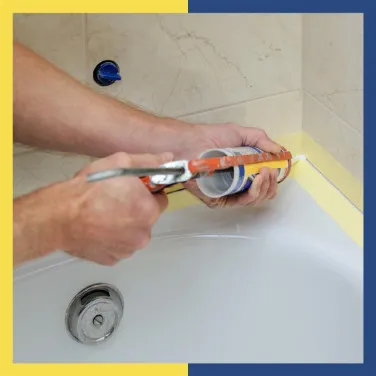
Plugging visible cracks or joints with sealants may slow leakage, but it rarely addresses structural gaps, movement, or detailing errors. Major seepage, recurring dampness, and flooding signs need professional diagnosis rather than trial-and-error products.
- Don’t overlook ventilation and dehumidification
Even when leakage is controlled, poorly ventilated basements can stay humid. Without planned airflow and dehumidification, condensation encourages mould and musty odours, affecting overall waterproofing in the house and indoor comfort.
By avoiding these missteps, property owners ensure that money spent on basement treatment delivers lasting value instead of temporary cosmetic relief.

Trust experts such as Dr. Fixit for your long-lasting basement waterproofing
Basement waterproofing brings together structural design, materials science, and practical site experience. Partnering with specialists like Dr. Fixit helps convert this complexity into clear recommendations and reliable waterproofing solutions.
- Accurate diagnosis of leakage patterns
Experts study site history, soil conditions, water table behaviour, and existing detailing before suggesting any system. This reduces the risk of repeating work and ensures that treatments match real causes, not just surface symptoms.
- System-based solutions instead of single products
Professional guidance focuses on compatible primers, coatings, membranes, and protection layers that work as one system for the basement.
- Support from design to execution
Technical teams help architects, contractors, and associations choose specifications, train applicators, and supervise key stages. This reduces application errors, which are one of the biggest reasons basement waterproofing solutions fail prematurely.
Working with such specialists gives building owners confidence that their basements are designed for real-life conditions, not just ideal drawings. It also builds a long-term service relationship for inspections, upgrades, and future phases of waterproofing in the house.

Conclusion
Basement spaces add immense value to modern buildings, but only when they stay dry, usable, and structurally sound. Planned waterproofing solutions, combined with good drainage, ventilation, and regular inspections, help basements support everyday activities without becoming a source of dampness or damage.
Instead of waiting for stains or puddles to appear, it is wiser to treat basement waterproofing as a long-term investment. Consult trusted professionals such as Dr. Fixit to assess your building’s needs and design the right system, so your structure remains safe, healthy, and future-ready.
To choose the right Dr. Fixit products and get expert guidance, fill out the form given below.
Frequently asked questions (FAQs)
Why does my basement leak every time it rains?
Heavy rain raises groundwater, pushes water against basement walls, and exposes gaps in joints, drains, and external coatings. If grading, drainage, or earlier waterproofing solutions are inadequate, seepage reappears after every shower. A professional inspection identifies root causes and recommends long-term repairs.
Can I fix wet basement walls myself?
No, it is not advisable to try DIY repairs since these usually do not stop water from entering the concrete. Major seepage, active leaks, or structural cracks need engineered waterproofing solutions. For safe, durable waterproofing in the house, consult experts such as Dr. Fixit instead of experimenting with DIY kits.
What maintenance is required for a basement waterproofing system?
A basement waterproofing system needs periodic checks rather than constant intervention. Clean external drains and sump pits, test pumps before monsoon, and watch for new cracks or damp patches. Regular inspections help ensure installed waterproofing solutions keep protecting the overall health of your basement walls.
Get Professional Waterproofing Solutions Today
Fill The Form below to took free site evaluation by Dr. fixit point safe painting service expert


Renovation
Questions you should ask a society manager about building repairs before buying an apartment






Renovation
Protect your living space: Difference between a weatherproof and waterproof house


Renovation
How to safeguard your home with waterproofing during the rainy season in India









Get Professional Waterproofing Solutions Today
Fill The Form below to took free site evaluation by Dr. fixit point safe painting service expert
