
Kitchen Leakage Solution: Fix Water Damage | Dr. Fixit
Kitchen Leakage Solution: Repair & Prevent Water Damage
Kitchens are prone to water-related damages like water leakage, rusted pipes, mould, and more. Here's how to catch the signs early and take action.



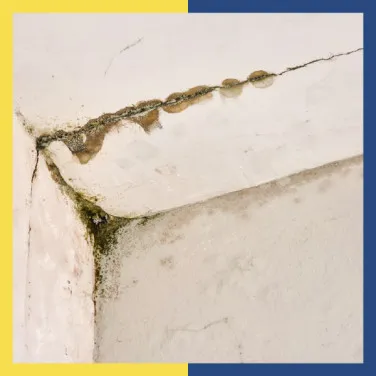
Aakash's family is fond of hosting dinner parties. No wonder their kitchen is one of the most used areas in the house. One morning, he noticed damp patches on the wall above his sink. On further inspection, he also found damp spots growing on the adjoining walls. Such signs often indicate water leakage from walls, especially near sinks, drainage lines, or behind washing areas.
If you’re noticing similar signs and are tired of temporary plumbing fixes, let's learn how to catch water leakage and seepage early and fix them permanently with waterproofing solutions.

How water damage develops in the kitchen
Several sources in the kitchen can potentially lead to water damage, eventually damaging the tiles and walls in the kitchen.
Activities in the kitchen, like cooking and washing, splash water regularly onto the walls. Steam and humidity from cooking can also collect on walls, leading to water damage.

Noticeable signs of water damage in the kitchen
Constant exposure to water, heat, and daily cleaning often creates hidden points in the kitchen where moisture builds up faster than you may realise. Identifying these hotspots early helps you catch trouble areas before they develop into larger leakage or seepage problems.
Here are the most common moisture-prone zones you should keep an eye on –
- Under-sink cabinet interiors – This area is vulnerable because enclosed spaces trap moisture from tiny pipe drips or condensation. Symptoms usually appear as softened cabinet boards, faint circular water marks, or a slightly damp smell when the cabinet is opened.
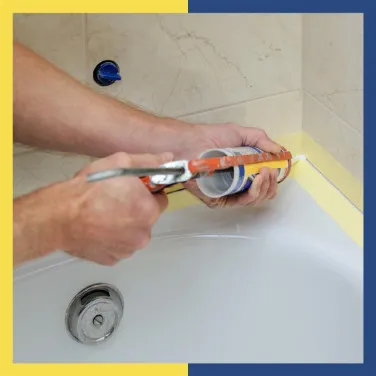
- Countertop–wall junction – Water often seeps through even small gaps where the slab meets the wall. You’ll notice slight darkening along the joint or loosened silicone/caulk that peels away when touched.
- RO / water purifier outlet zone – Overflow pipes or constant drips from purifier outlets cause moisture to accumulate behind the unit. A thin streak-like stain or a cool, slightly damp patch near the pipe clamp is usually the first visible sign.

- Tile joints around the sink – These joints weaken due to constant exposure to soap residue and micro-movements of the counter. Look for thin cracks in the grout or tiny wet patches that stay damp longer than the surrounding tile.
- Behind large appliances (dishwasher / washing area) – Tight spaces restrict ventilation, causing hidden condensation or unnoticed pipe seepage. Symptoms include a damp line at the floor edge or a cold, moist patch on the nearby wall.
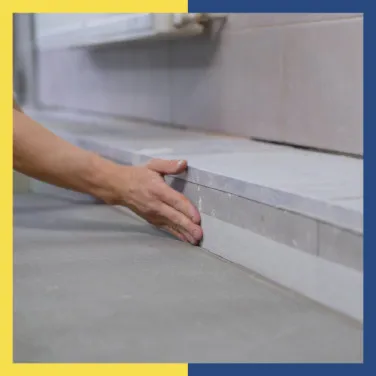
- Floor–wall junction (skirting line) – Water naturally collects at this meeting point when spills or washing splashes roll downward. You may see a slight lifting of the skirting tile or a thin dark band forming where the wall meets the floor.
- Around tap or mixer bases – Loose fittings allow water to escape from the base and trickle down subtly. Mineral deposits or a constantly wet ring around the fixture base are early indicators.

Noticeable signs of water damage in the kitchen
Once moisture begins collecting in these hotspots, it gradually starts showing up on the surfaces you see every day. Here are the signs that usually appear when water damage is developing in your kitchen –
- Damp patches on the walls
- Peeling paint, chipped plaster, and wall blistering
- Rotting or deteriorating cabinets from being exposed to damp walls
- Water leakage leading to rusted pipes and appliances
- Musty or earthy odour (a sign of mould growth)
- Visible discolouration of walls, patches, and stains

What can be done?
Here are some solutions for water leakage:
- Talk to a certified contractor
- Carry out a site assessment (ensure to check adjacent areas for damage)
- Fix faulty pipes, rusted appliances, sinks, leaky taps, etc.
- Ensure good ventilation and install a chimney to avoid the collection of steam
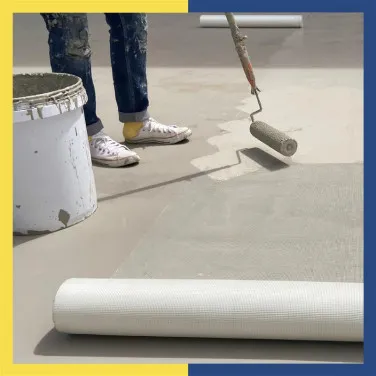
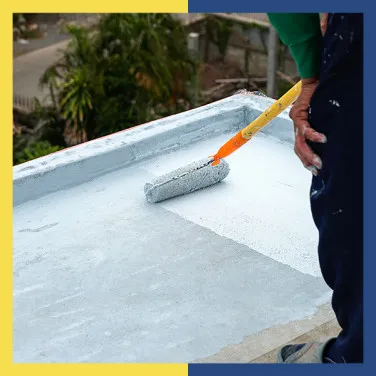
- Get your kitchen and adjacent areas waterproofed
Aakash could have easily prevented the aforementioned water-related damages with waterproofing solutions. Waterproofing during new house construction ensures your kitchen is shielded from dampness and damage from day one. But if you have skipped it during construction, you must get it done immediately.

The takeaway
Every kitchen is prone to water leakage from walls and nearby surfaces if not protected during construction. The most reliable way to prevent such damage is through waterproofing solutions that safeguard your kitchen and adjoining areas from dampness. Along with professional solutions for water leakage, keep the kitchen dry, wipe down surfaces regularly, check appliances, and maintain proper ventilation.
Want to get your kitchen assessed? The experts at Dr. Fixit will be happy to help you. Contact us by filling out the form given below today for a waterproofed kitchen.
Frequently asked questions (FAQs)
1. What are the symptoms of water leakage?
Common symptoms of water leakage include:
- Damp spots on walls
- Peeling paint
- Discoloured or stained patches
- Musty odour
- Swelling of cabinets or woodwork near sinks or drainage areas
Applying waterproofing solutions can prevent water leakage from walls, protect surfaces from dampness, and keep your kitchen dry and damage-free.
2. How long can a water leak go undetected?
A water leak can remain unnoticed for months or even years, especially if it occurs behind tiled walls, under the sink, or in concealed pipelines. Applying waterproofing solutions during construction or renovation is the best way to prevent them.
3. How do I know if my underground pipes are leaking?
Underground pipe leaks often show up through damp flooring, soft soil patches near walls, or loose kitchen tiles. You may also hear a faint hissing sound or notice unusual wet spots even when no tap is running. These are warning signs that water might be seeping through hidden pipelines.
While professional checks can help locate the source, one of the most effective solutions for water leakage is to waterproof the affected areas. Applying waterproofing solutions to the kitchen floor and adjoining walls prevents seepage from underground pipes and blocks moisture from damaging the structure.
Get Professional Waterproofing Solutions Today
Fill The Form below to took free site evaluation by Dr. fixit point safe painting service expert


Renovation
Questions you should ask a society manager about building repairs before buying an apartment












Renovation
Protect your living space: Difference between a weatherproof and waterproof house


Renovation
How to safeguard your home with waterproofing during the rainy season in India





Renovation
The Ultimate Guide to Monsoon Terrace Waterproofing: Protecting Your Home from Water Damage



Get Professional Waterproofing Solutions Today
Fill The Form below to took free site evaluation by Dr. fixit point safe painting service expert
