
Rising Dampness Treatment in India: Expert Guide | Dr. Fixit
Rising Dampness Treatment in India: Protect Your Home
Discover effective waterproofing solutions for your house and how to shield your living space from rising water dampness, ensuring durability and security.



If you are all set to build the house of your dreams, you must know about the sneaky villain called rising water dampness.
This issue can play havoc if not taken care of while you are in the construction phase of your house. In this article, let's understand what rising water dampness is, how it affects the foundation walls and how foundation waterproofing can be a practical solution to combat it.

What is rising water dampness?
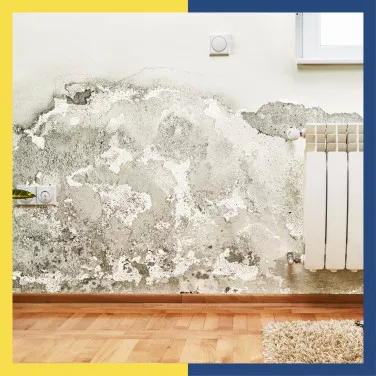
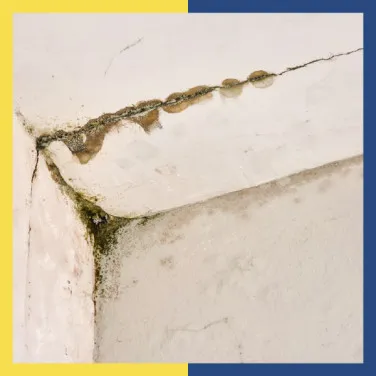
Groundwater often seeps into the foundation walls of a house if not waterproofed. This water can then travel up the walls and show up in your living spaces. This is called rising water dampness. You will notice efflorescence or white powdery patches on the walls near your floor if they're affected by rising dampness.
Water seeping through your foundation walls is like a silent infiltrator that must be stopped in its tracks from day one.

Causes of dampness in the walls due to rising water
Here are some ways water seeps in causing dampness in the walls -
1. Monsoon downpours - Intense rainfall saturates the soil, pushing water towards the foundation walls.
2. Poor drainage systems - Inadequate drainage leads to water pooling around these structures.
3. Groundwater levels - Fluctuating groundwater levels allow moisture to seep through the foundation walls.
4. Cracks in walls - Small cracks caused by water pressure or lack of waterproofing can create a direct pathway for water.

The solution: Waterproofing your foundation walls
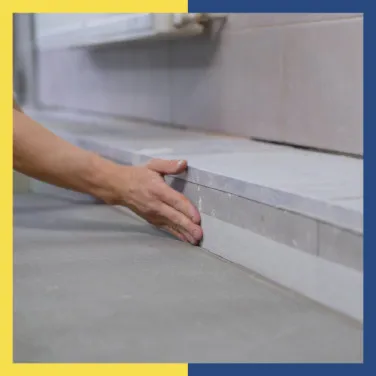
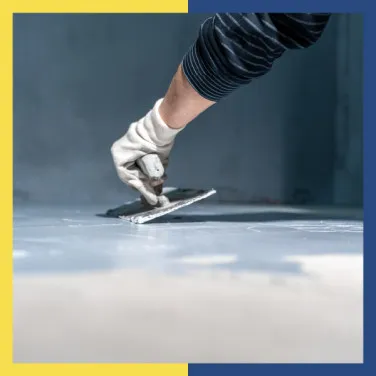
To protect your foundation walls from rising dampness, it is essential to adopt foundation waterproofing. When your foundation walls are protected against water, the chances of it travelling to your living space are also reduced.
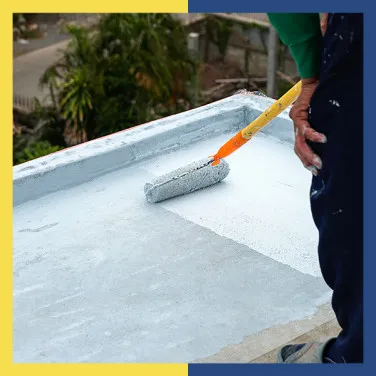
Along with that, you must waterproof your walls (internal and external), bathroom, kitchen, roof, and water tank for a complete and comprehensive solution for rising dampness in walls. It allows for damp proofing to act as a shield against weather, water, etc., keeping your home damage-free for years to come.

How to identify and prevent rising dampness early
Rising dampness begins long before the visible patches appear on your walls. Understanding the early markers can help homeowners take action before the issue becomes severe. While the construction phase is the best time to prevent rising damp, keeping an eye out for subtle clues can make a big difference in the long run.
Here are some simple ways to identify early warning signs -
- A musty smell near the lower walls, even if the surface looks dry
- Paint starting to bubble or peel close to the floor
- Skirting boards warping or becoming discoloured
- Floors feeling slightly cold or damp to the touch in certain spots
These signs often show up gradually, and many homeowners tend to ignore them until the patches become obvious. But addressing them early can save significant time and repair costs.

5 Ways waterproofing helps
Here are a few ways waterproofing your foundation walls and the entire house helps in the long run -
1. Smart investment - Investing in waterproofing provides protection, saves you costs on repairs, and keeps your home beautiful.
2. A permanent solution- It's not just a temporary fix; waterproofing protects against potential water-related problems.
3. Adds to the longevity - Waterproofing offers enduring benefits, contributing to the longevity of your home.
4. Peace of mind - With a waterproofed home, you don't have to worry about damages, repairs, or health concerns (that may arise from mould, damp spots, etc).
5. Maximising value - A waterproof, damage-free home always has a higher property value.
Pro tip - Beyond waterproofing solutions, adopt proper drainage to fortify your defence against water-related issues. These steps complement waterproofing, enhancing the protection of your cherished space.

To wrap up
Rising water dampness is a concern that should be addressed promptly to safeguard your home. So, if you are planning a new house construction and don't want water seeping through the walls, consider waterproofing solutions right now! Get in touch with the experts at Dr. Fixit by filling out the query form given below.
Frequently asked questions (FAQs)
- How to dry out rising damp?
Drying out rising dampness becomes easier when the surface is protected with the proper waterproofing solutions. Foundation waterproofing stops moisture from travelling up the walls, allowing the surface to dry steadily. Additionally, good ventilation and adequate drainage maintain a healthier indoor environment.
- What is the best solution for rising damp?
The most reliable solution for rising dampness in walls is foundation waterproofing during the construction phase. It stops groundwater from moving upward and keeps indoor spaces dry. If dampness appears later, opting for comprehensive waterproofing solutions across key surfaces helps restore and protect your home.
- What is the best chemical for dampness?
There is no single “best chemical” for dampness because long-term protection comes from a complete waterproofing approach rather than a product. Foundation waterproofing and surface-specific waterproofing solutions offer a stronger and more dependable way to prevent rising dampness in walls and maintain your home’s condition.
- Can you treat rising damp without removing plaster?
You can manage rising dampness without removing plaster by choosing surface-appropriate waterproofing solutions. Addressing the source through foundation waterproofing prevents moisture from travelling upward again. Once the wall stabilises, the plaster stays in better condition, and the dampness doesn’t return easily.
- What are the first signs of rising damp?
Early signs may include white patches near the floor or slightly damp areas on lower walls. These appear when foundation waterproofing is missing. If you notice this, the right solution for rising damp in walls is to apply proper waterproofing to key home surfaces to prevent further damage.
- Can dampness go away on its own?
Dampness rarely fades on its own because groundwater continues to seep in when foundation waterproofing is missing. The most reliable solution is to waterproof the foundation and other major surfaces so moisture cannot enter. This approach enables damp proofing and maintains a healthier living environment.
Get Professional Waterproofing Solutions Today
Fill The Form below to took free site evaluation by Dr. fixit point safe painting service expert


Renovation
Questions you should ask a society manager about building repairs before buying an apartment










Renovation
Protect your living space: Difference between a weatherproof and waterproof house


Renovation
How to safeguard your home with waterproofing during the rainy season in India





Renovation
The Ultimate Guide to Monsoon Terrace Waterproofing: Protecting Your Home from Water Damage




Get Professional Waterproofing Solutions Today
Fill The Form below to took free site evaluation by Dr. fixit point safe painting service expert
