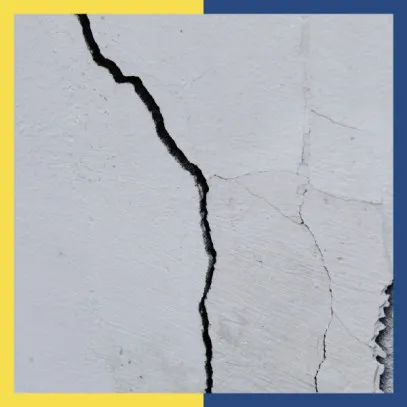
Internal Wall Waterproofing


Internal Wall Waterproofing Knowledge for Repair and Renovate
-
What waterproofing coating helps with damp walls?
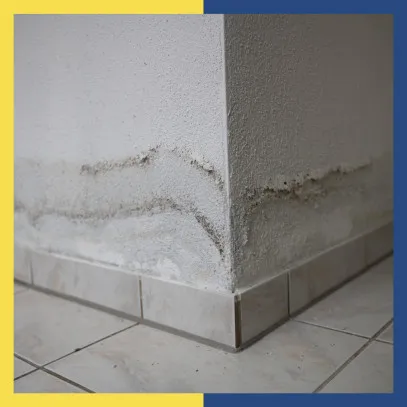
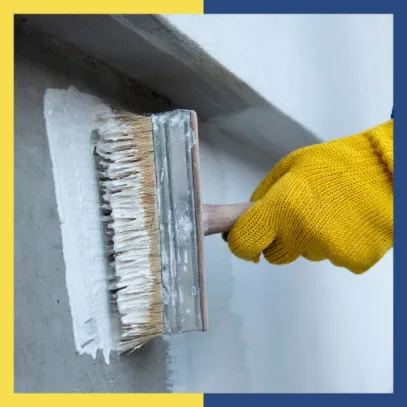
Dr. Fixit offers damp-proofing coatings designed to block moisture from seeping through walls and causing damp patches or peeling paint indoors. These coatings are applied after identifying and addressing the source of moisture, whether it is rising dampness from the ground, seepage from an adjoining wet area, or rain penetration through an external wall, since coating alone will not fix an active leak. Dr. Fixit's internal wall waterproofing range is formulated to be applied over cleaned, dry masonry for lasting damp resistance.
-
What methods treat leakage coming through a wall?
Dr. Fixit treats wall leakage by identifying whether water is entering from outside, such as rain penetration through an external wall, or from an internal source like a leaking pipe or adjoining wet area, since the repair approach differs. External leakage is typically treated by repairing cracks and applying an exterior waterproofing coating, while internal leakage may require addressing the plumbing or wet-area waterproofing at the source. In both cases, treating only the visible damp patch without finding the actual entry point usually results in the leak returning.
-
How can water seepage in walls be stopped?
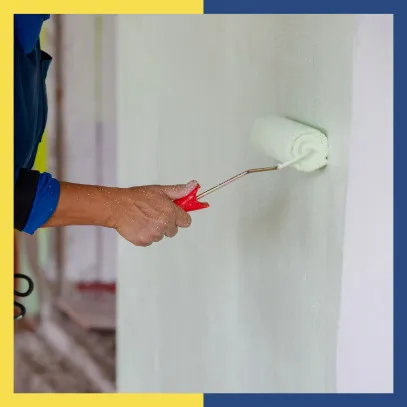
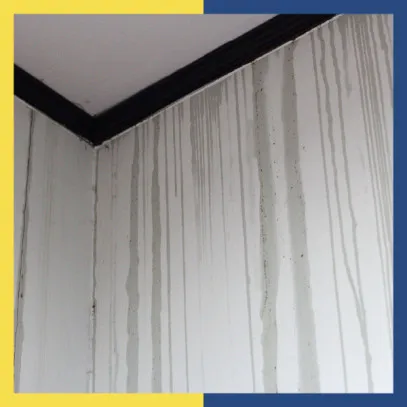
Dr. Fixit addresses wall seepage by first tracing its source, since seepage can come from an external wall exposed to rain, a leaking pipe inside the wall, or moisture rising from the ground. Once identified, cracks are repaired and a waterproofing coating suited to the wall type is applied to block further moisture entry. Painting over a damp wall without treating the seepage first usually leads to the paint peeling again within a season, so treating the root cause is essential.
-
What solutions address dampness caused by wall seepage?
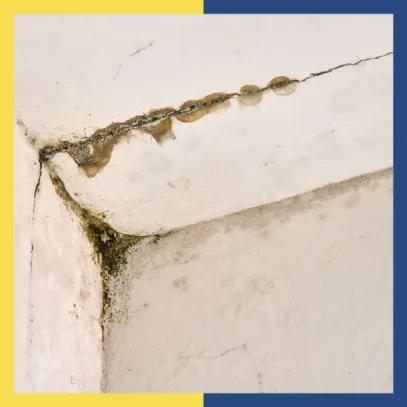
Dr. Fixit's approach to seepage-related dampness starts with tracing the water's entry point, whether it is a crack in an external wall, a failed waterproofing layer in an adjoining bathroom, or a plumbing leak inside the wall. Once the source is fixed, a waterproofing coating suited to the wall type is applied to prevent further moisture ingress, followed by replastering and repainting as needed. Treating only the visible damp patch without finding the seepage source is one of the most common reasons dampness returns after repainting.
-
How can dampness in walls be fixed?
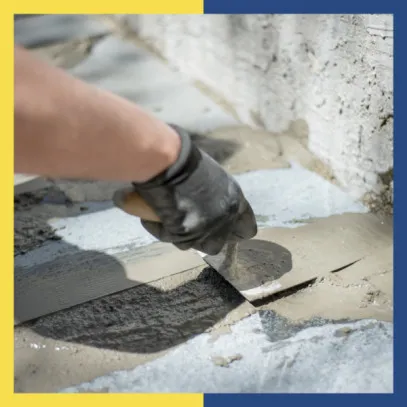
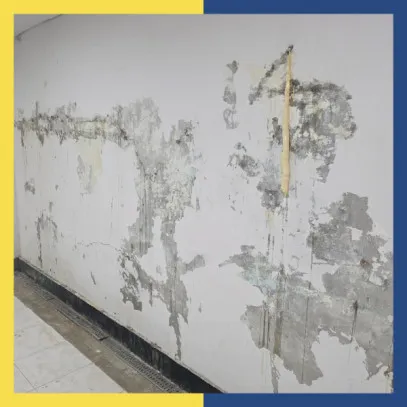
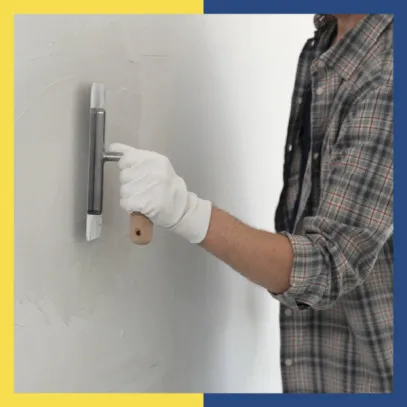
Dr. Fixit fixes damp walls by first determining the cause, whether it is rising dampness from the ground, seepage from an external wall, or a leak from an adjoining wet area, since each requires a different treatment approach. Once identified, the affected plaster may need to be removed, the surface treated with a suitable Dr. Fixit waterproofing coating, and then replastered and repainted. Simply repainting over a damp wall without addressing the underlying cause typically results in the same damp patch reappearing within months.
Testimonials
-
 My bedroom walls had a seepage issue since quite some time as it is connected to the bathroom. Even after painting and using various products, the problem occurred frequently and I to spend a lot of money. After consulting my contractor, he suggested the use of Dr. Fixit waterproofing products and waterproofing solutions to prevent this problem. For now, the seepage issue has been suppressed but I hope choosing Dr.Fixit waterproofing products will be a good decision.
-
One of the worst problems I faced after the construction of my new home was leakage in one of the bedrooms. I live in a bungalow at Vasai east, and I failed to waterproof my house during the construction phase. While my contractor was unable to warn me about the consequences of not waterproofing my home, my neighbour asked me to get it done as soon as possible, and not wait any longer. So I got in touch with Dr.Fixit waterproofing professionals as I had heard that their products are widely used, and they suggested that I use Dr.Fixit Roofseal for my terrace and Dr.Fixit Raincoat for external walls.
I was impressed with the service provided by their nearby dealer and I hope that I don’t face any leakage in the future.
-
I live in a bungalow in (Wai), every monsoon I face leakage in the house interiors due to heavy rainfall. Even after using waterproofing products and expensive paint, the problem persisted. My friend informed me about Dr. Fixit Raincoat, and I purchased them from the nearest dealer. My contractor hired some men to do the job, even once the work was done I was still sceptical about the result. However, this monsoon, there was no leakage problem, and I was relieved to see that.
Choosing Dr. Fixit waterproofing was a good decision.
-
Last year at this time, the walls of my home started getting damp post heavy rains in the previous season. I found about Dr. Fixit Dampguard through the website and applied it on the walls. Didn’t face similar problems this year. Thanks, Dr. Fixit.
-
Living on the top floor of a building is undoubtedly exciting, but it brings along with it terrible roof leakage problems. I faced a similar situation in my home since I stay on the topmost floor of a building which is just below the terrace. Always during the monsoon, the terrace gets water clogged, and that leads to bad leakage in my hall area. I’ve tried so many products to fix this issue and even spread plastic over the affected areas of the terrace to prevent water leakage, but it didn’t help. After so many tried and tested means, my building contractor and I resorted to using Dr.Fixit’s Roofseal roof waterproofing products. And the product proved to be extremely helpful, as the leakage didn’t occur the following monsoon season. I should’ve used Dr.Fixit roof waterproofing products at the beginning itself to prevent any other leakage issues. But they say, better late than never, I would recommend using Dr.Fixit waterproofing solutions for every leakage issue faced in a home.
-
It’s been some years since I opted for Dr.Fixit waterproofing solutions as there was an ongoing leakage issue.
I was experiencing this issue with my terrace, as the cracks formed resulted to huge leakage problem affecting my home interiors.
My contractor chose to use some waterproofing products to see if the leakage continued. However, it stopped for some time and then continued again.
Then I got in touch with Dr. Fixit waterproofing solutions and they suggested I use one of their waterproofing products called Dr. Fixit Newcoat. Since then, my terrace has not given us any problems whatsoever.
I hope this problem doesn’t come up again.
-
I had a good experience with Dr Fixit guys. So, the building I was staying in was getting renovated on the top floors and my flat was exposed directly to the outside environment. Anyways, that was not a problem until monsoon when water started peeping in through my ceiling corner. Every time that it rained, I found my ceiling experiencing seepage problems . I contacted my landlord and he addressed my issue within a week. He called Dr Fixit guys from Mumbai, who came and inspected the dripping ceiling. They came back with their waterproofing product and solved the problem in a short span of time. Thumbs up to Dr Fixit.
-
Having stayed in a bungalow in Ghansoli since 15 years, we’ve often faced the issue of bathroom leakage in the master bedroom. It was a task using different waterproofing solutions to solve this issue. When I consulted my contractor, he suggested that I give Dr.Fixit solutions a try. And the result was surprising! My bathroom that was facing the leakage issue doesn’t leak anymore. In fact, it’s so much better, than I’ve waterproofed even the other bathrooms in my other bedrooms. The contractor suggested Dr.Fixit Pidifin, 2K. I’m happy that I don’t have to overspend on repairs in the future.
-
My house was facing a terrace seepage situation on the account of water tank overflowing. It was an ongoing issue which was under control for some time but had popped up again. I had heard about waterproofing services by Dr. Fixit being good but wasn’t sure. However, after listening to my contractor, I used the products for my terrace. It’s been over 5 months, and the leakage has stopped, which is a good thing. I hope this issue doesn’t come up again.
-
I contacted Dr Fixit waterproofing solutions for my terrace leakage some months backs. My spouse and I had purchased an apartment in Bandra and took possession about ten months back. However, within, a month or two, damp patches were seen on the ceiling. Mainly because we live a floor below the terrace (topmost level). We contacted the building owner, before reaching out to Dr. Fixit, but he didn’t seem that interested. Finally, we reached Dr.Fixit on their toll-free number; that very instant, my call was promptly answered by the Dr.Fixit office in Mumbai.
My issue was raised, and I got in touch with the Dr Fixit staff, who very nicely, explained every aspect of the product to be used for terrace waterproofing. Within a few days, there was a representative who came by for inspection, and to check out how severe the issue was. On examination, he suggested a few products, which eventually were used. Once the monsoon arrived, the leakage issue didn’t seem to pop-up. I’m glad that my query for catered to, and my problem is no longer an issue. I appreciate the quick reply and good work too!