
दीवार प्लास्टरिंग का इनडोर एयर क्वालिटी पर असर
How wall plastering affects indoor air quality: A scientific view
Did you know the impact of wall plastering on your home’s indoor air quality and overall well-being? This guide explores how different plaster walls impact the quality of air and the importance of waterproofing your wall plaster to maintain a safe, breathable space.



Table of Contents
Our houses don’t just shape our comfort but also impact our health and well-being. One important aspect of your house is its Indoor Air Quality (IAQ), or the quality of air you breathe within your home.
In Indian homes, varying climates and urban pollution make IAQ a crucial factor. From monsoons that bring excess moisture to traffic emissions that seep indoors, maintaining good air quality is a constant challenge.
Surprisingly, one of the lesser-discussed yet impactful contributors to IAQ is wall plastering. The type of plaster walls in your home, their composition, and even how their cracks are managed can directly affect air purity and overall indoor health. Let's look at the science behind how wall plastering influences the air you breathe indoors.
The link between plaster walls and air quality: Explaining the science
When plaster walls retain excess moisture, it creates the perfect environment for mould and mildew proliferation. This not only weakens the structural integrity of your home but also releases airborne spores that can trigger allergies and asthma.
Multiple studies over the years have highlighted the significant impact of wall materials and moisture levels on the quality of indoor air. Institutions like the Environmental Protection Agency (EPA) and the World Health Organization (WHO) have also linked the Volatile Organic Compound (VOC) emitted from synthetic plasters with respiratory issues and long-term health risks.
If you want to minimise the impact of your home’s wall plastering on its indoor air quality, here are three critical steps you must take –
- Use of low-VOC and natural plasters – Opting for lime-based and mineral plasters actively regulates indoor humidity and reduces airborne contaminants.
- Advanced waterproofing techniques – Waterproofing helps maintain cleaner air indoors by preventing structural dampness and microbial growth.
- Proper ventilation and maintenance – Well-ventilated spaces reduce the level of trapped pollutants in the house and maintain a breathable indoor environment.
Choosing the right wall plastering: Material matters more than you think
Wall plastering is more than an aesthetic choice—it influences air circulation, humidity control, and pollutant absorption. This is why choosing the right material for your walls is so important.
Traditional plaster walls naturally regulate moisture and are made from cement, gypsum, or lime, each with distinct properties.
- Cement-based plaster – These walls are durable but can trap moisture, leading to mould concerns.
- Gypsum-based plaster – These walls are lightweight and smooth but may contain synthetic additives.
- Lime plaster – These walls are naturally breathable, antimicrobial, and VOC-free, improving air quality.
Unlike traditional materials, synthetic wall plasters release VOCs that lead to respiratory irritation and long-term health effects. Opting for low-VOC or natural alternatives helps maintain a healthier environment while ensuring structural stability.

Why is waterproofing essential for good IAQ?
Moisture buildup in plaster walls creates the perfect environment for mould and mildew, significantly lowering indoor air quality. When water seeps into walls, it fosters microbial growth, which releases airborne spores and allergens.
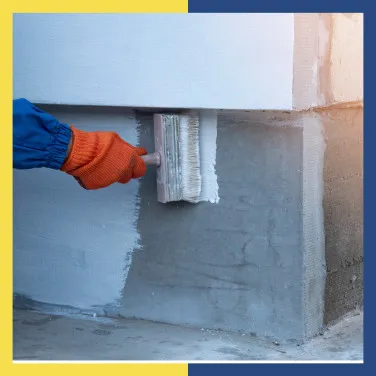
Waterproofing wall plaster is a crucial defence against moisture damage, ensuring a healthier indoor environment. Effective waterproofing solutions, like Dr. Fixit, prevent damp walls, moisture ingress, and mould growth, directly improving air quality.
Some reasons why your plaster walls need waterproofing include –
- Proper waterproofing of wall plaster prevents moisture absorption and microbial growth
- Breathable yet waterproof wall plaster solutions can reduce indoor humidity fluctuations by up to 40%, allowing controlled airflow without trapping pollutants
- Ensuring high-quality application techniques minimises structural damage and indoor air risks
- Professionally applied waterproofing solutions preserve the integrity of your home, preventing cracks that can trap dust or pollutants
When selecting waterproofing wall plaster, opt for products that are low in VOCs and allow moderate permeability for balanced airflow. Some examples include –
- Mineral-based plasters like lime and gypsum
- Low-VOC polymer-modified plasters that combine durability with breathability
Pro tip – Regularly inspect walls for early signs of moisture infiltration, such as discolouration or a musty smell. Addressing these issues promptly can prevent costly repairs and maintain superior indoor air quality.
Some more practical tips for homeowners and builders
Choosing the right wall plaster and implementing waterproofing measures is only the first step. Here are some tips to sustain long-lasting results –
- Regular maintenance – Promptly inspect and repair cracks or water damage to avoid long-term IAQ issues.
- Ventilation matters – Ensure proper airflow during and after construction to dissipate any lingering emissions.
- Monitor humidity levels – Use dehumidifiers or moisture-absorbing materials to prevent condensation-related problems in high-humidity areas.
What lies ahead in wall plastering?
As the science of wall plastering continues to evolve, emerging technologies have increasingly started focusing on positively impacting indoor air health. Some trends in recent years include using smart materials to actively regulate air quality, nano-modified plasters with enhanced properties, and sustainable, low-carbon alternatives.
High-quality plastering and reliable waterproofing solutions (like those from Dr. Fixit) help create a cleaner, moisture-resistant living space. This minimises pollutants and dampness-related issues.
If you want to protect and maintain your home’s long-term beauty, fill out the form below to connect with the experts at Dr. Fixit today.
Get Professional Waterproofing Solutions Today
Fill The Form below to took free site evaluation by Dr. fixit point safe painting service expert



Get Professional Waterproofing Solutions Today
Fill The Form below to took free site evaluation by Dr. fixit point safe painting service expert
