
Wall Leakage: Why It Happens and How to Stop It Permanently
Wall leakage can come from different sources, including rainwater ingress, plumbing leaks, cracks and persistent internal dampness. Waterproofing solutions should match the cause of leakage. Exterior rain-related seepage and interior dampness require different waterproofing products. Recurring damp patches need more than a local patch or a fresh coat of paint. Persistent leaks require crack treatment and a complete waterproofing system. Preventive maintenance can reduce the risk of future leaks. Inspect exterior walls, joints, cracks, and drainage points, especially before the monsoon.



Table of Contents
A damp patch does not always mean the same problem. Rainwater can enter through exterior walls. Plumbing leaks can create moisture indoors. Cracks can also allow water to travel through the wall. Effective waterproofing for wall leakage starts with diagnosis. A surface patch or repaint may hide the symptom temporarily, but it will not address the source of the leakage.
Internal vs External Wall Leakage
Wall leakage generally falls into two broad categories.
External leakage
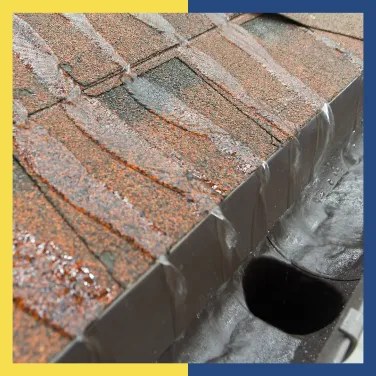
Water can enter through cracks, porous surfaces, joints or exposed walls. You may notice damp patches after heavy rainfall.
Internal leakage
It can come from plumbing lines, bathrooms or persistent moisture. Dampness may appear even without rain.
Telling them apart
Look for when and where the dampness appears.
- Rain-linked dampness often points towards an exterior source.
- Dampness near bathrooms can indicate internal seepage.
- Localised patches near pipes may indicate plumbing leakage.
- Cracks around windows can allow external moisture to enter.
A professional inspection can help confirm the actual source before treatment.
How to Stop Wall Leakage (By Cause)
The right waterproofing method depends on the moisture's source and location. A simple cause-to-solution approach can make the choice clearer.
| Leakage cause | Area to address | Suitable Dr. Fixit solution |
| Rainwater ingress | Exterior walls | Dr. Fixit Raincoat Select |
| Interior dampness | Interior wall surfaces | Dr. Fixit Dampguard |
| Moisture entering through concrete | Integral waterproofing | Dr. Fixit Pidiproof LW+ |
Exterior fix
For rain-related seepage, start with the exterior surface. Dr. Fixit Raincoat Select is a waterproofing product designed for exterior wall protection. Proper surface preparation remains important. Assess cracks and damaged areas before application.
Interior fix
When moisture affects interior walls, investigate the source first. Dr. Fixit Dampguard is designed for interior dampness protection. Do not treat dampness as a painting problem alone. If moisture continues entering the wall, the issue can return.
When to Re-Waterproof vs Patch
A small, isolated defect may need local repair. Recurring leakage usually needs a wider assessment.
Patch vs system
A simple patch may be enough if the leak is minor and caused by a surface-level crack. However, if the crack is large, or if the leakage keeps reappearing even after repairs, then a simple patch may not be enough.
If the same damp patch returns, investigate the complete affected area. A full waterproofing system involves surface preparation, crack treatment, drainage correction and the appropriate waterproofing layer.
Select the right waterproofing product for walls or any other surface after a proper diagnosis. This is why it is essential to call a waterproofing professional when you’re dealing with serious recurring leaks.
Prevent Wall Leakage
Prevention starts before visible dampness appears. Check exposed walls, cracks, joints and drainage points regularly.
Prevention
Consider these preventive measures:
- Inspect exterior walls before the monsoon
- Seal suitable cracks through professional assessment
- Keep rainwater drainage paths clear
- Address plumbing leaks promptly
- Consider integral waterproofing during construction
- Use suitable waterproofing systems for exposed surfaces
The right waterproofing method can protect walls from recurring moisture problems for years.
FAQs
1. Why does my wall keep leaking?
Recurring leakage can have several causes. These include rainwater ingress, plumbing leaks, cracks and persistent dampness. Repainting may hide the visible mark without addressing the source. A professional assessment can identify the actual cause.
2. How do I permanently stop wall leakage?
Start by identifying the source. Then select the appropriate waterproofing system for that condition. Exterior seepage, interior dampness and integral moisture protection require different approaches. The right waterproofing method addresses the source rather than only the visible patch.
3. Which Dr. Fixit product is best for wall leakage?
No single product fits every leakage condition. Dr. Fixit Raincoat Select is for exterior wall protection, while Dr. Fixit Dampguard is for interior dampness protection. Always choose products based on a proper professional diagnosis.
4. Should you waterproof the inside or outside?
It depends on where the moisture enters. Rain-related seepage generally requires attention to the exterior source. Internal plumbing or dampness may require interior treatment. A professional can assess both sides before recommending a system.
5. Why does leakage return after repainting?
Paint does not necessarily stop water from entering the wall. If the underlying source remains, dampness can return. This is why waterproofing methods should focus on diagnosis and source control.
Get Professional Waterproofing Solutions Today
Fill The Form below to took free site evaluation by Dr. fixit point safe painting service expert


Renovation
Questions you should ask a society manager about building repairs before buying an apartment





Get Professional Waterproofing Solutions Today
Fill The Form below to took free site evaluation by Dr. fixit point safe painting service expert
