
Structural Cracks vs Surface Cracks: Identification & Repair
Structural Cracks vs Surface Cracks: How to Identify and Repair Them
Not all wall cracks are equally serious. Surface cracks are usually shallow and cosmetic, while structural cracks extend into masonry, concrete, or load-bearing elements. Crack width, pattern, and movement indicate severity. Cracks wider than 3 mm, growing cracks, and horizontal or stair-step patterns are usually caused by structural issues. The root cause must be fixed before the visible crack is repaired. Foundation settlement, moisture intrusion, poor construction, etc., can cause cracks to reappear. Waterproofing and maintenance can prevent further damage. Controlling moisture and maintaining proper drainage can reduce seepage and structural damage.



Table of Contents
- Understanding the Difference Between Structural Cracks and Surface Cracks
- Types of Cracks in Walls and What They Mean
- How to Identify Structural Cracks: Warning Signs You Shouldn’t Ignore
- Common Causes of Structural Cracks in Indian Homes
- Step-by-Step Guide to Assessing Cracks in Your Home
- Repair Methods for Structural Cracks
- Repair Methods for Surface Cracks
- Prevention Tips: How to Avoid Structural Cracks
- Cost Considerations for Crack Repair in India
- FAQs
Cracks are among the most common home repair problems that homeowners face at some point in their lives. There are two main types of cracks that you need to be aware of: surface cracks and structural cracks. Surface-level cracks are purely cosmetic and can be fixed quickly with simple procedures. On the other hand, structural cracks extend deeper into brickwork, concrete, or load-bearing elements and may require expert attention and significant repairs.
Here’s a breakdown of the types of cracks in building structures, their causes, warning signs, assessment methods, repair solutions, and prevention tips.
Understanding the Difference Between Structural Cracks and Surface Cracks
Before deciding how to repair a crack, you need to know which category it falls into. Here's what you need to know about structural vs superficial crack repair:
What Are Structural Cracks?
When cracks appear on the load-bearing walls of your home, such as the masonry, brickwork, columns, etc., they are considered to be structural cracks. They are usually wider, often appearing as diagonal or stair-step patterns, and tend to grow. They indicate that the building is under stress or that the foundation is shifting.
What Are Surface Cracks (Cosmetic Cracks)?

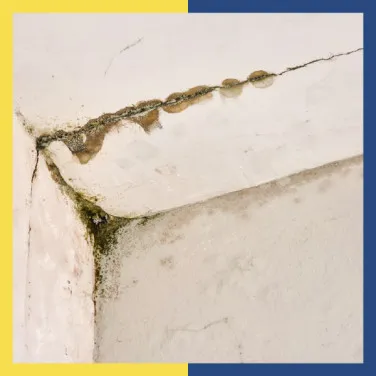
On the other end of the spectrum are surface cracks, also known as cosmetic or plaster cracks. These sit only in the finishing layer of your wall and are hairline-thin/shallow. Surface cracks often appear as paint cures or a new building settles, and while not dangerous, they can allow moisture to seep in, leading to peeling paint or mould over time.
Key Differences at a Glance
The following comparison table provides a quick distinction:
| Factor | Structural Cracks | Surface Cracks |
| Depth | May extend into masonry or concrete | Usually limited to paint or plaster |
| Appearance | Often diagonal, horizontal, wide, or stair-step | Usually fine and shallow |
| Movement | May widen, lengthen, or reappear | Often remain stable |
| Main concern | Structural movement or stress | Finish, shrinkage, or minor moisture issues |
| Repair approach | Professional assessment followed by targeted treatment | Filling, patching, finishing, or waterproofing |
Types of Cracks in Walls and What They Mean
Cracks do not all follow the same shape or direction. Their pattern can provide useful clues about why they have appeared. Here are 5 common types of wall cracks you may notice:
Hairline Cracks (Less Than 1mm)
Hairline cracks appear on walls and are just surface-level. These types of cracks in buildings are usually surface-level and not concerning.
Vertical Cracks
Running floor-to-ceiling, these typically result from temperature changes or standard settling. They are usually surface cracks unless they exceed 3mm or appear on load-bearing walls.
Horizontal Cracks

Running side to side, these cracks may be a cause for concern. These cracks typically appear due to foundation movement, extreme soil pressure, or water pushing from outside. Horizontal cracks often signal that outside soil pressure or water is causing a foundation wall to bow inward, a serious structural issue that can compromise the building's stability.
Diagonal Cracks
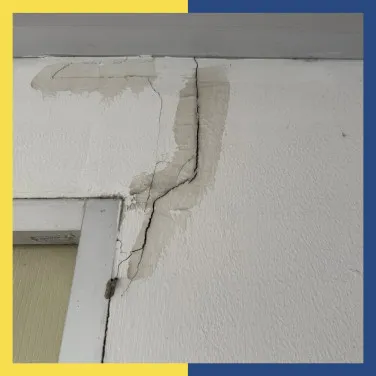
Cracks that appear at 45-degree angles, especially near windows and doors. These cracks indicate a shifting foundation and fall into the structural crack category.
Stair-Step Cracks in Brickwork
Zigzagging through brick mortar, this pattern clearly indicates foundation movement. Different foundation sections settling at different rates can create this distinctive pattern.
Cracks Around Doors and Windows
Diagonal cracks radiating from these locations indicate foundation movement. These areas are naturally weak due to their thinner edges and openings.
How to Identify Structural Cracks: Warning Signs You Shouldn’t Ignore
The following signs can help you decide when structural cracks need professional repairs.
Crack Width Measurements (1mm, 3mm, 5mm Thresholds)
Hairline cracks under 1mm are typically surface concerns. However, cracks that exceed that width need to be monitored. Any crack larger than 3mm, especially in load-bearing walls, needs professional evaluation. Cracks over 5mm are clearly structural cracks and need professional repairs as soon as possible.
Crack Location and Pattern
Cracks confined to the plaster finish are often just surface-level issues. However, if those cracks penetrate the masonry, they become serious structural concerns. Systematic patterns, such as stair-stepping or multiple cracks radiating from one point, are clear indications of damage and require professional structural crack repair.
Signs of Active Movement
The most important indicator is whether your cracks are growing. Place a tape across the crack, mark the endpoints with a pen, and check the tape monthly. Growing cracks represent active structural issues, while stable cracks that don’t grow are less dangerous.
Associated Symptoms (Sticking Doors, Uneven Floors)
Doors or windows that don’t close properly, or uneven floors, are all signs of foundation movement. If these symptoms appear alongside cracks, you need to hire professional guidance immediately.
Common Causes of Structural Cracks in Indian Homes
The following factors result in cracking in Indian homes:
Foundation Settlement and Soil Movement
Uneven ground settlement creates structural cracks. India’s varied soil conditions can cause different sections of the foundation to sink at different rates. This movement is one of the leading causes of structural cracks.
Thermal Expansion and Contraction
India’s climate cycles mean walls expand in the heat and contract in the cold. Without expansion joints, this movement will stress the walls and create structural cracks.
Moisture and Water Damage
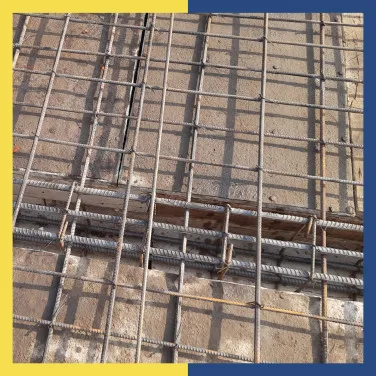
In monsoon-prone regions, persistent water saturation can weaken concrete and corrode internal steel rebar, causing the material to expand and create significant structural cracks from within. In monsoon-prone regions, water can easily enter your walls if they aren’t properly waterproofed. This water pressure affects your walls’ interior linings and causes recurring cracks. Addressing moisture damage requires both adequate waterproofing and drainage solutions.
Poor Construction Practices
Not following the correct construction process, inadequate curing time, poor material quality or workmanship, etc., can create weaknesses from the very start. These vulnerabilities later manifest as structural cracks.
Overloading and Structural Stress
Adding floors or heavy elements beyond the design capacity adds undue pressure to walls. Structural cracks develop frequently when buildings bear loads that they weren’t engineered for.
Step-by-Step Guide to Assessing Cracks in Your Home
You do not need to diagnose every crack yourself. A careful initial assessment can, however, help you decide whether to monitor it, arrange a straightforward repair, or seek professional advice for structural crack repair. Here is a practical way to approach this process.
Visual Inspection Checklist
Locate the crack, measure its width, then determine whether it is vertical, horizontal, or diagonal. Does it penetrate through the surface or stay on the paint/plaster? Note any discolouration, peeling paint, dampness, or mould. Photograph everything for professional reference.
Measuring and Monitoring Crack Progression
Place a tape across the crack and mark its endpoints with a pen. Check the crack every month to see whether the crack has grown beyond your markings. Maintain a log of any changes you spot. This documentation can be helpful during professional consultations.
When to Call a Structural Engineer
Professional evaluation is a must when cracks exceed 3mm, show growth, run horizontally, or appear in load-bearing walls. Stair-step patterns, diagonal cracks, and symptoms such as sticking doors/windows all warrant professional inspections.
Repair Methods for Structural Cracks

An appropriate structural crack repair method can be selected once the cause of the damage has been identified. The treatment needs to match the surface material, location, and severity of the crack. Below are some methods to consider.
Crack Injection and Epoxy Repair
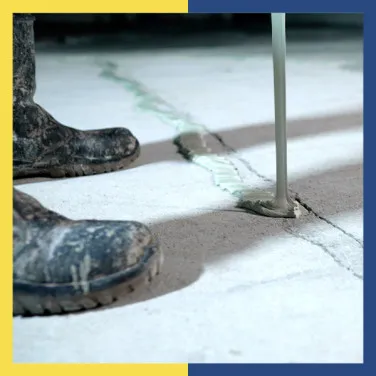
For concrete structural cracks, injection grouting fills internal voids and restores strength. Epoxy repairs the fractured concrete sections, but this solution is best for relatively recent cracks.
Repointing and Masonry Repair
For brick or stone masonry, repointing involves removing damaged mortar and replacing it with properly formulated mortar.
Foundation Underpinning Solutions
When foundation settlement causes structural cracks, underpinning to restore stability is the solution. However, this work requires professional structural engineering and can be expensive. Properly performing this process can permanently resolve issues with your home’s foundation.
Surface Repair for Non-Structural Cracks
Once the underlying structural issues have been fixed, you can start fixing the visible surface-level cracks. Widen the crack, remove loose material, apply flexible repair compounds, and waterproof the surface to prevent moisture entry.
Repair Methods for Surface Cracks
Once a professional assessment confirms that a crack is stable and does not affect the structure, there are a few effective crack repair methods that you can consider:
Filling and Patching Techniques
Standard wall putty works well for hairline cracks. When fixing cracks in drywall, larger cracks should be widened slightly before applying a patching compound. Allow the compound to dry completely, sand the surface smooth, and then repaint it.
Plastering and Finishing
For larger surface cracks, apply cement-based plaster to fill the damaged areas. Keep it dry during curing to prevent moisture damage. Once dry, sand smooth and repaint the surface.
Waterproofing Solutions
After repairing surface cracks, apply quality waterproofing. Even modest cracks permit moisture penetration. Waterproofing prevents minor cracks from escalating into serious problems.
Prevention Tips: How to Avoid Structural Cracks
You cannot prevent every small crack caused by normal wear and tear. However, regular maintenance and timely repairs can reduce the likelihood of minor problems becoming more serious. Consider the following when caring for your home.
Proper Foundation Maintenance
Regular foundation inspections can catch structural issues before they start causing cracks. You should also address any drainage or waterproofing concerns immediately. Ensure that water always flows away from your foundation.
Moisture Control and Waterproofing
Apply quality waterproofing to exterior walls and roofs. Ensure that your gutters and downpipes function properly. Consider waterproofing solutions for ceiling cracks to address any water leaks promptly. Persistent dampness weakens materials and causes structural cracks.
Quality Construction Practices
Always prioritise proper construction techniques and let the concrete cure before adding any new elements. Additionally, ensure your home is built with high-quality materials; avoid using poor materials just to cut costs. Also, incorporate expansion joints where necessary. A well-constructed home will cost you less than paying for extensive structural crack repairs in the future.
Cost Considerations for Crack Repair in India
Repair costs vary because the types of cracks in buildings range from fine plaster marks to foundation damage. Instead of looking only at the visible length of a crack, consider the work needed to address its cause.
DIY Repair Costs
Repairing surface cracks yourself with wall putty is usually the cheapest option. While this works well for hairline cracks, attempting DIY structural crack repair is unwise and will only lead to additional costs when cracks reappear.
Professional Repair Cost Estimates
Professional structural crack repair costs vary depending on the required repair procedure. Minor crack injections cost several thousand rupees, while foundation underpinning can be substantially more expensive.
When Professional Intervention Is Worth the Investment
Any crack that exceeds 3 mm in width, shows active growth, or suggests foundation problems needs to be repaired by a professional. While the upfront cost is higher, ignoring structural cracks can be far more expensive as the cracks worsen over time.
FAQs
Q1: What is the difference between structural cracks and surface cracks?
Structural cracks affect the load-bearing elements of your home and indicate safety risks. On the other hand, surface cracks are cosmetic and affect only the plaster or paint layer.
Q2: How can I tell if a crack in my wall is serious?
Look for width (over 3mm), pattern (diagonal, horizontal, or stair-step), and location (near doors, windows, or foundations). These are signs of structural cracks.
Q3: Can structural cracks be repaired, or do they require rebuilding?
Most structural cracks can be repaired using methods like injection grouting or underpinning. Rebuilding is only necessary in extreme cases of total structural failure.
Q4: What causes horizontal cracks in walls?
Horizontal cracks are usually caused by soil pressure, foundation movement, or water saturation. They are a clear sign of structural cracks.
Q5: Are hairline cracks in new buildings normal?
Yes, hairline surface cracks are common in new buildings due to settlement and drying materials. They are usually not structural.
Q6: How much does it cost to repair structural cracks in India?
Costs vary from a few thousand rupees for minor injection grouting to lakhs for foundation underpinning. It depends on the severity of the structural crack.
Q7: Should I repair cracks before monsoon season?
Repairing cracks, especially structural cracks, before the monsoon prevents water seepage, which can worsen the damage and lead to corrosion.
Q8: What width of crack requires professional inspection?
Any crack a professional should inspect should be wider than 3mm. Cracks of this size are likely structural and need expert diagnosis and repair.
Get Professional Waterproofing Solutions Today
Fill The Form below to took free site evaluation by Dr. fixit point safe painting service expert




Get Professional Waterproofing Solutions Today
Fill The Form below to took free site evaluation by Dr. fixit point safe painting service expert
