Below Ground Waterproofing


Below Ground Waterproofing Knowledge
-
What waterproofing methods suit basements in Indian soil conditions?
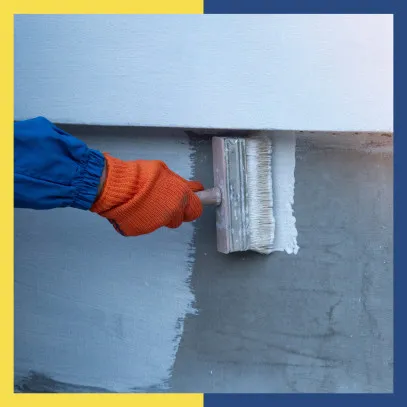
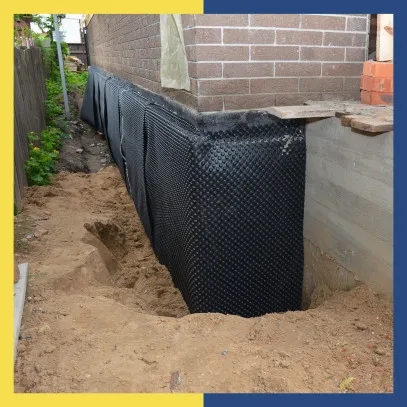
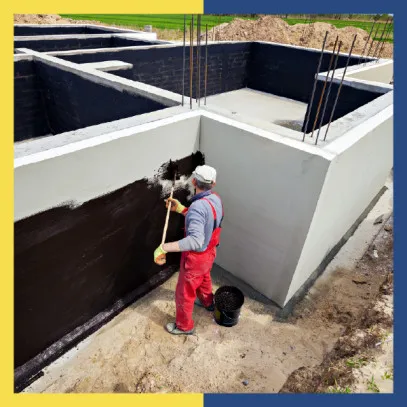
Dr. Fixit's basement waterproofing methods account for the variable soil and groundwater conditions found across India, from high water-table coastal areas to drier inland regions with expansive clay soils, both of which put different kinds of pressure on basement walls. Applying waterproofing from the outer face of the wall during construction generally offers stronger protection against groundwater than treating it from inside afterward. Integral waterproofing compounds added to the concrete mix provide an additional layer of resistance suited to challenging soil conditions.
-
How is a retaining wall waterproofed during construction?
Dr. Fixit waterproofs retaining walls by treating the soil-facing side of the wall before backfilling, since this surface will be in constant contact with damp earth and, in some cases, groundwater pressure after construction. A waterproofing coating or membrane system is applied to the cleaned concrete, with special attention to any construction joints where sections of the wall meet. Since retaining walls become inaccessible once backfilled, Dr. Fixit recommends treating and inspecting the waterproofing thoroughly before the excavation is closed up.
-
How are lift pits and other underground structures waterproofed?
Dr. Fixit waterproofs lift pits and similar underground structures using systems designed to resist constant groundwater pressure, since these areas sit below the water table in many sites and face continuous moisture exposure from all sides. Integral waterproofing compounds mixed into the concrete during construction, combined with surface coatings on internal walls and floors, provide layered protection against water ingress. Because a lift pit is difficult to access for repairs once equipment is installed, getting the waterproofing right during construction is especially important.
-
What waterproofing solutions are used for basements?
Dr. Fixit's basement waterproofing solutions are designed to withstand continuous groundwater pressure and soil moisture, applied to walls and floors either from the inside as a retrofit or, preferably, from the outside during construction for more effective protection. Integral waterproofing compounds mixed into the concrete add an additional layer of resistance from within the structure. Because basement leaks are harder to diagnose and repair once the building is complete, Dr. Fixit recommends addressing waterproofing at the construction stage wherever possible rather than after occupation.
-
Would Dr. Fixit Bitufix protect interior walls from efflorescence?
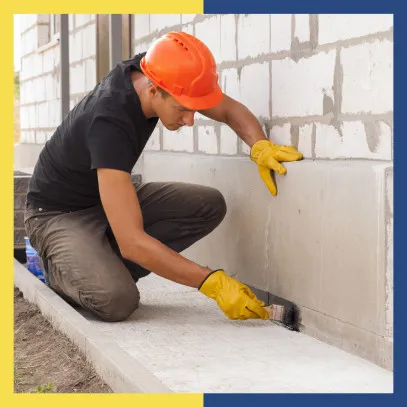
Yes, if coated on the plinth beam of the foundation this compound creates a barrier, for the movement of water. Thus preventing any efflorescence from coming on the walls.
Testimonials
-
 Great company. All my requirements were taken care off. Give complete solution for the problem. Would definitely recommend all of you for there services.
-
While constructing my new home in Kashmir, I was informed about the 5 point leak free solutions related to waterproofing.
I got all the areas waterproofed at a nominal cost when compared to the overall material used. The service was prompt and I have assured a home which will sustain for years to come.
Hope this holds true!
-
Prompt service by the Dr Fixit team in waterproofing my new home in Gwalior, they came for inspections and also provided a trained applicator from their end.
Quite happy with their services and commitment.
-
Awesome services - My House was waterproofed 3 years back & still I don't have any issues. Cost-effective products.