
Roof Coating Materials Compared: Choose the Best Option
Roof Coating Materials Compared: Which One Is Best for Your Home?
Roof coating materials form a seamless waterproof membrane that protects roofs from rain, UV exposure, standing water, temperature changes, and surface cracks. The right coating depends on the roof surface and climate, with each option having its own pros and cons. Proper surface cleaning, compatible primers, correct coating thickness, suitable weather conditions, and adequate curing are essential for long-lasting performance. Regular inspections, drain cleaning, timely crack repairs, and recoating can extend the roof’s lifespan while reducing repairs and replacement costs.



Table of Contents
- What Are Roof Coating Materials?
- Types of Roof Coating Materials in India
- Key Benefits of Applying Roof Coating Materials
- How to Choose the Right Roof Coating Material for Your Home
- Comparing Popular Roof Coating Materials: Pros and Cons
- Roof Coating Materials for Indian Climate Conditions
- Application Process: What to Expect
- Common Mistakes to Avoid When Applying Roof Coatings
- Maintenance and Longevity of Roof Coating Materials
- Cost Comparison of Roof Coating Materials in India
- FAQs
Your roof protects your home from scorching summer heat, heavy monsoon rain, standing water, and constant temperature changes. To survive these conditions and last longer, your roof needs a protective layer created by roof coating materials.
But what are those, and which one should you choose? Here’s a comparison of various roof coating materials so you can make an informed choice.
What Are Roof Coating Materials?
A comprehensive guide to waterproof coatings begins with understanding what roof coatings are and how they protect different roofing surfaces.
Roof coating materials are specialised, highly fluid liquid membranes that are applied over existing roofing substrates, such as concrete slabs or metal sheets. Upon curing, they form a seamless, elastic, and fully adhered membrane that seals gaps and protects your roof.
How Roof Coatings Differ from Paint
Paint is designed for aesthetics. It adds colour and provides some surface protection. However, paint doesn’t establish a moisture barrier between your roof and the surrounding environment. When exposed to constant moisture and UV rays, it peels, blisters, and fails to prevent water infiltration.
A waterproof roof coating, on the other hand, is engineered with specialised polymers and additives that allow it to flex without cracking and resist water penetration.
Why Roof Coatings Matter for Indian Homes
India’s climate presents unique challenges for roofs. Whether you live in monsoon-prone coastal areas or places with extreme temperature fluctuations, your roof faces constant stress. Water seepage leads to mould growth, compromises structural integrity, damages electrical systems, and can even cause ceilings to collapse.
A proper roof coating material protects against all these issues while being more affordable than a complete roof replacement.
Types of Roof Coating Materials in India

The following types of roof coating are available for you to choose from:
Acrylic Roof Coatings
This type of coating can be used on both concrete and flat roofs. Acrylic coatings are resistant to UV rays and can reflect sunlight, protecting your roof’s surface from damage caused by sun exposure. As a result, they are suitable for warm climates.
Silicone Roof Coatings
These coatings offer excellent water resistance and are useful for flat roofs where rainwater may remain on the surface for longer periods.
Polyurethane Roof Coatings
This type of coating tends to have strong adhesive properties and is highly resistant to wear. They are often considered for terraces or roofs that receive regular foot traffic.
Elastomeric Roof Coatings
Elastomeric coatings form a flexible membrane over the roof. This flexibility allows the coating to accommodate expansion and contraction caused by temperature changes.
Bituminous (Asphalt-Based) Roof Coatings
Bituminous coatings create a strong barrier against water and have traditionally been used on older roofs and industrial structures. They are also a good choice if you need a thick barrier against water that can withstand harsh weather.
Cementitious Waterproof Coatings
Cementitious coatings are generally used on concrete and masonry surfaces. They are easy to apply and bond well with cement-based substrates. This roof coating material can be useful where dependable waterproofing is required on compatible concrete surfaces.
Key Benefits of Applying Roof Coating Materials
Roof coating materials deliver multiple advantages:
Extended Roof Lifespan
The best roof coating can extend your roof’s life by 5-10 years or more, delaying the cost of a complete roof replacement. By protecting the surface from moisture, your roof remains preserved for much longer.
Heat Reflectivity and Energy Savings
Roof coating materials feature reflective properties that reduce heat absorption. Heat-reflective coatings can lower roof surface temperatures by up to 10°C, reducing cooling costs and improving indoor comfort. In India's hot climate, it can help you save on electricity bills.
Waterproofing and Monsoon Protection
A quality waterproof roof coating is your home’s best defence against monsoons. By preventing water seepage at its source, these roof waterproofing solutions protect ceilings, walls, electrical systems, and furniture from moisture damage during rains.
Cost-Effective Alternative to Roof Replacement
Roof replacement can cost tens of thousands of rupees. A roof coating material application costs a fraction of that while providing years of additional protection. It’s one of the most cost-effective investments you can make.
How to Choose the Right Roof Coating Material for Your Home

Selecting the ideal roof coating material requires the following considerations:
Consider Your Roof Type (Concrete, Metal, Tile)
- Different roof materials require different coatings.
- Concrete roofs benefit from elastomeric or acrylic coatings that bridge cracks effectively.
- Metal roofs need coatings with anti-corrosive properties and strong adhesion to prevent rust.
- Tiled roofs require tile-specific coatings that protect against water infiltration while maintaining appearance.
- Flat roofs are best served by silicone or liquid-applied membranes that handle ponding water.
Evaluate Your Climate and Weather Conditions
Your local climate determines which roof coating material will perform well. Monsoon-prone regions need coatings with superior water resistance. Hot, dry areas benefit from heat-reflective coatings that reduce surface temperature. Coastal regions require humidity-resistant options that prevent salt corrosion.
Assess Your Budget and Warranty Needs
The price of roof coatings varies. Acrylic coatings are most affordable, while silicone and polyurethane cost more but last longer. Consider not just initial cost but long-term value. A higher roof coating price for a coating lasting 12 years often beats cheaper options that require recoating every 5 years.
Check Compatibility with Existing Roof Surface
Before application, ensure the roof coating material you choose is compatible with your existing roof surface. Some coatings adhere poorly to certain substrates or require specific primers. Professionals assess the surface before recommending a product.
Comparing Popular Roof Coating Materials: Pros and Cons
Here is how these options compare in everyday applications:
Acrylic Coatings: Affordable and UV-Resistant
Acrylics offer excellent resistance to UV radiation, zero toxic emissions, and simple water clean-up. Acrylic coatings offer the most affordable roof coating price per square foot. However, they are less suited for continuous ponding water compared to silicone systems.
Silicone Coatings: Best for Ponding Water and Heavy Rainfall
Silicone coatings excel on flat surfaces where rainwater accumulates for over 48 hours. They do not soften or degrade in standing water. On the downside, they tend to attract airborne dirt over time and are more difficult to re-coat in the future.
Polyurethane Coatings: Maximum Durability and Impact Resistance
Polyurethane provides superior wear resistance, making it ideal for terraces that handle regular social gatherings or heavy maintenance work. While the material cost is higher, its toughness and impact resistance justify the investment for active spaces.
Elastomeric Coatings: Flexibility for Thermal Expansion
Elastomeric systems can stretch with building expansion and contraction without tearing, helping bridge cracks while maintaining waterproof protection. Products such as Dr. Fixit Roofseal Classic combine this flexibility with nanofibre reinforcement and heat-reflective properties, reducing roof surface temperature by up to 10°C under suitable conditions. This makes elastomeric coatings a balanced choice for flexibility, waterproofing, and heat reduction.
Roof Coating Materials for Indian Climate Conditions

India’s climate varies by region. Your choice should therefore reflect the specific conditions around your home rather than relying on one universal solution.
Best Coatings for Monsoon-Prone Regions
For areas with heavy rainfall, silicone or liquid rubber membranes are the best roof coating choices. Their ability to handle standing water ensures that your roof remains leak-free even during prolonged downpours.
Heat-Reflective Coatings for Hot, Sunny Climates
In the scorching heat of summer, reflective acrylic or elastomeric coatings are essential. These roof coating material options have high Solar Reflectance Index (SRI) values, reducing roof surface temperature and keeping interiors cool.
For instance, Dr. Fixit Roofseal Classic is a heat-reflective elastomeric waterproof coating. It forms a flexible membrane that provides both heat reflectivity and waterproofing. Moreover, this product is also non-toxic and VOC-compliant. This makes it a suitable option for homes and buildings exposed to prolonged sunlight and high temperatures.
Humidity-Resistant Options for Coastal Areas
Coastal regions require coatings that resist mould, algae, and salt corrosion. Look for products with anti-fungal properties and high durability against salt spray. Elastomeric coatings with reinforced fibres perform well in these harsh conditions.
Application Process: What to Expect
Professional application of a roof coating material follows a systematic process explained below.
Surface Preparation and Cleaning
The most critical step for any roof waterproofing for new construction is cleaning. Dust, debris, algae, and loose particles must be removed. Any existing bitumen or loose paint must be stripped away to allow for proper adhesion.
Primer Requirements for Different Substrates
Many systems require a primer to ensure the coating bonds effectively. For metal roofs, an anti-corrosion primer is essential. Concrete roofs may need a bonding primer to seal the surface. Always follow the manufacturer’s guidelines for primer application.
Application Methods (Brush, Roller, Spray)
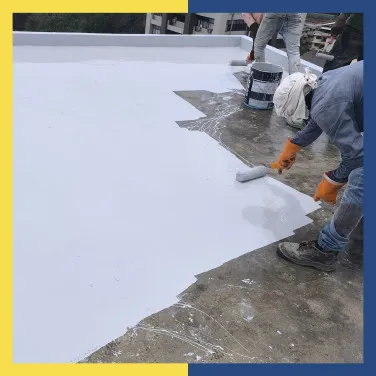
Coatings can be applied using brushes, rollers, or spray equipment. Brushes and rollers are common for DIY projects or small areas, while spray application is faster and more uniform for large roofs. The choice depends on the coating type and the roof's complexity.
Curing Time and Weather Considerations
Allow sufficient time for the coating to cure. Most products require 24-48 hours of dry weather to set properly. Avoid application during rain or extreme heat, as these conditions can affect the curing process and the final quality of the film.
Common Mistakes to Avoid When Applying Roof Coatings

Even the best roof coating will fail prematurely if applied incorrectly. Avoid these frequent application mistakes:
Skipping Surface Preparation
Applying coatings over dirty or flaking surfaces destroys adhesion, leading to blistering and peeling after the first rainstorm.
Applying Coating in Wrong Weather Conditions
Applying liquid membranes under direct midday sun above 35°C causes rapid skinning and solvent trapping, while applying in high humidity prevents proper polymer curing.
Using Incompatible Materials
Applying solvent-based coatings directly over fresh asphalt or unremoved silicone sealants leads to adhesion failure. Always verify chemical compatibility before application.
Ignoring Manufacturer Coverage Guidelines
Spreading material too thin to save money compromises the dry film thickness (DFT). To guarantee leak-proof performance, strictly follow forced consumption rates to achieve the specified micron thickness.
Maintenance and Longevity of Roof Coating Materials
Regular maintenance ensures your investment lasts.
How Long Do Different Coatings Last?
The lifespan of roof coating materials depends on application quality and maintenance. In general, acrylic coatings last 5-10 years; silicone, polyurethane, and elastomeric options can last 10-15 years; and premium systems with warranties can last 12 years or more.
Routine Inspection and Cleaning Tips
Inspect your roof twice yearly, especially before and after monsoon season. Remove debris and algae promptly. Keep drains and gutters clean to prevent water accumulation. Clean surfaces gently using mild detergent, as harsh scrubbing damages coatings. Address cracks immediately before they expand.
When to Recoat Your Roof
Monitor your coating’s condition. When you notice peeling or recurring water stains, a recoat might be necessary. Whether your roof coating material needs complete or partial renovation can only be determined by a professional, so consult one first before making any major decisions.
Cost Comparison of Roof Coating Materials in India
Here’s what you need to know about the price of roof coating:
Material Cost Per Square Foot
Acrylic coatings are generally the most affordable, followed by cementitious and bituminous options. Silicone and polyurethane coatings are premium products with higher material costs.
Labour and Application Costs
Professional application adds to the cost but ensures quality. Labour costs can vary based on roof complexity, height, weather conditions, and the labourers’ experience in installing roof coating materials.
Long-Term Value and ROI
While the initial price of roof coating may vary, the long-term savings on repairs and replacements make it a high-ROI investment. A waterproof roof coating pays for itself by preventing costly water damage for years to come.
FAQs
Q1: Which roof coating material is best for homes in India?
The best roof coating depends on your specific needs. For heat reflection, acrylic is great. For heavy rain, silicone is superior. For durability, polyurethane is ideal.
Q2: How long does roof coating material last?
Most coatings last between 10 and 20 years, depending on the type and maintenance. Check for product specifications before choosing one for your roof.
Q3: Can I apply roof coating material myself, or should I hire a professional?
While DIY is possible for small areas, hiring a professional ensures proper surface preparation and application, leading to better longevity.
Q4: What is the difference between elastomeric and acrylic roof coatings?
Elastomeric coatings are more flexible and can bridge larger cracks, while acrylics are more cost-effective and UV-resistant but less flexible.
Q5: Do roof coatings really reduce heat and lower electricity bills?
Yes, reflective roof coating materials can reduce surface temperatures by up to 10°C. This lowers cooling costs.
Q6: Which roof coating is best for flat roofs that collect water?
Silicone coatings are the best choice for flat roofs with ponding water due to their superior water resistance.
Q7: Can roof coating materials be applied over existing coatings?
Yes, but only if the existing coating is compatible and properly prepared. Always check manufacturer guidelines.
Q8: What should I look for in a quality roof coating product?
Look for UV resistance, flexibility, warranty length, and compatibility with your roof type. A good waterproof roof coating should also have high solar reflectance to keep your home cool.
Get Professional Waterproofing Solutions Today
Fill The Form below to took free site evaluation by Dr. fixit point safe painting service expert


Renovation
Questions you should ask a society manager about building repairs before buying an apartment







Renovation
Protect your living space: Difference between a weatherproof and waterproof house


Renovation
How to safeguard your home with waterproofing during the rainy season in India





Get Professional Waterproofing Solutions Today
Fill The Form below to took free site evaluation by Dr. fixit point safe painting service expert
