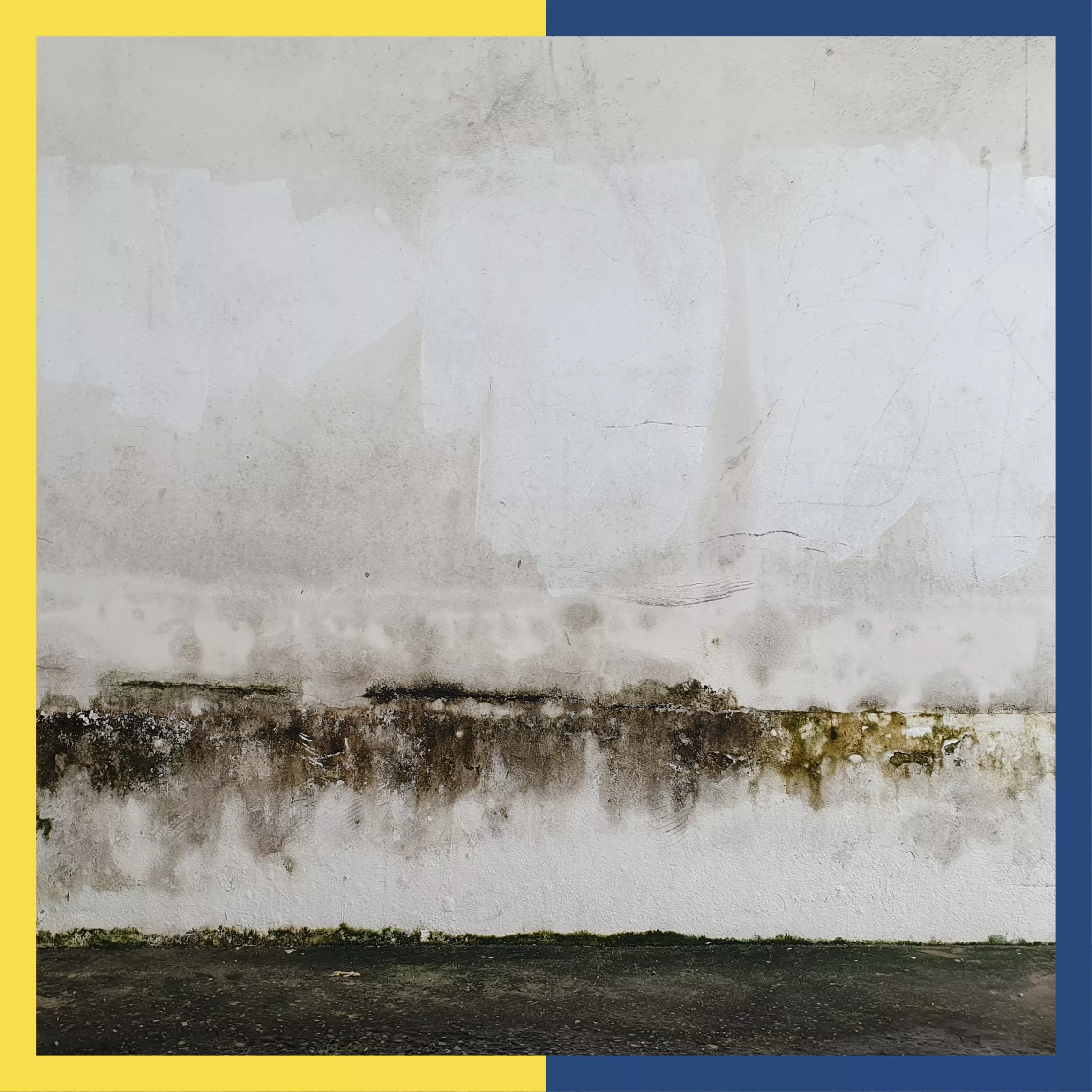
Water seepage explained with prevention and solutions
Understanding water seepage: Causes, solutions, and preventive measures
Water seepage is a serious issue that can compromise the structural integrity of your home. This article explains the various causes of seepage, including natural factors like heavy rainfall and high humidity, as well as construction-related issues such as poor materials, faulty plumbing, and design flaws. It also discusses how water seepage leads to mould and mildew growth, which can harm both the property and your health. Practical solutions, such as waterproofing, sealing cracks, and plumbing maintenance, are provided, along with preventive measures like using natural plasters and consulting professionals.



Table of Contents
- What is water seepage?
- Causes of water seepage
- Natural causes
- Construction-related causes
- How water seepage damages your home
- How water seepage leads to mould and mildew
- Solutions to water seepage: Effective prevention and repair
- Additional solutions and preventive measures
- Conclusion
- Frequently Asked Questions
Water seepage is a common yet often overlooked issue that can have long-lasting consequences on the livability of a home. Though it may seem like a minor inconvenience initially, it can quickly escalate into a significant concern. If left unchecked, it can cause severe damage, including weakened walls, compromised structural supports, mould growth, and extensive repair costs. Early detection and intervention are essential in safeguarding your home. Recognising common signs such as watermarks, discolouration on surfaces, and bubbling paint can alert homeowners to the presence of leakages. In this article, we will examine the causes of water seepage and its detrimental effects on homes and provide a comprehensive guide to the most effective solutions for addressing this issue.
What is water seepage?
Water seepage refers to the unwanted and often unnoticed movement of water into a building through porous materials, cracks, or joints in walls, ceilings, floors, and roofs. It occurs when external water, such as rainfall or groundwater, infiltrates the building’s structure. This seepage could be a gradual process, leading to long-term damage that may not be visible at first. The causes could vary from structural weaknesses, such as unsealed cracks or improperly installed materials, to a lack of adequate wall seepage treatment.Water seepage can lead to major issues such as weakened foundations, compromised insulation, and the growth of mould and mildew, all of which have the potential to undermine the building’s stability and health.

Causes of water seepage
The causes can be broadly categorised into natural factors and issues related to construction/design quality (manmade). Both external environmental conditions and inherent design flaws contribute to the infiltration of water into a building’s structure. Understanding these causes is key to implementing effective wall leakage solutions and preventing the recurrence of seepage.
Natural causes

- Prolonged sunlight exposure:
Buildings that are subjected to continuous exposure to intense sunlight are more prone to developing surface cracks and material degradation. Over time, prolonged ultraviolet (UV) radiation can break down the protective layers of plaster, causing microcracks that allow water to seep through. These cracks, often invisible to the naked eye, can worsen during rainy seasons, letting water infiltrate the building and damage the walls, ceilings, and floors. Water seeping through walls in such cases often worsens as the cracks expand.
- High humidity:
Humidity plays a crucial role in the occurrence of damp spots and seepages. In regions with high moisture levels in the air, building materials like plaster, brick, and mortar tend to absorb excess moisture. This absorption of moisture makes these materials more susceptible to dampness, weakening the structure and facilitating water seepage in walls. The combination of high humidity and poor ventilation creates an environment where water can slowly enter the walls and ceilings, eventually leading to structural damage and other associated issues.
- Heavy rainfall:
Excessive rainfall is a leading cause of water seepage. During heavy downpours, water can accumulate around the foundation of a building if drainage systems are not functioning properly. Once the ground becomes saturated, water may find its way through cracks or gaps in the walls, flooring, or roof. Water seeping through walls can occur quickly, causing extensive damage if the building is not adequately protected. When drainage systems are inadequate or clogged, water may also seep into basements or lower floors.
Construction-related causes

Inferior construction materials: The use of low-quality building materials is one of the primary culprits behind water seepage. Materials that are not designed to withstand moisture, such as weak bricks, inferior plaster, and substandard cement, can facilitate water infiltration. Water seepage in walls is a common result of such construction flaws, leading to gradual erosion of the building materials.
- Inferior construction materials:
The use of low-quality building materials is one of the primary culprits behind water seepage. Materials that are not designed to withstand moisture, such as weak bricks, inferior plaster, and substandard cement, can facilitate water infiltration. Water seepage in walls is a common result of such construction flaws, leading to gradual erosion of the building materials.
- Faulty plumbing:
One of the most common internal causes of water seepage is faulty or ageing plumbing systems. Leaky pipes, damaged water supply lines, and improperly installed drainage systems can lead to significant leakages over time. Continuous leakage from plumbing systems not only results in water seeping through walls but also leads to the deterioration of the plaster and paint, creating an environment conducive to mould and mildew growth. Homeowners should ensure their plumbing systems are well-maintained to prevent these issues.

- Inadequate waterproofing:
During construction, it is vital to implement effective waterproofing measures to safeguard the building from potential seepage. Inadequate waterproofing - whether in the form of insufficient sealant application or the lack of water-resistant materials - can leave parts of the building vulnerable to water seepage. Areas such as the roof, basement, and terraces require particular attention to ensure waterproofing is thoroughly applied. Without proper waterproofing, buildings are more susceptible to long-term damage caused by persistent water seepage.
- Bad quality of workmanship:
Poor construction practices, such as poorly constructed joints, improper alignment of bricks, and inadequate plaster thickness, contribute to structural weaknesses where water seepage can occur. These deficiencies create pathways for moisture to infiltrate the structure, leading to long-term damage.
- Design flaws:
Design is arguably the most crucial element in determining the success of a home in preventing water seepage. A well-thought-out design is built with the foresight to withstand external elements, ensuring that the structure remains protected from the damaging effects of moisture infiltration. On the other hand, a bad design is inherently flawed and destined to fail in multiple dimensions.

Poorly designed architectural features, such as lack of overhangs, inadequate slopes, or improper positioning of drainage systems, contribute to water infiltrating the building rather than being diverted away. Without proper drainage channels, rainwater may pool around the foundation or seep into the walls. Similarly, poorly designed sloping roofs can trap water, causing it to stagnate and seep into ceilings and walls.
When designs fail to account for external weathering factors, the home becomes vulnerable to the elements, leading to long-term issues such as water seepage in walls, ceiling damage, and deterioration of the overall structure. Water seepage becomes an inevitable concern in homes with such design flaws, as there’s little in the architecture that deflects or prevents the forces of water infiltration.
Careful planning, attention to detail, and adaptation to local weather patterns are key to creating a home resilient against water seepage. The integration of waterproofing, proper drainage systems, and suitable building materials ensures that the home is not just aesthetically pleasing but structurally sound against the ravages of water.
How water seepage damages your home
Water seepage can be a silent destroyer of a building’s structural integrity. Over time, untreated leakages can lead to extensive damage that threatens the safety and comfort of the home. The effects of this can often be far-reaching:
- Weakened plaster and walls:
Continuous exposure to moisture weakens plaster, which may begin to flake, crumble, or crack. This degradation can significantly reduce the overall strength of the walls, making them more vulnerable to further damage.
- Corrosion of steel reinforcements:
Continuous water exposure can lead to the rusting and deterioration of steel reinforcement bars (rebars) embedded within concrete walls or floors. As water penetrates the structure, it reacts with the steel, causing rust formation that weakens the structural support.
- Foundation damage:
In some cases, if water reaches the foundation, it can compromise the integrity of the entire structure. Continuous water infiltration can erode the foundation, causing it to shift or crack, which may lead to costly repairs.
- Growth of mould and mildew:
The most concerning consequence of water seepage is the potential for mould and mildew to develop in the damp conditions it creates. Mould and mildew thrive in hidden, dark areas like behind walls or underneath floors, contributing to further damage and posing health risks such as respiratory issues and allergic reactions.

How water seepage leads to mould and mildew
The moisture from seepages creates an ideal breeding ground for mould and mildew, which can spread rapidly and affect indoor air quality. These fungi thrive in the damp, dark, and warm environments created by water seepage. If left untreated, mould can cause irreversible damage to building materials, weaken the structural integrity, and even reduce the value of the property. Moreover, mould growth poses serious health risks, especially for people with asthma, allergies, or weakened immune systems. Preventing water seepages is essential not only for the structural health of your home but also for the well-being of its inhabitants.

Solutions to water seepage: Effective prevention and repair
Addressing water seepage requires a combination of preventive measures and effective repair techniques. Whether you are dealing with minor seepage or more significant issues, the following solutions can help mitigate the problem.
- Waterproofing your house:
Waterproofing is the first line of defense against water seepage. Applying high-quality waterproof coatings to walls, ceilings, and floors helps create a barrier that prevents water from infiltrating the building. Specialised waterproofing products are available for various surfaces, including roofs, terraces, and basements. Ensuring proper waterproofing during construction can save homeowners from costly repairs in the future.
- Sealant and crack fillers:
Sealing cracks and joints with high-quality sealants is an essential step in preventing water seepage. Proper sealing not only prevents water from entering through cracks but also helps reduce the pressure on the building materials. It is essential to choose sealants that are durable and can withstand the external forces of weather and water.
- Roof repairs and maintenance:
Regular inspection and maintenance of the roof can prevent water seepage caused by clogged gutters, damaged shingles, or improper drainage systems. IllEnsuring that the roof is in good condition is crucial to avoiding the accumulation of rainwater, which can lead to water seeping through walls or ceilings.
- Use of water-resistant paints:
Applying water-resistant paints is an effective method to prevent seepage in interior and exterior walls. These paints create a protective layer that repels moisture and reduces the chances of damage caused by water infiltration.
- Plumbing maintenance and repairs:
Routine plumbing inspections are crucial for identifying potential leaks or issues before they escalate. Fixing faulty plumbing systems and replacing damaged pipes can prevent the seepage caused by internal leaks.
Additional solutions and preventive measures
- Use of natural plasters:
Natural plasters, such as lime plaster, are highly effective in regulating moisture levels within walls. These eco-friendly plasters allow walls to breathe, reducing the chances of seepage and maintaining a healthy indoor environment.
- Professional help and consultation:
For severe water seepage issues, consulting a professional is recommended. An expert can assess the extent of the damage, identify the root causes, and provide tailored solutions to restore the home’s integrity.
Conclusion
Early identification of leakages and immediate corrective action are essential to protect your home from long-term damage. Preventive measures such as waterproofing, regular plumbing maintenance, and routine inspections are key to safeguarding your property. By consulting professionals for significant issues, you can ensure effective seepage treatment and secure the long-term durability of your home. Don’t wait until the damage is severe - take action now to protect your home from the adverse effects.
Frequently Asked Questions
- Can paint prevent wall seepage issues in flats?
Water-resistant paints can help reduce the visual impact of water seepage, particularly in mild cases. These paints act as a temporary barrier against moisture and can be beneficial in preventing minor dampness or staining on walls. However, they cannot address the root causes of wall seepage, such as structural cracks, poor drainage systems, or faulty plumbing. For more severe seepage issues, it’s essential to implement proper waterproofing techniques along with regular maintenance. Consider using specialised waterproof coatings and sealants in combination with adequate seepage treatment for long-lasting results.
- How can I hide wall seepage?
While it is possible to hide the visible signs of wall seepage, such as discolouration and stains, using cosmetic methods like paint, wallpaper, or tiles, this does not address the underlying issue. These temporary fixes may improve the appearance but won't stop the water from seeping through walls. For a more permanent solution, it’s necessary to identify the root cause, such as leaks in plumbing, cracks in the walls, or poor waterproofing, and apply wall seepage treatment. Correcting the structural issues and performing waterproofing measures is key to preventing the recurrence of wall leakage.
- Does ventilation prevent seepage in walls?
Proper ventilation is an important preventive measure in controlling moisture levels within a building, and it can help reduce the risk of seepage caused by humidity. Good airflow ensures that areas prone to dampness, such as bathrooms, basements, and kitchens, remain dry, thereby minimising the conditions favourable for water ingress. While ventilation can be part of a comprehensive approach to preventing water seepage in walls, it is not a standalone solution. Additional measures such as waterproofing, proper drainage, and addressing any cracks or leaks are crucial in preventing long-term seepage.
- How do you fix a water leak?
Fixing a water leak requires a methodical approach. First, identify the source of the leakage - whether it's from faulty plumbing, cracks in the walls, or roof issues. In the case of plumbing leaks, you may need to repair or replace damaged pipes. For cracks in walls, the best course of action is to use high-quality sealants and fillers to stop water seepage in walls. If the issue stems from inadequate waterproofing, applying the right waterproofing materials to vulnerable areas (such as the foundation, basement, or roof) is essential. It’s important to consult a professional if the leak is extensive or difficult to locate, as they can conduct a thorough inspection and offer appropriate seepage treatment.
- What are the most common causes of water seepage?
There are several common causes, both natural and construction-related in nature:
- Faulty plumbing:
Leaks from pipes, faucets, or water tanks can allow water to seep through walls and ceilings. Poorly maintained plumbing systems are often a leading cause of water seepage in walls.
- Inferior construction materials:
Using substandard materials, such as weak bricks or poor-quality plaster, can lead to cracks and porous surfaces that allow water to seep through.
- Heavy rainfall and flooding:
Excessive rainfall or poor drainage around the foundation can overwhelm the building’s structure, causing water seeping through walls and floors.
- High humidity and moisture:
In areas with high humidity, building materials may absorb moisture, which can lead to damp walls and the growth of mould and mildew.
- Inadequate waterproofing:
One of the primary causes of water seepage is inadequate or improper waterproofing during the construction phase. This includes failing to use effective water-resistant coatings, sealing cracks, or neglecting important areas like basements or terraces.
Addressing these issues at the earliest is essential to avoid further wall leakage and minimise the cost of repairs.
Get Professional Waterproofing Solutions Today
Fill The Form below to took free site evaluation by Dr. fixit point safe painting service expert


Renovation
Questions you should ask a society manager about building repairs before buying an apartment




Renovation
Protect your living space: Difference between a weatherproof and waterproof house


Renovation
How to safeguard your home with waterproofing during the rainy season in India




Get Professional Waterproofing Solutions Today
Fill The Form below to took free site evaluation by Dr. fixit point safe painting service expert
