
Wall Seepage: Causes, Signs & Permanent Solutions
Wall Seepage: Causes, Warning Signs & Permanent Solutions
Wall seepage is the slow movement of water through cracks, porous materials, weak joints, or damaged waterproofing, and it can cause structural damage and mould growth. Recurring damp patches, peeling paint, musty odours, white salt deposits, hollow plaster, and stains after rainfall are key warning signs that should not be ignored. Permanent wall seepage repair begins with identifying the source, followed by crack sealing, waterproof coating application, drainage correction, and damp-proofing. Waterproofing, quality construction materials, proper drainage, good ventilation, and regular pre-monsoon inspections can significantly reduce the risk of future seepage.



Table of Contents
- What is Wall Seepage?
- Common Causes of Wall Seepage
- Early Warning Signs You Shouldn't Ignore
- Types of Wall Seepage Explained
- Areas Most Prone to Wall Seepage
- How Wall Seepage Damages Your Home
- Temporary vs Permanent Solutions for Seepage Wall Issues
- Step-y-Step Guide to Fix Wall Seepage Permanently
- Preventive Measures to Stop Wall Seepage Before It Starts
- Monsoon-Specific Wall Seepage Protection
- Wall Seepage Solutions for Different Home Types
- When to Call a Professional for Seepage Repair
- Cost of Wall Seepage Repair and Treatment in India
- FAQs
Those recurring damp patches on your walls are more than an eyesore; they are a clear warning that moisture is compromising your home's structure from the inside out. They are often early signs of wall seepage. If ignored, seepage can weaken your home's structure, encourage mould growth, affect indoor air quality, and lead to expensive repairs later.
The good news is that early identification and the right treatment can stop wall seepage before it spreads. Let’s understand the causes of wall seepage, how to identify them, and the best ways to fix this issue.
What is Wall Seepage?
Wall seepage is water slowly moving into your home through cracks, porous materials, or weak joints in walls. Unlike a burst pipe, wall seepage happens due to gradual water exposure. Water finds its way through tiny gaps, travels through your walls, and weakens materials from the inside. Moreover, wall seepage can be difficult to detect at its early stages due to its slow spread.
Seepage vs Dampness vs Leakage – Understanding the Difference
Let’s consider the difference between dampness, seepage and leakage:
- Dampness refers to the general presence of moisture or high humidity in a building. It is caused by poor ventilation or condensation. It feels like the air is heavy, and the walls might feel cool and wet.
- Leakage, on the other hand, is a sudden and visible trail of water, usually from a broken pipe or a faulty fixture. You’ll see water dripping or pooling quickly.
- Wall seepage sits in the middle. It’s the slow movement of water through materials. It’s not a fast leak, but it’s more problematic than humidity.
Understanding these differences helps you choose the right wall seepage solution. If you treat seepage like dampness, you might miss the root cause and fail to fix the issue.
Common Causes of Wall Seepage

The following factors can lead to wall seepage:
External Water Sources and Weather-Related Causes
Heavy rainfall, prolonged humidity, and constant weather exposure gradually wear down exterior walls. Small cracks allow rainwater to enter, especially when waterproofing has deteriorated.
Internal Plumbing Issues and Pipe Leaks
Hidden leaks from water supply lines, drainage pipes, bathrooms, or kitchens can keep walls damp for long periods. These internal leaks are among the most common causes of wall seepage.
Poor Construction Quality and Materials
Using porous, low-grade bricks or an incorrect cement-sand ratio in the plaster can create a weak defence against moisture, making seepage almost inevitable. Poor-quality bricks, weak plaster, substandard cement, or inadequate waterproofing can create openings that water exploits.
Rising Damp from Groundwater
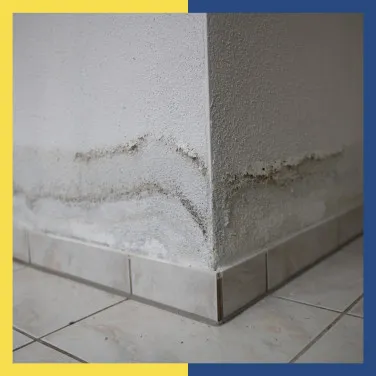
If your building lacks a functional barrier near the foundation, soil moisture rises upward through the bricks and mortar via capillary action. This phenomenon, known as rising damp, typically affects the lower portions of ground-floor walls up to a height of 3 to 4 feet.
Professionals use moisture meter readings to detect rising damp in walls. Typically, the percentage shown in the meter determines the level of moisture intrusion:
- 0-16% is considered normal
- 16-20% indicates minor moisture intrusion
- 20-25% signifies elevated moisture levels that need to be investigated
- 26-35% indicates serious moisture ingress that needs to be resolved quickly
- 35% or higher is dangerous and indicates an active water leakage
Condensation and Ventilation Problems
In rooms with high humidity and poor airflow, like kitchens and bathrooms, steam settles on cold wall surfaces. Over time, this surface moisture accumulates, seeps into the plaster, and causes localised damp patches that look identical to external leaks.
Structural Gaps and Cracks
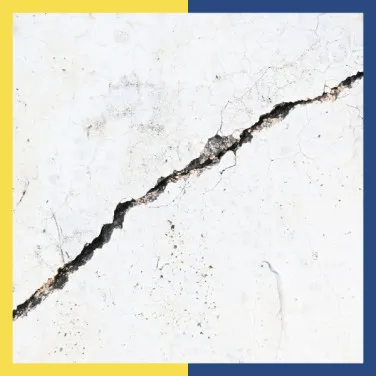
Settlement cracks, expansion gaps around window frames, and unsealed wall joints act as open pathways for moisture. Even a hairline crack on an exterior wall can allow significant water to penetrate during a heavy storm, leading to damp patches and progressive damage inside your home.
Early Warning Signs You Shouldn't Ignore
Spotting problems early makes repairs easier and more affordable. Here are the signs to watch for:
Visible Signs of Seepage (Damp Patches, Discolouration, Peeling Paint)
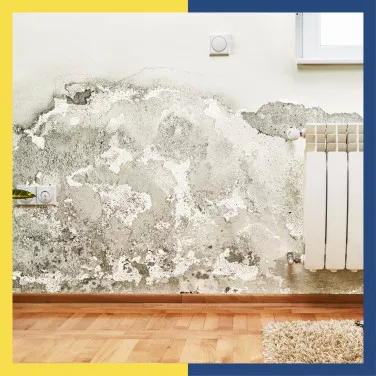
The most obvious signs of wall seepage are visual. Look for yellow or brown stains on your walls, especially near the floor or corners. Bubbling or peeling paint is a strong indicator of trapped moisture. You might also see dark, wet patches that expand over time.
Hidden Signs (Musty Odours, Efflorescence, Hollow Sounds)
Sometimes, the signs aren’t visible. A persistent musty or earthy odour is a telltale sign of mould and mildew growth caused by dampness. Efflorescence, a white, chalky residue on the wall surface, forms when water evaporates and leaves behind salt deposits. If you tap on a wall and it sounds hollow, it could mean the plaster has detached from the brickwork due to water damage.
How to Check for Seepage in Your Walls
To check for wall seepage, start with a visual inspection of all walls in your home. Use your hand to feel for cold, damp spots. Look for cracks around windows and doors. If you suspect hidden leaks, a moisture meter can help detect high moisture levels within the wall.
Types of Wall Seepage Explained

Here’s how different types of wall seepage show up and what they need:
Penetrating Seepage
This occurs when water moves horizontally through exterior walls. It is usually driven by heavy wind-driven rain, roof overflow, or damaged exteriors that allow moisture to enter the wall.
Rising Seepage
Originating from the ground beneath your home, rising damp pulls groundwater upward through the masonry. It brings destructive soil salts that can crystallise inside the wall structure as the water evaporates.
Condensation-Based Seepage
This occurs internally when warm, moist indoor air meets cold wall surfaces. The vapour condenses back into liquid water, which then soaks into the paint and plaster layers. This creates an ideal breeding ground for mould and mildew.
Areas Most Prone to Wall Seepage
Some parts of a home are naturally more exposed to moisture.
Exterior Walls and Facades
These surfaces receive direct exposure to rain, sunlight, and changing temperatures throughout the year.
Bathroom and Kitchen Walls
Frequent water use, plumbing lines, and humidity make these walls highly vulnerable.
Basement and Foundation Walls
Groundwater pressure and poor drainage often cause moisture to enter below-ground walls.
Roof-to-Wall Junctions and Ceilings
Damaged roof joints or terrace cracks can allow water to travel into ceilings and adjoining walls.
Window and Door Frames
Poor sealing around frames creates gaps where rainwater can enter during heavy showers.
How Wall Seepage Damages Your Home
Here is how water seepage can damage your property:
Structural Weakening and Safety Risks
Water reacts with steel reinforcement inside concrete (rebar), causing it to rust and expand. This expansion exerts internal pressure that can lead to concrete spalling, cracking, and a compromised structure.
Mould and Mildew Growth
Moist walls create the perfect ecosystem for toxic mould and mildew. These fungi spread rapidly, releasing spores that spoil indoor air quality and ruin organic home furnishings.
Damage to Paint, Tiles, and Finishes
Persistent moisture behind walls breaks down tile adhesives, causing them to detach, and makes wood panelling swell and warp. It also turns gypsum-based wall putty back into a soft powder, leading to crumbling surfaces and ruined paint finishes.
Health Hazards from Damp Walls
Living in a damp environment poses serious health risks. Continuous exposure to mould spores and elevated indoor moisture can trigger respiratory issues, severe asthma attacks, chronic sinus infections, and skin allergies in children and the elderly.
Impact on Property Value
A home exhibiting visible dampness, flaking paint, or musty smells instantly loses market appeal. Prospective buyers see damp walls as a major red flag, which could drive down your property’s resale value.
Temporary vs Permanent Solutions for Seepage Wall Issues
Know the differences in wall seepage solutions so you invest wisely:
Quick Fixes and Stopgap Measures
Quick fixes like applying a coat of 'waterproof' paint over a damp patch only trap moisture, which can accelerate plaster damage and mould growth behind the new paint. These can hide the symptoms for a while but won’t stop the water from entering. They are useful for emergency management but not for a long-term fix.
Long-Term Waterproofing Solutions
A proper wall seepage solution involves addressing the root cause. This means properly waterproofing the exterior, fixing plumbing leaks, installing a damp-proof course, or utilising advanced techniques like pressure grouting.
Step-by-Step Guide to Fix Wall Seepage Permanently
Ready to tackle wall seepage? Follow these steps:
Inspect and Identify the Root Cause
First, determine where the water is coming from. Is it rain, a leaky pipe, blocked drains, or rising damp? Use a moisture meter and visual inspection to pinpoint the source.
Seal Cracks and Gaps
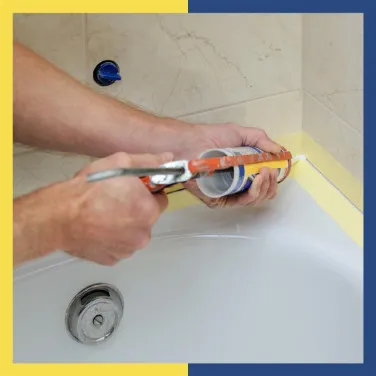
Once identified, seal all cracks and gaps with high-quality, flexible sealing compounds. For hairline cracks, products like fibre-reinforced sealing compounds work well.
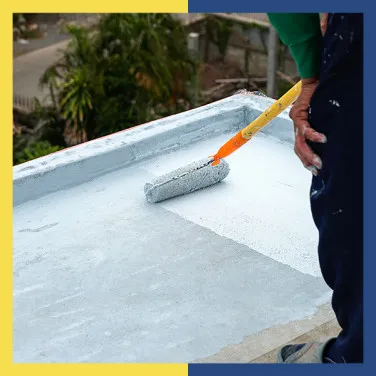
Apply Waterproof Coatings and Treatments
Apply a waterproof coating to the affected areas. For exteriors, use breathable, water-resistant paints. For interiors, consider internal wall waterproofing solutions, including anti-damp treatments.
Fix Plumbing and Drainage Issues
Repair any leaking pipes and ensure your drainage system is clear. Clogged gutters or downspouts can direct water towards your walls, causing seepage.
Install Damp-Proof Course (DPC)
If rising damp is the issue, you may need to install a new damp-proof course. This can be done by injecting a chemical barrier into the wall or installing a physical membrane.
Advanced Methods (Guniting, Pressure Grouting, Crack Injection)
For severe structural issues, professionals may use methods like pressure grouting, which injects a polymer or cement-based fluid into cracks under high pressure to fill hidden voids and create a durable, waterproof seal deep within the wall.
Preventive Measures to Stop Wall Seepage Before It Starts
Prevention is always better than cure. Here’s how to stop wall seepage before it even starts:
Waterproofing During Construction
Ensuring that waterproofing is part of the construction plan is the best way of protecting your home from water seepage damage. Apply sealing compounds to roofs, basements, and wet areas before the walls are finished.
Use Quality Building Materials
Choose high-quality, moisture-resistant materials for your construction. Avoid substandard bricks or cement that can absorb water easily.
Ensure Proper Drainage and Sloping
Grade the soil around your home to direct water away from the foundation. Keep gutters and drains clean to prevent water accumulation.
Regular Maintenance and Inspection
Conduct regular inspections, especially after heavy rains. Check for cracks, leaks, and signs of dampness. Early detection makes repairs easier and cheaper.
Improve Ventilation in High-Humidity Areas
Use exhaust fans in bathrooms and kitchens. Also, open windows to allow fresh air to circulate and reduce moisture buildup.
Monsoon-Specific Wall Seepage Protection
Monsoons bring prolonged heavy downpours that put your home’s water resistance to the ultimate test. Knowing how to stop wall seepage during this season requires extra preparation.
Pre-Monsoon Preparation Checklist
Take these essential steps for monsoon home protection:
- Clear all rooftop drains and downspouts
- Inspect roof tiles and terrace waterproofing for cracks
- Apply a fresh coat of elastomeric waterproof exterior paint to exposed facades
- Check window sealing compounds and replace worn weatherstripping
Managing External Wall Seepage During Heavy Rains
If rain hits and you notice water penetrating through exterior walls, avoid applying internal sealing compounds, as this can trap the water. Instead, use temporary plastic tarps or water-diverting sheets until the rain stops and proper repairs can be done.
Wall Seepage Solutions for Different Home Types
Different buildings face different moisture challenges.
Apartments vs Independent Homes
In apartment complexes, water often seeps from the unit above, frequently because of a leaky bathroom in the upstairs neighbour’s apartment. Resolving the issue requires coordination with your neighbour or the housing society to fix the source of the problem. Independent homeowners have full control over structural repairs. This makes exterior waterproofing and ground-level drainage corrections much easier to execute.
Old Buildings vs New Constructions
Older buildings often feature traditional lime plaster or brickwork that requires breathable waterproofing materials to prevent moisture from trapping inside legacy walls. New construction benefits from modern waterproofing systems that provide flexible, high-durability protection.
When to Call a Professional for Seepage Repair

While minor cosmetic fixes can be done via DIY repairs, major water ingress demands professional waterproofing. Call a professional waterproofing contractor if:
- The dampness covers a large area or spans multiple rooms
- You notice structural cracks, sagging ceilings, or crumbling concrete
- The source of the water remains completely unknown despite inspection
- Rising damp is originating from ground level
- Previous superficial repairs have repeatedly failed
Professionals use thermal imaging cameras and specialised equipment to pinpoint the hidden source of wall seepage, providing a permanent solution that lasts for years.
Cost of Wall Seepage Repair and Treatment in India
The cost of fixing wall seepage in India depends on the severity of the damage, the area affected, and the repair method used. Minor repairs might cost a few thousand rupees, while extensive waterproofing or structural repairs can run into tens of thousands.
If you need a professional waterproofing expert to inspect your home for wall seepage, fill out the form below to connect with Dr. Fixit.
FAQs
Q1: What is the difference between seepage, dampness, and leakage?
Seepage is the slow movement of water through walls, dampness refers to moisture retained in building materials, and leakage is the direct escape of water from a pipe or opening.
Q2: How can I check if my walls have seepage?
Look for damp patches, peeling paint, musty odours, white salt deposits, recurring stains, or expanding cracks after rainfall.
Q3: What is the most common cause of wall seepage in Indian homes?
Poor waterproofing, plumbing leaks, heavy rainfall, structural cracks, and poor drainage are among the leading causes of wall seepage.
Q4: Can wall seepage be fixed permanently?
Yes, after identifying the source, permanent waterproofing, crack repair, plumbing correction, and proper drainage can permanently resolve wall seepage.
Q5: Is wall seepage dangerous to health?
Yes, damp walls encourage mould and mildew growth, which can affect indoor air quality and trigger allergies or respiratory issues.
Q6: How much does it cost to fix wall seepage in India?
Costs vary depending on the extent of the damage and the repair method. A professional inspection provides the most accurate estimate.
Q7: Does painting over seepage solve the problem?
No, paint only hides the symptoms temporarily. Fixing the underlying cause is the only effective answer to how to stop wall seepage.
Q8: How long does wall seepage repair take?
Minor repairs may take a day or two, while complete waterproofing or structural treatment may require several days depending on the severity of the damage.
Get Professional Waterproofing Solutions Today
Fill The Form below to took free site evaluation by Dr. fixit point safe painting service expert


नवीकरण
प्रश्न जो आपको अपार्टमेंट खरीदने से पहले एक सोसाइटी मैनेजर से बिल्डिंग के मरम्मत के बारे में पूछना चाहिए












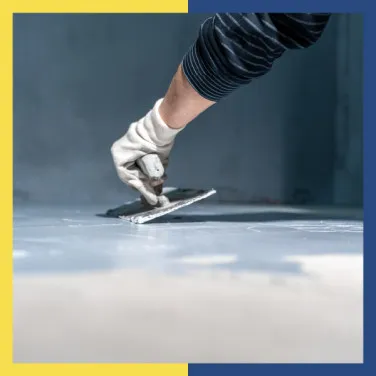
Get Professional Waterproofing Solutions Today
Fill The Form below to took free site evaluation by Dr. fixit point safe painting service expert
