
Check for these water seepage signs before buying a home
A homebuyer’s guide to identifying water seepage issues before purchase
Water seepage is a major warning sign during property inspection, as it can indicate hidden waterproofing or structural issues. Common signs of water seepage include damp patches, peeling paint, efflorescence, cracks, and musty odours. Key areas to inspect are bathrooms, terraces, kitchens, basements, and external walls. Visual checks are not enough, and it is recommended to seek professional help for a waterproofing inspection to avoid future repair costs.



Table of Contents
- Why is water seepage a serious warning sign?
- What are some common signs of water seepage?
- What are some key areas that require careful inspection?
- Why is a visual check alone not enough?
- What is the financial impact of ignoring water seepage issues?
- Why opt for a professional waterproofing inspection?
- How do reliable waterproofing systems improve protection?
- Inspect carefully before investing
- FAQs
A property may appear visually perfect during a visit, yet hidden moisture damage can remain concealed beneath paint, plaster, and finishes. One of the most overlooked concerns during a home inspection is water seepage, which often indicates deeper waterproofing or structural failures. Ignoring these signs before purchase can lead to recurring repairs, weakened surfaces, and long-term maintenance costs.
Conducting a careful inspection before finalising a property helps buyers avoid expensive surprises later.
Why is water seepage a serious warning sign?
Moisture intrusion rarely remains limited to surface stains. Over time, water seepage can weaken walls, damage ceilings, and affect structural durability.
Common consequences include:
- Deterioration of plaster and paint finishes
- Weakening of concrete and masonry surfaces
- Corrosion of reinforcement steel
- Growth of mould and fungal deposits
- Reduced indoor air quality and hygiene
Persistent seepage often signals failure in the waterproofing system or poor drainage management.
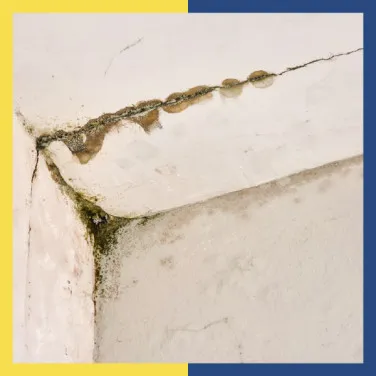
What are some common signs of water seepage?
A visual assessment during a Property Inspection can reveal early indicators of moisture problems.
- Peeling or bubbling paint
- Damp patches on walls or ceilings
- White powdery deposits known as efflorescence
- Hairline cracks near corners or joints
- Musty odours in enclosed spaces
- Warped wooden panels or swollen laminates
These signs suggest ongoing seepage issues that may worsen during monsoons or heavy rainfall.
What are some key areas that require careful inspection?
Certain parts of a property are more vulnerable to moisture ingress and should always be checked thoroughly.
- Bathrooms and wet areas
Inspect wall corners, floor joints, and ceilings below bathrooms. Leakage from concealed pipelines or failed waterproofing layers often causes hidden water seepage.
- Kitchens
Sink areas and plumbing connections should be checked for dampness, stains, or moisture accumulation.
- Terraces and balconies
Improper slope, cracked surfaces, and blocked drainage outlets significantly increase seepage risk.
- Ceilings below wet areas
Water stains or peeling paint on lower-floor ceilings may indicate leakage from upper-level bathrooms or terraces.
- Basements and parking areas
Basements are highly prone to groundwater-related seepage. Damp walls and persistent odours are major warning signs.
- External walls
Cracks and exposed wall surfaces often allow rainwater penetration, especially in older buildings.
A systematic water seepage inspection across these areas provides a clearer understanding of the property’s condition.
Why is a visual check alone not enough?
Many seepage problems remain hidden beneath recently repaired or repainted surfaces. Cosmetic improvements can temporarily conceal moisture damage.
Professional inspections help identify:
- Active versus dormant leakage areas
- Source of moisture ingress
- Extent of substrate deterioration
- Hidden waterproofing failures
- Structural vulnerabilities linked to seepage
This is why relying only on visual appearance during a home inspection can lead to inaccurate conclusions.
What is the financial impact of ignoring water seepage issues?
Many homebuyers underestimate the long-term cost of untreated water seepage.
Potential expenses include:
- Repeated repainting and plaster repairs
- Waterproofing treatment after occupancy
- Replacement of damaged furniture and finishes
- Structural repair costs in severe cases
- Ongoing maintenance and mould removal
Addressing seepage issues after purchase is often more expensive and disruptive than identifying them beforehand.
Why opt for a professional waterproofing inspection?
A professional water seepage inspection provides technical clarity before investment decisions are made.
Experienced specialists evaluate:
- Surface condition and crack patterns
- Drainage efficiency and water flow
- Existing waterproofing performance
- Material compatibility and ageing signs
- Areas vulnerable to future seepage
This diagnosis helps buyers understand whether repairs are minor or indicate larger structural concerns.
How do reliable waterproofing systems improve protection?
Properties protected with scientifically designed waterproofing systems generally offer better long-term durability.
Dr. Fixit waterproofing systems help:
- Prevent moisture penetration in critical areas
- Protect terraces, bathrooms, and external walls
- Improve resistance against monsoon exposure
- Reduce long-term maintenance risks
When applied by authorised professionals, these systems support stronger structural protection and reduce the likelihood of recurring water seepage.
Inspect carefully before investing
Buying a property is a long-term investment, and hidden moisture damage should never be ignored. A proper property inspection, combined with a professional waterproofing evaluation, helps buyers identify risks before committing financially.
Checking for dampness, cracks, stains, and concealed leakage areas can prevent major future expenses. With expert assessment and reliable waterproofing systems from Dr. Fixit, homeowners can invest with greater confidence and long-term peace of mind.
For professional guidance and trusted waterproofing solutions, connect with Dr. Fixit specialists by filling out the form below.
FAQs
1. Why is water seepage a serious concern before buying a property?
Water seepage can indicate deeper waterproofing or structural problems that may lead to expensive repairs and long-term damage.
2. What are the common signs of seepage in a house?
Common signs include damp patches, peeling paint, musty odours, efflorescence, and hairline cracks on walls or ceilings.
3. Which areas should be checked during a water seepage inspection?
Bathrooms, terraces, basements, kitchens, external walls, and ceilings below wet areas should always be inspected carefully.
4. Why is professional seepage inspection important?
A professional water seepage inspection identifies hidden moisture problems and waterproofing failures that may not be visible during a regular property visit.
Get Professional Waterproofing Solutions Today
Fill The Form below to took free site evaluation by Dr. fixit point safe painting service expert


Get Professional Waterproofing Solutions Today
Fill The Form below to took free site evaluation by Dr. fixit point safe painting service expert
