
Preventing Water Leakage - 6 Common Signs to Watch Out for
Preventing water leakage - 6 Common signs to watch out for
Discover the top six indicators of water leakage and seepage in your house and learn effective solutions to prevent it before it leads to major damage.



Water leakage problem, though seemingly minor, can quickly escalate into a homeowner's nightmare. Unchecked leaks can lead to wall damage, mould growth, hefty repair bills, and more. The key to avoiding such disasters lies in early detection and the timely use of an appropriate waterproofing chemical.
In this article, let's explore proactive methods, from recognising warning signs to leveraging effective solutions.

What is water leakage, and what are its effects?
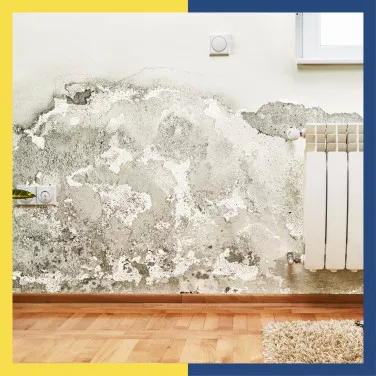
Water leakage occurs when moisture enters areas of the home where it should not. It can occur on roofs, walls, in kitchens and bathrooms, or near plumbing lines. When surfaces remain exposed to continuous moisture, the structure begins to show early signs, such as stains, peeling paint, a musty smell, or unexplained damp patches.
Over time, a leakage problem can affect interiors, weaken surface finishes, and cause damage to furniture, cupboards, and appliances. In many homes, water leaks also create an unhealthy indoor environment due to constant dampness.

Six indicators of water leakage and their solutions
A few early signs can hint at water leaking, and recognising them helps you act quickly with the right water leakage prevention steps. Here’s how waterproofing can address each concern.
- Stains on ceilings and walls
Noticed yellow, brown, or dark spots on your ceilings or walls lately?
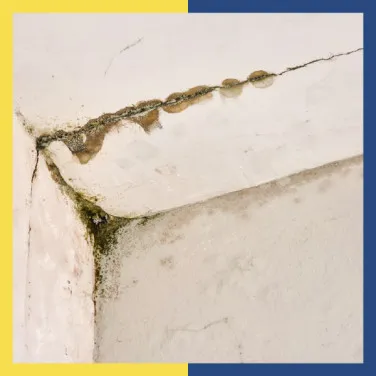
Such stains on the ceiling indicate roof or plumbing leaks (from water structures or apartments above). Stains on the walls indicate seepage.
Solution
If it's a plumbing issue from the apartment above, talk to the residents, find the source of the leak, and fix it before the issue escalates. Next, waterproof your apartment. If it's your roof, address the root cause and waterproof your house for future prevention.
- Musty odour
A persistent musty smell indicates potential mould growth. This often occurs due to retained moisture in the closed space that is devoid of ventilation, often caused by wall seepage.
Solution
Identifying and addressing the source of mould growth, followed by thorough cleaning and waterproofing, to eliminate this issue.
- Peeling or bubbling paint
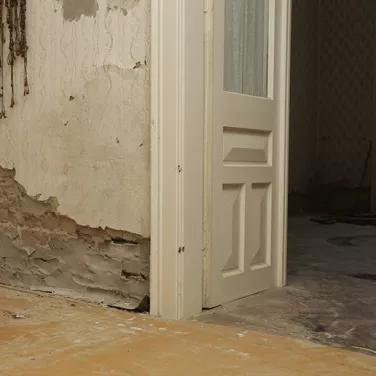
Moisture behind paint or wallpaper causes peeling or bubbling on the surface, as well as flaky paint.
Solution
Opt for waterproofing to maintain the wallpaper or paint. Along with that, choose a waterproof exterior coating like the Dr. Fixit Raincoat range on external walls to prevent water from infiltrating the internal walls.
- Leaky faucets or pipes
A dripping faucet or a leaky pipe not only wastes a lot of water but can also lead to severe damage over time. It can also start affecting the adjoining walls.
Solution
Timely repair using good-quality fixtures and waterproofing to prevent water seepage.
- Deteriorating appliances or furniture
Rotting and rusting of cupboards/ furniture and faulty appliances suggest hidden water seepage.
Solution
Using appropriate wall waterproofing and waterproof exterior coatings to help protect your walls and, thus, your furniture and appliances.
- Water puddles
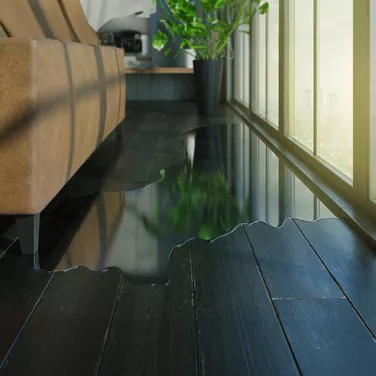
If you notice a random water puddle near a wall or water fixture, it most likely is an indication of water leakage, faulty faucets, or rusty and leaky water pipes.
Solution
Replace the affected fixture, treat the damaged plaster, and opt for waterproofing to prevent water damage.

Types of leaks and possible causes
Different parts of a home can experience leaks for various reasons.
- Roof-related leaks
These leaks often occur when moisture enters through exposed roof surfaces, joints, or areas where rainwater tends to collect. Cracks in the slab, ageing construction materials, or poor water drainage can allow water to move into the structure.
- Kitchen and bathroom leaks
These spaces handle continuous water usage. Leaks usually arise from worn-out plumbing lines, gaps around fittings, moisture-heavy corners, or ageing tile joints that allow water to pass through.
- Wall-based leaks
External walls face direct exposure to rain and humidity. If the surface absorbs moisture, it can travel inward and appear on internal walls. Poor surface protection, absorption through porous material, or wind-driven rain can contribute to this.
- Plumbing leaks
Leaks around pipes and fixtures happen due to loose joints, ageing pipes, clogging, corrosion, or high water pressure that stresses the plumbing network. Even small drips can spread moisture across nearby surfaces.
- Water tank leaks
Over time, water tanks may develop weak spots, gaps near joints, or surface deterioration due to constant water storage. These points can allow moisture to escape and move into nearby construction layers.

Strategies to avoid water leaks in your home
A few simple steps can support water leakage prevention:
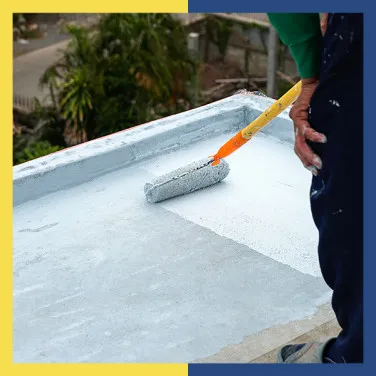
- Use a trusted waterproofing chemical on key surfaces during construction so your home stays protected from water leaks
- If waterproofing was skipped earlier, treat exposed areas with a waterproof exterior coating to reduce any leakage problem
- Repair taps and pipes on time and pair them with waterproofing
- Maintain airflow in humid areas to keep walls dry
- Reapply waterproof exterior coatings as needed to keep walls strong and reduce the risk of water leakage

To wrap up
Investing in waterproofing is the best preventive measure to safeguard your house, the health of all the residents, and your pocket in the long run.
Fill out the form given below to get expert advice and waterproofing solutions from Dr. Fixit. Act now and don't let water leakage catch you off guard.
Frequently asked questions (FAQs)
- How to identify water leakage?
You can spot water leaking through damp patches, yellow stains, or peeling paint. Once you notice these early signs, treating the surface with a suitable waterproofing chemical stops further moisture.
- How to stop water leakage?
If you’re wondering how to stop water leakage, start by repairing any visible gaps or damaged plaster and by checking nearby fittings. After this basic repair, the most reliable step is to waterproof key areas such as roofs, kitchens, bathrooms, walls and water tanks. Using a suitable waterproofing chemical addresses the leakage problems.
- How to repair a leakage in a wall?
A leaking wall can be repaired by removing loose plaster, drying the surface, and rebuilding the damaged layer. Once this is done, applying a reliable waterproofing chemical helps stop recurring leakage problem and strengthens the wall against future moisture.
- How can water leakage be prevented?
Water leakage prevention starts with proactive waterproofing during home construction. If it was skipped earlier, waterproofing now still protects roofs, kitchens, bathrooms and external walls.
Get Professional Waterproofing Solutions Today
Fill The Form below to took free site evaluation by Dr. fixit point safe painting service expert


नवीकरण
प्रश्न जो आपको अपार्टमेंट खरीदने से पहले एक सोसाइटी मैनेजर से बिल्डिंग के मरम्मत के बारे में पूछना चाहिए




नवीकरण
घरों का निरीक्षण क्यों किया जाता है और इसके माध्यम से क्या प्राप्त किया जा सकता है












नवीकरण
The Ultimate Guide to Monsoon Terrace Waterproofing: Protecting Your Home from Water Damage




Get Professional Waterproofing Solutions Today
Fill The Form below to took free site evaluation by Dr. fixit point safe painting service expert
