
Best Wall Putty in India: How to Choose
Best putty for wall in India: Types, comparison and how to choose
Choose wall putty based on wall condition, location, moisture exposure, coverage, and finish requirements. White cement, acrylic, and waterproof putties serve different purposes, so the right option depends on the surface and intended application. Waterproof putty can provide added moisture resistance, but it cannot replace proper waterproofing when there is active leakage or persistent dampness. Dr. Fixit Waterproof Wall Putty can be used for both internal and external walls, especially when water resistance and surface coverage matter.



Table of Contents
When choosing the best putty for wall surfaces, look beyond whiteness and price. Your wall's location, moisture exposure, and surface condition also matter. Wall putty helps create a smoother base before painting. The right choice can support better adhesion and a more uniform finish.
For moisture-exposed areas, waterproofing also needs attention. Dr. Fixit Waterproof Wall Putty is designed for internal and external surfaces. It provides a smooth finish and high surface coverage while remaining water-resistant.
What Wall Putty Does (and Why It Matters)
Apply wall putty over prepared plaster before the final coating. It helps level minor surface unevenness. It also creates a smoother and whiter base for the top coat.
Role of putty
- Good-quality putty can help you achieve:
- A smoother wall surface
- Better surface uniformity
- Improved appearance after painting
- Better adhesion for the subsequent coating
- Reduced visibility of minor surface imperfections
Putty should not, however, replace waterproofing when moisture is the problem. Dampness can result from several sources, including plumbing issues and water penetration. Proper diagnosis should come before treatment. Dr. Fixit’s waterproofing products can ensure that your walls remain leak-free for the foreseeable future.
Which Is the Best Wall Putty?
If you need a moisture-resistant option, Dr. Fixit Waterproof Wall Putty is one option to consider. It is formulated for internal wall waterproofing and can be used on both internal and external surfaces.
The best putty for wall surfaces depends on four practical factors:
- Coverage: Check how much area the product can cover.
- Whiteness: A brighter base can support the final finish.
- Water resistance: Consider this for moisture-prone walls.
- Finish: Look for smooth application and easy sanding.
The wall’s condition also matters. Heavy dampness needs diagnosis and proper repairs before putty application.
Types of Wall Putty Compared
Understanding wall putty types helps you narrow down your choice.
| Type | Key characteristic | Suitable consideration |
| White cement putty | Cement-based and smooth | General wall preparation |
| Acrylic putty | Polymer-based formulation | Interior surfaces and smooth finishes |
| Waterproof putty | Designed with water resistance |
Areas needing added moisture resistance |
White cement putty is commonly considered for general surface levelling. Acrylic formulations work well when application and finish requirements suit them. Waterproof putty is useful when moisture resistance is an important consideration.
Rather than choosing only by product type, assess the wall and its exposure first. This helps you choose the best putty for the intended application.
How to Choose for Your Walls
Start by identifying where you will use the product.
What should you use for interior walls?
For dry interior rooms, consider the required smoothness, coverage, and final appearance. If the wall has dampness, identify the moisture source before applying putty. For walls exposed to mild moisture, a water-resistant option can offer an additional layer of protection.
What should you use for exterior walls?
Exterior walls face rain, humidity, and temperature changes. Therefore, consider putty selection as part of a broader waterproofing system. A waterproof exterior coating is also a must for exposed walls. The correct treatment depends on the wall condition and source of water ingress.
Before selecting the best putty for wall surfaces, professional assessment can help identify whether the issue is surface-level or moisture-related.
How should budget affect your choice?
Don't compare products based only on pack price. Consider the product's average coverage and the condition of your wall. Calculate the cost-benefit across products by comparing the wall putty price with the quantity needed for your surface. The right quantity depends on surface area and the substrate’s type/condition.
How much putty do you need for a wall?
Your requirement depends on wall area, surface condition, application thickness, and product coverage. Uneven plaster can require more material than a relatively smooth surface. For an accurate estimate, measure the wall area and check the product's technical information. A trained professional can also assess the surface and determine the required quantity.
Why does waterproofing matter?
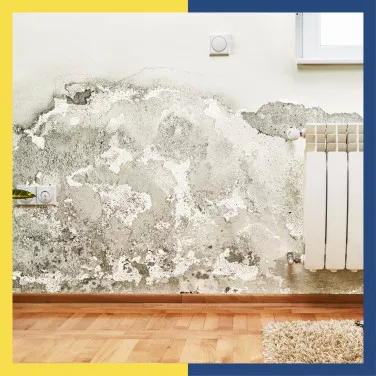
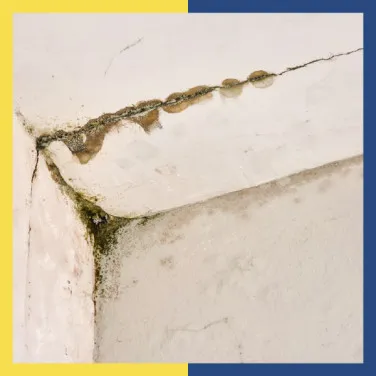
Paint and putty cannot solve every moisture problem, especially on exterior walls that are constantly exposed to moisture and harsh weather. Persistent dampness can cause peeling, flaking, and other surface issues.
Dr. Fixit offers waterproofing solutions for different areas and moisture conditions. If you need to protect your home from water leaks and dampness, fill out the form below to connect with a Dr. Fixit waterproofing expert.
A simple checklist before buying
Choose the best putty by checking:
- Where the wall is located
- Whether moisture is present
- The required surface finish
- Expected coverage
- Water resistance requirements
- Compatibility with the subsequent coating
- Professional application requirements
This approach helps you select the right product for the wall rather than choosing only by price or popularity.
FAQs
1. Which is the best putty for wall surfaces in India?
There is no single choice for every wall. For moisture resistance, Dr. Fixit Waterproof Wall Putty is an option designed for internal and external walls.
2. What are the main wall putty types?
Common categories include white cement putty, acrylic putty, and waterproof putty. Their suitability depends on the wall, exposure, and finish requirements.
3. Is waterproof putty better than white cement putty?
They serve different requirements. Waterproof putty is designed to provide added water resistance, while white cement putty is generally used for surface preparation and finishing.
4. How much putty do I need per wall?
The quantity depends on surface area, texture, coverage, and application thickness. Check the product technical information and have a professional assess the surface.
5. Can Dr. Fixit wall putty fix dampness?
Putty alone should not be treated as a solution for active dampness. First identify the source of moisture and use an appropriate waterproofing system.
6. Which Dr. Fixit putty should I use?
Dr. Fixit Waterproof Wall Putty is suitable when water resistance is a key requirement. It is listed for internal and external surfaces and can be a great choice when water-resistance and high surface coverage are required for the project.
Get Professional Waterproofing Solutions Today
Fill The Form below to took free site evaluation by Dr. fixit point safe painting service expert


नवीकरण
प्रश्न जो आपको अपार्टमेंट खरीदने से पहले एक सोसाइटी मैनेजर से बिल्डिंग के मरम्मत के बारे में पूछना चाहिए
















Get Professional Waterproofing Solutions Today
Fill The Form below to took free site evaluation by Dr. fixit point safe painting service expert
