
Guide to waterproofing chemicals for Indian homes
Expert guide to waterproofing chemicals for long-term protection
Confused about waterproofing products? Discover essential waterproofing chemicals, their roles, and how to choose the right solution for your home.



Indian homes face constant exposure to heavy rainfall, high humidity, and sharp temperature changes. Over time, these conditions weaken surfaces and create pathways for moisture entry. Combined with inconsistent construction practices and ageing materials, they increase the risk of leakage and dampness.
This is why selecting the right waterproofing chemical becomes critical. A reliable waterproofing chemical does more than block water. It strengthens surfaces, reduces
seepage, and protects structures for years. Understanding how different chemicals work helps homeowners make informed decisions.
What does “waterproofing chemical” mean in home construction
In residential construction, a waterproofing chemical refers to specialised solutions designed to prevent water penetration and control moisture movement within building materials.
These chemicals are developed to:
- Block capillary absorption
- Seal micro-cracks and pores
- Improve surface durability
- Protect reinforcement from corrosion
- Extend the life of finishes
Unlike basic surface coatings, modern waterproofing systems rely on carefully formulated waterproofing material that integrates with cement-based substrates.
Why Indian homes need specialised waterproofing chemicals
Climatic and construction conditions in India create unique challenges.
- Intense monsoon rainfall increases water pressure on terraces and walls
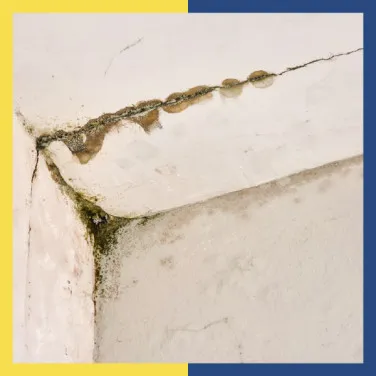
- High humidity promotes condensation and fungal growth
- Temperature variations cause surface cracking
- Inadequate curing weakens concrete structures
- Limited waterproofing during construction leaves hidden vulnerabilities
Under these conditions, a standard coating is insufficient. Only a suitable waterproofing chemical system can offer long-term resistance.
Key areas of the home that require different waterproofing chemicals
Every part of a house faces different moisture risks. Using one product everywhere often leads to failure.
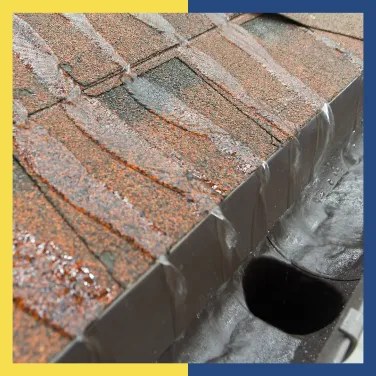
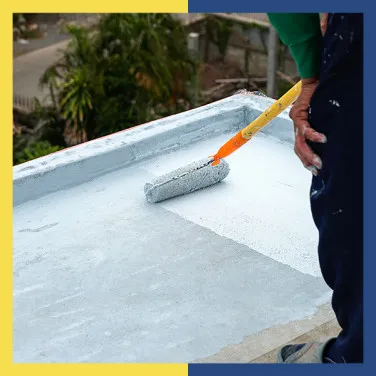
- Terrace and roof slabs - Require UV-resistant and flexible membranes.
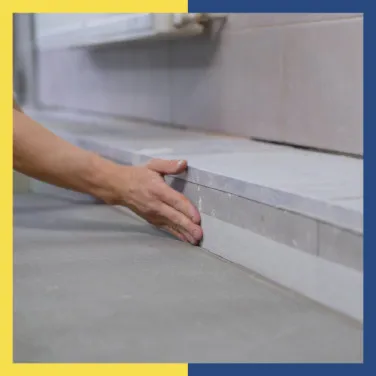
- Bathrooms and kitchens - Need moisture-tolerant coatings and joint sealants.
- External walls - Demand breathable protective coatings.
- Water tanks - Require food-grade cementitious systems.
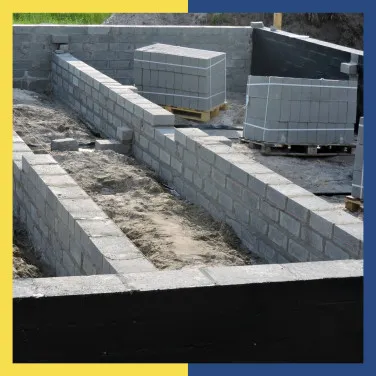
- Foundation and basements - Need high-strength waterproofing foundation treatments and basement waterproofing materials.
Matching the right chemical to each zone ensures complete protection.
Six essential categories of waterproofing chemicals
Homeowners should be familiar with these core product groups.
1. Integral waterproofing admixtures - Added to concrete and plaster to reduce permeability from within. These enhance internal resistance against moisture.
2. Crack fillers and sealants - Used to close visible and micro-cracks. They prevent water pathways and improve surface stability.
3. Cementitious waterproofing coatings - Form rigid protective layers on concrete surfaces. They suit wet areas, tanks, and internal damp zones.
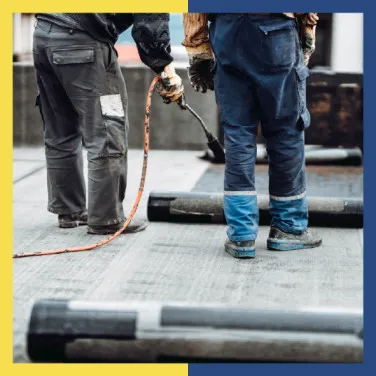
4. Liquid-applied membranes - Create seamless elastic barriers on terraces and roofs. They accommodate thermal movement effectively. 5. Protective wall coatings - Applied on external surfaces to repel rainwater while allowing vapour release.
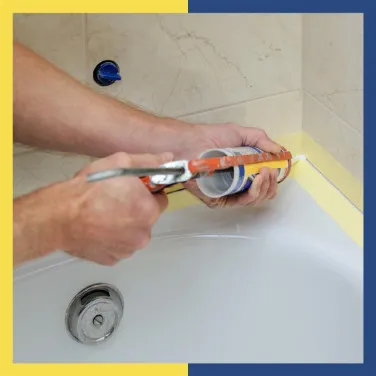
6. Grout and joint sealants - Seal tile joints and sanitary fittings to prevent bathroom seepage.
Each category plays a distinct role in moisture control.
Selection guidance for choosing the right waterproofing chemical
Before selecting any product, homeowners should consider:
- Compatibility with cement and masonry surfaces
- Crack-bridging capability for flexible zones
- UV resistance for exposed terraces
- Chemical resistance in wet areas
- Long-term durability under weather stress
A suitable waterproofing chemical must match both surface condition and exposure level.
Traditional waterproofing vs chemical-based systems
Traditional methods relied mainly on thick plaster layers and surface treatments. These provided temporary resistance but degraded quickly.
Modern waterproofing systems use engineered waterproofing chemical formulations that penetrate, bond, and reinforce structures. This improves reliability and reduces maintenance frequency.
DIY use and professional application: knowing the difference
Some minor sealing tasks may be handled at home using compatible products. However, large surfaces, structural cracks, terraces, and foundations require professional expertise.
Incorrect application can compromise even the best waterproofing chemical. Professionals ensure proper surface preparation, correct layering, and adequate curing.
Choose the right chemical for lasting protection
Waterproofing chemicals are not universal solutions. Each product category addresses a specific moisture problem in a specific area. Selecting the right waterproofing chemical for the right surface determines long-term performance.
By understanding material roles, surface conditions, and climatic demands, homeowners can build effective protection systems. With expert guidance and proven solutions from Dr. Fixit, waterproofing becomes a strategic investment in durability and comfort.
For customised waterproofing support, connect with Dr. Fixit specialists by filling out the form below.
Get Professional Waterproofing Solutions Today
Fill The Form below to took free site evaluation by Dr. fixit point safe painting service expert


नवीकरण
प्रश्न जो आपको अपार्टमेंट खरीदने से पहले एक सोसाइटी मैनेजर से बिल्डिंग के मरम्मत के बारे में पूछना चाहिए










Get Professional Waterproofing Solutions Today
Fill The Form below to took free site evaluation by Dr. fixit point safe painting service expert
