
Identifying ceiling cracks and when to employ roof waterproofing
Ceiling Cracks: Repair Tips & When to Use Roof Waterproofing
Ceiling cracks are common and can result from factors like building settlement, temperature changes, poor construction, moisture, or structural stress. While minor cracks may be superficial, serious ones, such as wide, diagonal, or sagging cracks, can indicate deeper structural or water-related issues. Roof leakage often worsens cracks by weakening materials through moisture.



Table of Contents
Have you noticed cracks on your ceiling lately? Is it a sign that you need roof waterproofing? In most cases, YES.
Ceiling cracks are common in homes, especially in older ones, and can act as catalysts for water leakage and seepage. However, when these cracks become serious, ignorance is NOT bliss. Using a ceiling crack filler at the right stage can help manage early damage, but deeper issues require more than surface fixes. In such cases, it is ideal to call a professional for ceiling crack repair and to address any roof leakage that may have followed.
But how do you spot a hairline, cosmetic, or serious crack? And what is the difference? There are various telltale signs. Let's understand in detail.

What causes cracks in the ceiling?
Identifying the root cause is important because it helps determine whether the roof crack repair is minor or requires immediate attention. Below are the common causes of ceiling cracks:
- Natural settling of the building
As a home ages, it gradually adjusts to the ground beneath it. This process, known as settling, can create fine cracks on ceilings. These are commonly seen in newer constructions and are usually superficial in the early stages.
- Changes in temperature and humidity
Building materials expand when exposed to heat and contract during cooler conditions. This continuous movement puts stress on ceilings and joints. It leads to cracks near corners, beams, and edges.
- Construction-related issues
Cracks can also result from gaps in construction practices. Improper curing, inconsistent material quality, or rushed workmanship can weaken the ceiling surface, making it more prone to cracking.
- Moisture and water seepage
Water intrusion is one of the most common causes of ceiling damage. Leakage from the roof or trapped moisture can harm the ceiling layers. Such damage can lead to visible cracks, stains, or discolouration. In such cases, relying solely on a surface-level crack filler for the roof may not address the root cause unless proper waterproofing is applied.
- Structural stress
In some cases, cracks may indicate deeper structural concerns. Foundation movement, excessive loads, or external forces can create stress within the building and, therefore, lead to noticeable, severe cracks.
Signs of serious ceiling cracks

Here are some common signs of a serious ceiling crack. Identifying these signs is important, as you may need to consult a professional for roof waterproofing or a certified contractor for other repairs.
- Crack and sagging: If you see a sagging roof or terrace accompanied by a crack, it indicates a serious issue. Get it checked as soon as possible to prevent further damage.
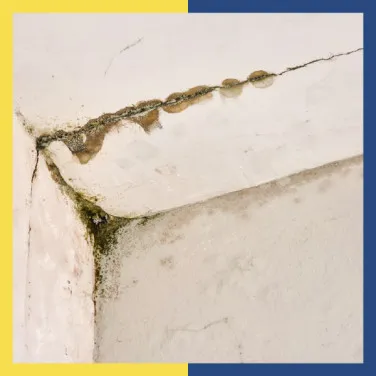
- Crack and discolouration: If the ceiling appears faded or discoloured in areas with cracks, it may indicate water-related damage. It means the ceiling is not waterproofed, and water leakage is causing the problem.
- Cracks wider than 1/8 inch: Although wide cracks are not superficial, they may indicate water leakage or seepage. Such cracks require roof waterproofing.
- Cluster of cracks: Multiple small cracks in the ceiling might indicate early signs of a possible cave-in.
- A diagonal crack across the ceiling: A large crack running diagonally across the ceiling indicates that the wall has suffered damage (most probably structural) and needs repair.
- Visible gap between the ceiling and the wall: If the crack indicates a gap between the ceiling and the wall, there might be a problem with your building's foundation. Either the foundation has shifted or is faulty, causing this gap.
- Crack across the ceiling and down a wall: A major crack running across the ceiling and down to the wall is serious. It might be a structure-related issue that needs immediate attention.

How roof leakage leads to ceiling cracks
When water enters through an unprotected roof, here’s how it leads to crack formation –
- Water seepage softens plaster and paint layers, causing them to crack and peel
- Continuous moisture weakens the bond between materials, creating surface stress
- Dampness leads to expansion and contraction, resulting in fine or widening cracks
- Over time, trapped moisture can corrode reinforcements and worsen ceiling damage
In such situations, applying roof crack filler alone is not enough unless the source of the leakage is addressed.
Why you shouldn’t ignore roof waterproofing

If roof waterproofing is ignored, the damage doesn’t stay limited to the roof. It gradually spreads and creates the following issues inside your home:
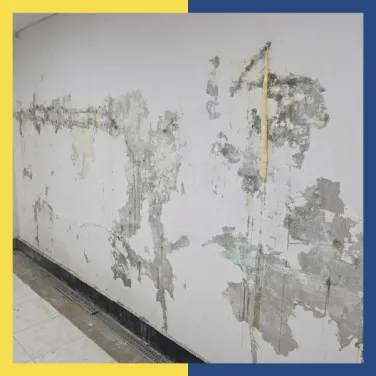
- Water seepage leads to ceiling cracks, damp patches, and peeling paint
- Structural elements weaken over time due to continuous moisture exposure
- Small roof crack repair issues turn into repeated ones, which can increase costs
- Indoor spaces become unhealthy due to persistent dampness
What could be prevented early with a roof crack solution becomes a bigger, more disruptive problem. Even repeated use of a roof crack filler will not help if waterproofing is skipped.
Choosing the right roof waterproofing solution

It is important to understand that different cracks require different solutions. Smaller cracks in your ceiling plaster or paint are due to water seepage, leaks, or constant exposure to moisture. These ceiling crack repair issues can only be resolved through roof waterproofing, which will also prevent water infiltration that affects the house's interiors.
However, if the cracks are bigger, seem to be expanding, and appear in the wall (brick or structure), it's a serious issue that simple roof crack-filling material or waterproofing won’t be enough for. This should be taken up immediately by an expert, such as an architect.
The bottom line
Paying heed to severe cracks and promptly seeking a professional's opinion will be a stitch in time saving nine for you. Fixing the ceiling cracks before they cause serious damage can help you save on future repair costs and avoid major inconveniences.
Dr. Fixit can help you assess and identify the cracks in your home. And if roof waterproofing or internal wall waterproofing is the solution, we can help you connect with certified contractors as well. You just need to fill out the form given below, and we’ll reach out to you for further assistance.
FAQs
FAQ#1 - Do ceiling cracks indicate structural problems?
Ceiling cracks are a common occurrence that needs immediate action. If the cracks look concerning, several factors can help determine the actual cause. Look for the size and type of ceiling crack. A hairline or spiderweb crack indicates lesser damage to the ceiling than jagged and diagonal cracks. If you see any water damage near cracks, get it checked immediately, as the cracks may lead to bigger problems if left unattended.
FAQ#2 - Does the ageing of the house cause ceiling cracks?
Yes, the house’s ageing can cause ceiling cracks. Paint buildup, plaster expansion and shrinking, or weakening of the building materials can all lead to such cracks. These cracks can also allow water to seep through, damaging the ceiling. It is therefore advisable to have roof waterproofing to prevent these cracks in the future.
FAQ#3 - How to avoid ceiling cracks?
There are various ways to avoid ceiling cracks. Roof waterproofing during construction can provide targeted protection against water leakage or seepage (both of which are major culprits). However, if they develop later, check whether they are cosmetic or require intervention, and consult an expert immediately.
FAQ#4 - When should you worry about cracks in the ceiling?
You should worry about ceiling cracks if they widen over time, appear with sagging, or form diagonal patterns. Multiple cracks or those extending from the ceiling to the wall may indicate structural or water-related issues. In such cases, it is best to consult a professional to assess the damage and identify the right solution.
FAQ#5 - Do cracks in the ceiling mean water damage?
Not all ceiling cracks mean water damage, but many are linked to moisture issues. If cracks appear with discolouration, damp patches, or peeling paint, it often indicates water seepage. In such cases, roof waterproofing can help address the root cause and prevent further damage.
Get Professional Waterproofing Solutions Today
Fill The Form below to took free site evaluation by Dr. fixit point safe painting service expert


नवीकरण
प्रश्न जो आपको अपार्टमेंट खरीदने से पहले एक सोसाइटी मैनेजर से बिल्डिंग के मरम्मत के बारे में पूछना चाहिए















Get Professional Waterproofing Solutions Today
Fill The Form below to took free site evaluation by Dr. fixit point safe painting service expert
