
Learn how to treat damp walls internally
Guide on how to treat damp walls internally
Dampness can cause many issues like musty smells, health hazards, and mould growth. To prevent that, it is crucial to treat damp walls internally. With these simple solutions, you can prevent dampness and create a safe living environment.



Have you seen a damp spot on your wall that’s bugging you? It should!
Wall dampness can lead to musty smells, mould growth, allergies, peeling wallpaper/plaster, and much more. Your home can easily become a breeding ground for fungi, mould, bacteria, and mosquitoes, too. That's why it is necessary to treat moisture in walls in time.
In this article, we will see how to treat dampness in internal walls and how waterproofing can help protect your home.
What causes dampness in internal walls?

In many homes, wall dampness appears when moisture slowly enters the structure. This usually happens when waterproofing is skipped or delayed during construction or maintenance. But there are other reasons. Let’s understand them all –
- Rainwater seepage
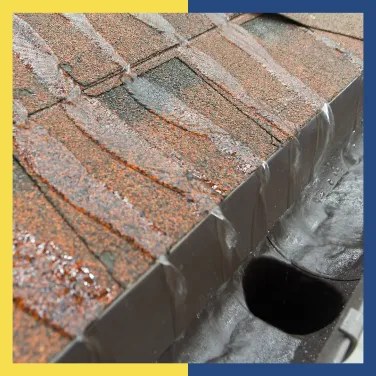
During the monsoon season, rainwater accumulates on the roof or in the gutters, can seep through the walls, and can cause dampness.
- Intrusion from exterior walls
Water can seep through the exterior wall, creating dampness on the interior wall.
- Leaky roofs or pipes
Leaky roofs (from water pooling, busted pipes, water tank seepage, etc.) can cause dampness. Similarly, water from leaky pipes can seep inside the walls.
- Poor ventilation
When there's insufficient airflow inside the house, moisture can be retained. It could lead to dampness.
- Condensation
When condensation occurs, it leaves water droplets on the walls. These drops can dampen those walls.
How to identify dampness in internal walls?

Here are some common signs that may indicate internal wall dampness:
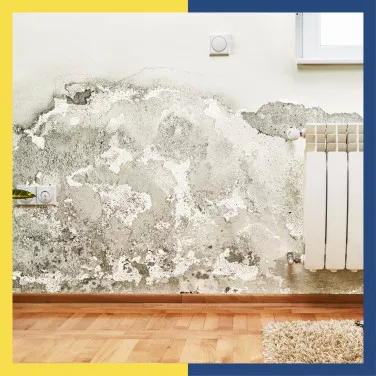
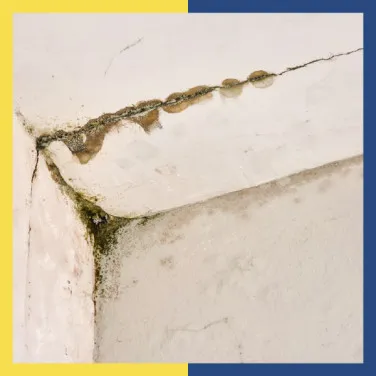
- Dark or uneven damp patches may appear on walls, often near ceilings, corners, or around windows
- Moisture inside the wall can cause the paint or exterior coating to bubble, peel, or flake
- A persistent musty smell in a room may indicate moisture trapped within the walls
- Small black, green, or grey spots on walls in damp corners or behind furniture can indicate mould or fungal growth
Do internal walls need damp proofing?

Yes, internal walls need protection against moisture to keep living spaces healthy and comfortable. Moisture can travel through walls from the roof, exterior surfaces, plumbing lines, or trapped humidity inside the house.
Treatment for dampness in walls adds a protective moisture barrier that limits moisture movement, keeps surfaces dry, and reduces the chances of stains, peeling coatings, or mould growth.
This step helps maintain cleaner walls and a more comfortable indoor environment.
How to treat dampness in internal walls?

If you notice signs of moisture on your walls, the right approach is to protect your home from further water intrusion. The best damp wall solution is to waterproof your house. You can consider the following for the most effective treatment for dampness in walls:
- Choose effective waterproofing solutions
Employ effective waterproofing solutions to internal and external walls and the roof. You can use one of the many waterproofing materials by Dr. Fixit for wall seepage solutions. An expert from Dr. Fixit can guide you through different products and specific materials formulated to waterproof different house parts.
There are also other ways to ensure your house has no damp walls.
- Implement proper ventilation
Proper ventilation is key to keeping moisture from building up inside the house. You can –
a. Keep the bathroom ventilated, especially after showering
b. Use exhaust fans in kitchens and bathrooms
c. Use dehumidifiers to draw moisture from the air and create a drier environment
- Regular maintenance and inspection
Routine checks can prevent dampness from becoming a bigger issue.
a. Inspect your home regularly for signs of dampness
b. Check gutters and drains to ensure they are not blocked
c. Repair any leaks immediately, whether from roofs, pipes, or appliances
How to repair a damp internal wall?

While treatment for dampness in walls addresses the source of moisture and prevents the problem from worsening, the wall surface may still show visible damage. Repairing a damp wall helps restore its appearance after moisture protection measures are in place.
Here are the basic steps to repair internal wall dampness:
- Ensure waterproofing is done first
Waterproof the roof, exterior walls, and wet areas like kitchens and bathrooms to prevent moisture from re-entering the walls.
- Allow the wall to dry completely
Proper ventilation helps trapped moisture escape before repair work begins.
- Remove damaged layers
Scrape off peeling paint, loose exterior coating, or weak plaster from the wall surface.
- Restore and refinish the wall
Apply fresh plaster where needed and reapply the final wall coating once the surface is smooth and dry.
Dealing with damp internal walls professionally

Using the right waterproofing solutions can effectively eliminate wall dampness from your home. This promotes a safer living space, allows you to enjoy worry-free monsoons, safeguards your home from water-related damage, and increases property value.
Dr. Fixit's waterproofing material is always reliable in solving these issues. To get the right product recommendation, fill out the form below and connect with experts at Dr. Fixit.
Frequently asked questions (FAQs)
FAQ#1 – How to get rid of moisture inside walls?
The best possible way to manage moisture and wall dampness is waterproofing. Applying the waterproof coating and improving ventilation helps control moisture and protect internal walls.
FAQ#2 – How to dry out damp internal walls?
To dry out damp internal walls, first address the moisture source and waterproof the affected walls. Proper airflow and treatment for dampness in wall surfaces can restore a dry indoor environment.
FAQ#3 – What is the permanent solution for a damp wall?
Waterproofing is the most effective treatment for dampness in wall surfaces, as it blocks moisture entry and helps keep internal walls dry and protected.
FAQ#4 – Is dampness in walls a health hazard?
Yes, wall dampness can lead to mould growth and poor indoor air quality, which may affect health if ignored. Learning how to prevent dampness in walls through waterproofing and ventilation helps maintain a healthier home.
Get Professional Waterproofing Solutions Today
Fill The Form below to took free site evaluation by Dr. fixit point safe painting service expert





Get Professional Waterproofing Solutions Today
Fill The Form below to took free site evaluation by Dr. fixit point safe painting service expert
