
10 Waterproofing Mistakes That Cause Leaks
10 Waterproofing Mistakes That Cause Leaks (and How to Avoid Them)
Proper surface preparation is essential; dirt, loose material, cracks and defects can weaken waterproofing adhesion and performance. Select waterproofing products based on the substrate, application area, and site conditions, not price or availability alone. Correct coat thickness, coverage of corners and joints, drying intervals and curing must follow the product’s Technical Data Sheet (TDS). Weather conditions can affect waterproofing application, so assess wet or monsoon conditions carefully before work begins.



Table of Contents
Water leakage rarely starts with one obvious problem. Small application errors can create weak points over time. Understanding Common waterproofing mistakes during construction helps you prevent recurring dampness and seepage.
The right waterproofing system needs more than a coating. You need correct diagnosis, surface preparation, application and curing. Dr. Fixit helps you connect these steps with the right waterproofing solutions.
The Mistakes That Cause Most Leaks
Here are ten waterproofing mistakes that cause leaks:
- Applying waterproofing over a dirty surface.
- Ignoring cracks, joints and surface defects.
- Choosing a product without checking the substrate.
- Applying coats that are too thin.
- Missing corners and difficult-to-reach areas.
- Adding water or materials against product instructions.
- Applying coats before the previous coat is ready.
- Skipping the recommended curing process.
- Applying products in unsuitable weather conditions.
- Testing or protecting the treated area too early.
These errors can reduce adhesion, coverage and overall system performance.
Prep & product mistakes
A common mistake is applying a coating over dust, oil or loose material. The surface needs proper preparation first. Cracks, voids and undulations should also be addressed. Repair any surface defects before applying a waterproofing coat.
Additionally, prime the surface before applying a new waterproofing layer. Primers improve bonding between the surface and the waterproofing coating. For suitable wall applications, Dr. Fixit Primeseal can provide a prepared base for subsequent coats.
Another common mistake is not choosing a waterproofing product based on the surface that needs protection. Different substrates have different needs, so the product you choose must be ideal for the surface you want to waterproof. Using a product recommended for waterproofing walls on your foundation can lead to future failure.
Don’t choose a product based on price or availability alone. Always look for the long-term benefits and surface compatibility first. For example, Dr. Fixit Pidifin 2K can be used to waterproof wet areas like water tanks, bathrooms, kitchens, etc.
Application & curing mistakes
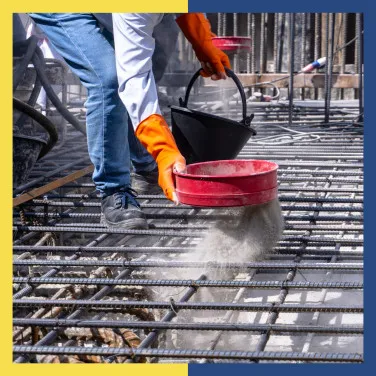
Insufficient material can affect the required film thickness. It may leave vulnerable areas across the substrate. Follow the product's technical instructions for coverage, thickness and number of coats. Do not stretch material beyond the recommended application.
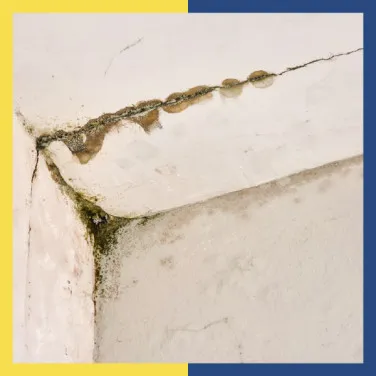
Corners, junctions and construction joints need special attention, as they can become vulnerable points, especially during the monsoons. Water can find paths through small gaps or untreated transitions. The correct system should address these areas as part of the overall treatment.
How to Get Each One Right
To avoid common waterproofing mistakes, you need to follow the proper steps for waterproofing without improvising. Also, follow the product’s Technical Data Sheet (TDS) thoroughly to get the best results.
Right way to waterproof
- Clean the substrate thoroughly
- Remove loose material, dirt and other contaminants
- Repair visible cracks and defects
- Use an appropriate primer (if specified)
- Ensure that the primer is dry before waterproofing
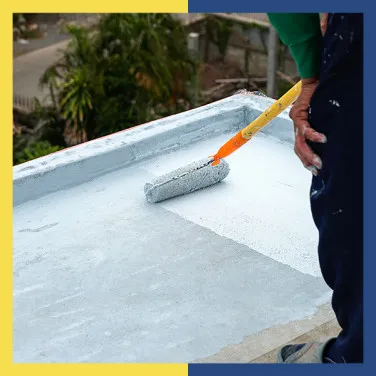
- Apply waterproofing coats as specified in the product’s TDS
- Ensure that coats are applied evenly
- Cover all vulnerable areas, such as corners or joints
- Let the waterproofing membrane dry completely before adding the finishing layer (tiles/stone etc.)
Why is curing important?
Curing allows the waterproofing system to develop as intended. Skipping or shortening this stage can compromise the treatment. For Dr. Fixit Pidifin 2K, the technical guidance specifies air curing for three to five days, with moist hessian cloth recommended where required. Follow the technical data sheet for the exact project conditions.
Can waterproofing be applied during the monsoon?
Weather conditions matter. Rain, standing water and unsuitable substrate conditions can interfere with application. Do not proceed simply because a leak needs immediate attention. Have a waterproofing professional assess the surface. The correct timing depends on the product, substrate and site conditions.
A Quick Pre-Job Checklist
Use this quick checklist to avoid common waterproofing mistakes:
- Check the actual source of dampness or leakage
- Clean and prepare the substrate
- Repair cracks, joints and surface defects
- Select the system for the specific application area
- Check the product's technical instructions
- Confirm the recommended coat thickness
- Treat corners and junctions carefully
- Allow the required interval between coats
- Follow the recommended curing process
- Protect and test the treated area only as specified
Good waterproofing is a system, not simply a surface coating. The right diagnosis and application process can help reduce recurring moisture problems. For more guidance, fill out the form given below to connect with an expert consultant from Dr. Fixit.
Frequently asked questions
What are the most common waterproofing mistakes?
Common errors include poor surface preparation, unsuitable product selection, inadequate coating thickness, missed corners, incorrect curing, and unsuitable application conditions.
Why does waterproofing fail?
Waterproofing can fail when the substrate is poorly prepared, or the system is incorrectly selected or applied. Recurring leakage can also indicate an unresolved structural, plumbing or drainage issue.
How many coats of waterproofing are needed?
The number of coats depends on the product and application area. Follow the manufacturer's technical data sheet rather than applying an arbitrary number of coats.
Can waterproofing be done during the monsoon?
Waterproofing during wet weather requires careful assessment. Rain and excessive moisture can affect application. A professional should assess the site and recommend suitable timing.
How do I make waterproofing last longer?
Use the correct system, prepare the substrate properly and follow application and curing instructions. Regularly inspect vulnerable areas such as terraces, bathrooms and external walls.
Get Professional Waterproofing Solutions Today
Fill The Form below to took free site evaluation by Dr. fixit point safe painting service expert


नवीकरण
प्रश्न जो आपको अपार्टमेंट खरीदने से पहले एक सोसाइटी मैनेजर से बिल्डिंग के मरम्मत के बारे में पूछना चाहिए











Get Professional Waterproofing Solutions Today
Fill The Form below to took free site evaluation by Dr. fixit point safe painting service expert
