
How waterproofing helps maintain indoor air quality
How waterproofing can boost air quality in your home
Indoor waterproofing plays a key role in maintaining healthy indoor air quality by preventing moisture, seepage, mould, mildew, and damp odours. When waterproofing is neglected, excess humidity and fungal growth can trigger allergies, respiratory discomfort, and other health issues. Proper waterproofing solutions for interior walls help keep homes dry, cleaner, fresher, and more comfortable while reducing long-term maintenance costs.



Table of Contents
- What is indoor air quality (IAQ)?
- Why does indoor air quality matter?
- The hidden link between waterproofing and IAQ
- What happens when waterproofing is neglected?
- How does moisture impact indoor air quality?
- Health risks of poor indoor air quality
- How waterproofing improves indoor air quality
- Long-term benefits of waterproofing for IAQ
- Why and how you can ensure freshness in your home
- Protect your indoor air quality with professional waterproofing
- Frequently asked questions (FAQs)
Everyone loves unwinding at home after a long workday. Whether it’s taking a warm shower, lounging on a comforting couch, or simply taking a short nap. But while you may be aware of outdoor pollution, it’s also important to consider the air you breathe inside your home. The best air quality not only refreshes your mind but also contributes to your well-being. Surprisingly, maintaining air quality levels starts with something as fundamental as indoor waterproofing.
Let’s take a closer look at how waterproofing solutions for interior walls can create a healthier indoor environment.
What is indoor air quality (IAQ)?
Before we move ahead, let’s first understand what indoor air quality means.
Indoor air quality (IAQ) refers to the condition and cleanliness of the air inside a building or home. It is determined by factors such as humidity, ventilation, pollutants, dust, allergens, and other airborne contaminants that can affect occupants’ comfort and health.
Why does indoor air quality matter?

Indoor air quality plays an important role in maintaining a healthy and comfortable home environment.
Since people spend a significant amount of time indoors, the quality of indoor air directly affects daily well-being. Poor indoor air quality, caused by moisture, mould, allergens, and damp conditions, can lead to respiratory discomfort, allergies, headaches, fatigue, and eye and throat irritation. In some cases, prolonged exposure to polluted indoor air may worsen asthma and other breathing-related conditions.
Clean, fresh indoor air helps create a more comfortable living space, supports better health, and improves the quality of life for you and your family.
The hidden link between waterproofing and IAQ
While ventilation and cleanliness are commonly associated with indoor air quality, indoor waterproofing is another important factor that is often overlooked.
- Excess moisture entering through walls, ceilings, and roofs can create damp conditions inside the home
- Over time, this moisture build-up encourages the growth of mould and mildew
- Fungal growth releases spores and airborne particles that reduce indoor air quality
- Water seepage can also damage walls and paint, create unpleasant odours that attract dust mites and insects that trigger allergies
These issues not only affect the comfort of your living spaces but may also impact your health in the long run.
This is where proper internal wall waterproofing becomes essential. By preventing water intrusion and controlling moisture levels, waterproofing helps maintain a dry, clean, and healthier indoor environment. It also helps reduce the risk of mould growth, allergen accumulation, and persistent damp odours, making your home feel fresher and more comfortable year-round.
What happens when waterproofing is neglected?

Without proper indoor waterproofing, your home becomes susceptible to issues that impact air quality. They can include –
- Seepages and leaks
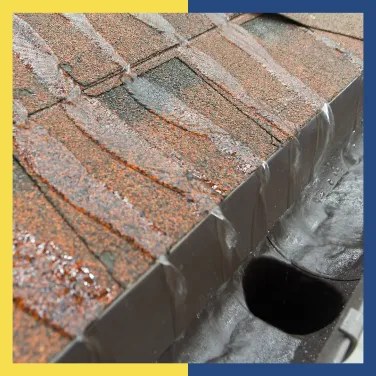
Water can seep through cracks in walls and roofs without waterproofing. It leads to moisture build-up.
- Mould and mildew growth
Damp conditions encourage mould and mildew. They release spores into the air, reducing air quality levels. Such conditions can cause respiratory issues, such as asthma and allergies.
- Unpleasant odours
Moisture can cause a musty smell, making your living space feel stale and uncomfortable.
- Allergen triggers
Damp environments attract mites and insects that carry allergens. They can worsen conditions for those with respiratory problems.
- Health risks
Mould spores, allergens, and poor ventilation can have long-term health implications, including respiratory stress and hay fever symptoms.
Failing to waterproof can lead to several problems that compromise your home’s air quality.

How does moisture impact indoor air quality?
When water enters through cracks, damaged roofs, or poorly sealed surfaces, it creates damp conditions that affect both your living environment and your health. Over time, excess moisture can lead to the following:
- Mold and mildew growth
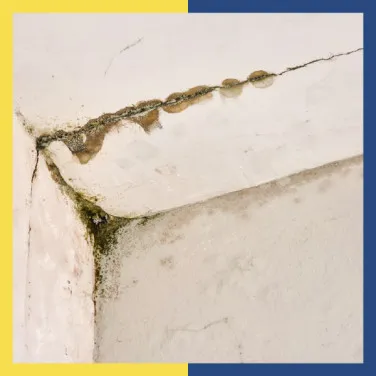
One of the most common effects of moisture build-up is the growth of mold and mildew. Damp walls, ceilings, and corners provide the ideal environment for spores to spread. As mold develops, it releases airborne particles that can trigger allergies, breathing discomfort, and unpleasant odours. Hidden mold behind walls or beneath flooring may continue affecting indoor air quality even before visible signs appear.
- Increased humidity levels
Excess moisture also raises indoor humidity levels. High humidity can make your home feel warm, sticky, and uncomfortable while reducing air freshness. It may also create favourable conditions for dust mites, bacteria, and other allergens to thrive, further affecting the air you breathe every day.
- Release of harmful chemicals
Moisture damage can weaken paints, adhesives, sealants, and other building materials. As these materials break down, they may release volatile organic compounds (VOCs) and other harmful particles into the air. When combined with poor ventilation, damp conditions can increase exposure to indoor pollutants over time.
- Structural damage and airborne particles
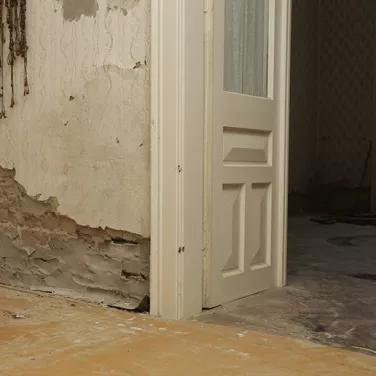
Long-term water seepage can damage walls, ceilings, and concrete surfaces. Crumbling plaster, peeling paint, and weakened materials often release dust and fine particles into the air. These particles can circulate indoors, making it harder to maintain clean, healthy air in the home.
Health risks of poor indoor air quality

When indoor air quality declines, the effects are often felt in everyday life. Exposure to mould spores, allergens, dust, and pollutants can lead to symptoms such as coughing, sneezing, headaches, throat irritation, and breathing discomfort. For individuals with asthma, allergies, or respiratory conditions, damp indoor environments can worsen existing health concerns.
Children and older adults may be particularly sensitive to poor indoor air quality. Over time, continuous exposure to moisture-related pollutants may also affect sleep quality, comfort, and well-being.
This is why addressing the root cause of dampness with indoor waterproofing is important for maintaining a healthy home.
How waterproofing improves indoor air quality

The most effective way to control moisture-related air quality problems is through proper waterproofing solutions for interior walls. It prevents water intrusion at the source, creating a cleaner, healthier indoor environment.
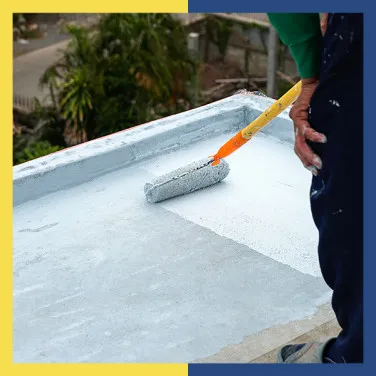
Waterproofing paint for interior walls seals cracks, protects walls and roofs from seepage, and reduces the risk of dampness inside the home. This helps limit mould growth, control indoor humidity, and protect building materials from damage that may release harmful particles into the air.
In addition, internal wall waterproofing creates a stronger barrier against allergens, pests, and moisture accumulation. A dry, well-protected home naturally supports better ventilation, fresher indoor air, and improved comfort year-round.
Long-term benefits of waterproofing for IAQ
Investing in waterproofing solutions for interior walls offers long-term advantages beyond protecting your property from visible damage. It helps control moisture-related issues before they affect indoor comfort and air quality.
Over time, internal wall waterproofing can help:
- Reduce mould and mildew recurrence
- Improve overall indoor comfort
- Minimise maintenance and repair costs
- Protect walls, ceilings, and flooring from water damage
- Support a healthier living environment for your family
With proper waterproofing paint for interior walls, you can maintain cleaner indoor spaces and enjoy greater peace of mind year-round.
Why and how you can ensure freshness in your home
Waterproofing is the cornerstone of maintaining fresh, breathable air inside your home. Here’s how it helps improve and sustain air quality –
- Prevents moisture accumulation
Proper waterproofing solutions prevent moisture from seeping through walls and roofs. Thus, keeping your home dry eliminates the root cause of mould and mildew, assuring the best indoor air quality.
- Protects interiors from water damage
Waterproofing prevents seepage and damage that could compromise your home’s structural integrity. Keeping your walls and ceilings intact can create a clean, mould-free environment, which helps maintain indoor air quality.
- Reduces humidity
Excessive humidity contributes to poor air quality. Waterproofing your home reduces indoor humidity by preventing water intrusion. As a result, you can enjoy consistently fresh and healthy air in your living spaces.
- Blocks the entry of allergens and pollutants
Waterproofing minimises the chances of pests, mites, and insects entering your home. These intruders are known to carry allergens and diseases that affect air quality. A sealed, waterproof home creates a safe and hygienic indoor space.

Protect your indoor air quality with professional waterproofing
Waterproofing is essential to achieving the best air quality, but it often goes unnoticed. It prevents moisture, mould, and allergens from building up for a healthier home. Connect with the experts at Dr. Fixit today to learn more about how waterproofing can transform your home into a haven of fresh air.
Fill out the form below, and let Dr. Fixit help you maintain air quality in your home.
Frequently asked questions (FAQs)
How does waterproofing improve IAQ?
Waterproofing prevents dampness and mould growth, helping maintain cleaner and healthier indoor air quality. Indoor waterproofing also reduces allergens caused by moisture build-up.
Can waterproofing reduce humidity levels?
Yes, internal wall waterproofing helps control excess moisture and humidity indoors. It can also help keep spaces dry and comfortable.
Does waterproofing prevent pollutants?
Waterproofing seals cracks and gaps that may allow moisture, dust, and allergens to enter the home. It also helps keep walls cleaner and more hygienic.
What health benefits does waterproofing offer?
By reducing mould, mildew, and dampness, waterproofing can help lower the risk of allergies, respiratory irritation, and poor indoor air quality.
Is waterproofing cost-effective for IAQ?
Yes, waterproofing solutions for interior walls prevent costly repairs from water damage and support better indoor air quality over time.
Get Professional Waterproofing Solutions Today
Fill The Form below to took free site evaluation by Dr. fixit point safe painting service expert


नवीकरण
प्रश्न जो आपको अपार्टमेंट खरीदने से पहले एक सोसाइटी मैनेजर से बिल्डिंग के मरम्मत के बारे में पूछना चाहिए










Get Professional Waterproofing Solutions Today
Fill The Form below to took free site evaluation by Dr. fixit point safe painting service expert
