
Water Leaking From Electrical Outlet: Fixes | Dr. Fixit
Water Leaking From an Electrical Outlet: Causes & Safe Fixes
Water leakage problems pose risks such as electrical hazards that can negatively impact your well-being. Know how waterproofing can help you safeguard your home and mitigate the consequences of this issue.



Water leakage problem is a common household challenge that can lead to various risks, including one of the most dangerous ones — electric hazards. This often underestimated danger arises when water infiltrates electrical wiring or appliances, creating an ideal environment for shocks and fires. Neglecting this silent threat can have severe consequences.
In this article, we will understand how electrical hazards arise from water leakage problems and why it is important to consider waterproofing solutions to prevent mishaps.

What is water leakage?
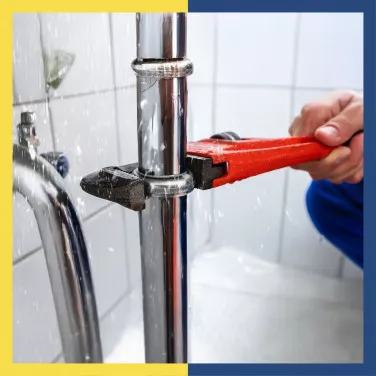
Water leakage happens when water seeps through roofs, walls, floors, or plumbing zones and enters spaces it shouldn’t. It can occur in wet areas of bathrooms and kitchens, through cracks in concrete, or from faulty plumbing lines and poorly sealed construction joints.
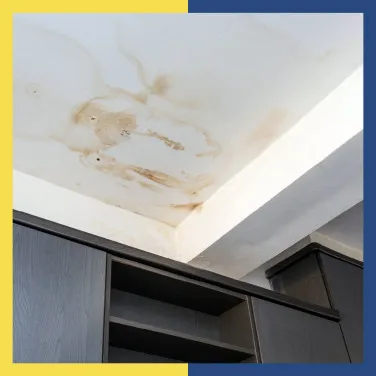
Leakage may appear as damp patches, dripping water, stains on ceilings, peeling paint, swollen walls, or moisture near electrical points.

Why don’t electricity and rainwater mix?
Rainwater naturally picks up salts and minerals from surfaces, making it conductive. When it comes near a power source, these minerals allow electrical current to travel through water instead of staying within insulated wiring. As a result, electricity can spread in unwanted directions, including through surfaces or objects that shouldn’t carry current. This is what makes even small amounts of rainwater unsafe around electrical systems.

How can water leakage problems cause electrical hazards?
Water and electricity are a deadly combination. When water comes into contact with electrical wiring or appliances, it can lead to severe consequences.
Here are some dangers associated with water leakages -
- Short circuits
Water can cause short circuits, leading to appliance malfunctions, damage to electrical circuits, and, in extreme cases, fires.
- Electrical shocks
Water is an excellent conductor of electricity. A water leak near electrical outlets or wiring significantly increases the risk of electrical shocks, posing a severe threat to individuals in the vicinity.
- Corrosion and deterioration
Persistent exposure to water can lead to corrosion and deterioration of electrical components over time. This weakens the electrical system, making it prone to failures and hazards.
- Fire hazards
Perhaps the most severe consequence of water coming in contact with electrical systems is the potential for fires. Water can initiate a spark or lead to overheating, resulting in devastating consequences for property and life.

What do you do if you see signs of electrical problems?
If you notice flickering lights, sparks near switches, or moisture around wiring or appliances, act quickly and treat it as a safety concern before any repairs are planned. Here’s what you can do -
- Turn off the electrical supply
Immediately switch off the power in the affected area to stop current from flowing through damp or risky points.
- Keep a distance from wet areas
Avoid touching switches, sockets, or appliances if there is any sign of moisture, especially near kitchen sinks or areas with bathroom leakage.
- Call a qualified electrician
Allow a certified professional to inspect wiring, check damaged fixtures, and guide the next steps safely. Do not attempt to handle electrical repairs yourself in wet conditions.
- Document visible signs
Note any stains, damp patches, or unusual smells around ceilings, tiles, or walls, as these details can help professionals trace the source faster.

Can water leaks cause short circuits?
Yes. When water enters an electrical point, wiring, or appliance, it can create an unwanted pathway for electrical current. Since water conducts electricity, even minor moisture from ceiling seepage or bathroom leakage can disrupt the normal flow inside circuits. This can damage components, trip circuits, or ruin connected appliances.
For instance, a ceiling leak can lead to an electrical fire if moisture reaches wiring, junction boxes, or lighting fixtures. Contact between water and live wires can generate sparks. If these sparks reach flammable building materials, they can ignite and trigger a fire.

Precautions during water leakages
It's important to take precautionary measures to prevent risks associated with water leakage problems. This should especially be followed when dealing with electrical components that come in regular contact with water, like geysers, refrigerators, and washing machines.
Here are some precautions to consider -
- Turn off power
If water leaks around any electrical appliance, immediately turn off the power supply to prevent electrical shocks and reduce the risk of fire.
- Avoid wet areas
Water increases conductivity, making it easier for electrical currents to pass through the body. Thus, refrain from touching electrical appliances or outlets in areas affected by water leaks.
- Use insulated tools
When handling electrical components in damp conditions, ensure the use of insulated tools like gloves, rubber slippers, etc., to minimise the risk of shocks.
- Regular inspections
Inspect your electrical system to identify and address potential issues before they escalate. This proactive approach can prevent hazards caused by water leakages.
Importance of waterproofing to prevent electric hazards
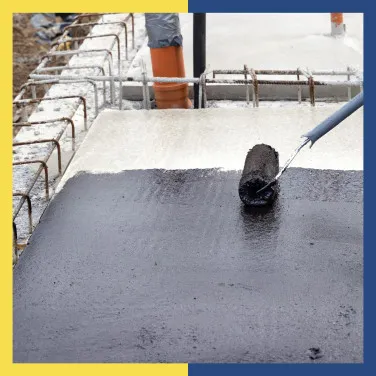
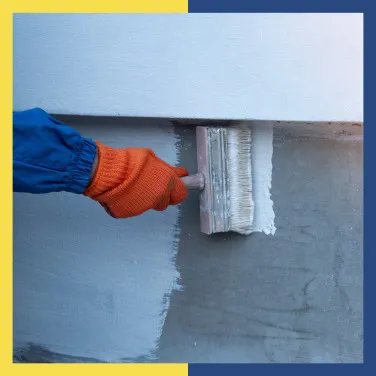
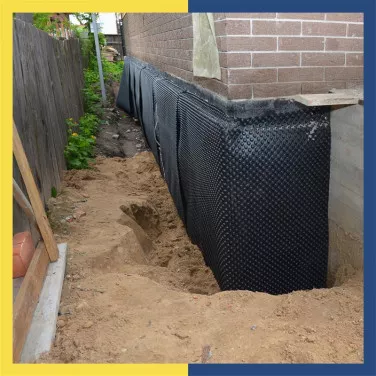
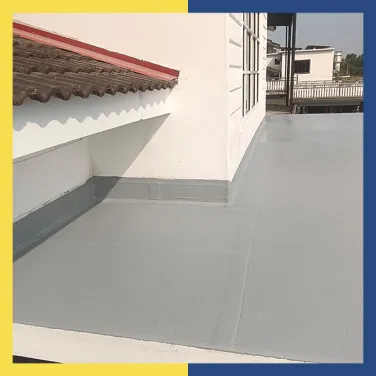
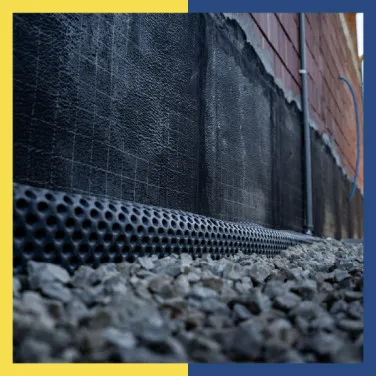
Waterproofing is an effective water leakage solution that safeguards your home from potential risks. It forms a protective barrier that blocks seepage near electrical systems, preventing damage to your house and lowering the risk of electrical hazards. Consider applying waterproofing solutions to wet areas like bathrooms and kitchens, and seek the help of professionals to ensure effective waterproofing.

Safeguard your house from water leakage problems
Water leakages should never be taken lightly, especially concerning electrical systems. Recognising the connection between water leakage problems and electrical hazards is crucial for the safety of your home and loved ones. Take proactive measures to waterproof your home, especially in areas prone to water leaks.
With its extensive product line, Dr. Fixit is a go-to expert in waterproofing. Fill out the form below to contact our experts and protect your home from water leakage and electrical risks.
Frequently asked questions (FAQs)
- How long does it take for electrics to dry out?
There’s no fixed drying time for electrical wiring because the priority should be to stop water penetration rather than wait for the wiring to dry. With the help of waterproofing solutions, you can protect your electrical points from repeated exposure.
- What damage can a water leak do to a ceiling?
A water leakage above the ceiling or a roof seepage can weaken plaster, affect light fittings, and allow moisture to travel across concealed wiring. Treating the source early with waterproofing solutions keeps the ceiling dry and prevents these concerns from resurfacing.
- What damage can a leaking roof cause?
A leaking roof can lead to damp ceilings, peeling paint, swollen plaster, and exposure of electrical points. When addressed through reliable roof leakage solutions, waterproofing seals the slab and prevents moisture from entering walls and fixtures. It reduces repairs and protects interior fittings.
- Is a ceiling leak an emergency?
Yes, a ceiling leak is an emergency because the moisture can reach electrical wiring and light fixtures. If the leak comes from a washroom above, bathroom leakage repair is required to stop water at the source. When moisture enters from the top slab, roof leakage solutions block seepage and protect electrical systems below.
Get Professional Waterproofing Solutions Today
Fill The Form below to took free site evaluation by Dr. fixit point safe painting service expert



New Home
Importance of getting waterproofing before designing your house | Drfixit Waterproofing Solutions

New Home
Playing with Colour - The rang barse wall protection from Dr. Fixit Raincoat - The Happy Homes

New Home
The difference between waterproofing and damp proofing | Drfixit Waterproofing Solutions









New Home
Is your contractor doing a hasty job? Here's how to ensure quality waterproofing solutions


New Home
Waterproof coating for walls: Selecting the long-lasting solution for your walls


Get Professional Waterproofing Solutions Today
Fill The Form below to took free site evaluation by Dr. fixit point safe painting service expert
