
Why Waterproofing Matters in Construction
Why Waterproofing Matters in Construction: Costs, Risks & ROI
Plan waterproofing from the construction stage to prevent seepage, dampness, mould growth, and damage to finishes. Critical areas such as foundations, roofs, terraces, external walls, bathrooms, wet areas, and water tanks require systems suited to their specific condition. Effective waterproofing involves more than applying a coating; it requires proper diagnosis, surface preparation, material selection, curing, and inspection. Preventive waterproofing can reduce the likelihood of disruptive repairs, repeated maintenance, material replacement, and other costs.



Table of Contents
Water may look harmless, but it can cause extensive damage to a building. Seepage can affect finishes, concrete, and reinforcement, and can even lead to mould growth within the building. That is why waterproofing is essential and should be considered from the planning stage. Good waterproofing protects vulnerable areas before problems start to appear. It also helps reduce the need for disruptive repairs later.
The right approach is not simply adding a coating. It involves diagnosis, surface preparation, finding compatible materials, and proper application.
What Happens Without Waterproofing
Without proper waterproofing, your construction is vulnerable to water seepage and other water-related issues. Water leaks can become a persistent problem, and long-term exposure can corrode your building’s structural elements, creating serious safety concerns.
The risks
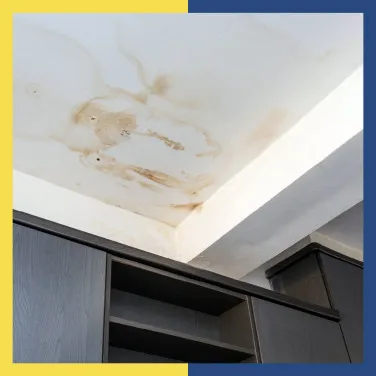
Water can enter through cracks, joints, porous concrete, and service openings. Over time, repeated moisture exposure can damage finishes and building components.
Common risks include:
- Leaks and damp patches
- Peeling or damaged finishes
- Moisture-related deterioration
- Corrosion of steel reinforcement
- Mould growth in persistently damp areas
- Repeated repair and maintenance costs
Moisture can affect reinforcement and finishes when water enters vulnerable areas. The visible stain is often only the symptom. The actual entry point may be elsewhere. Professional assessment is a must, as experts can identify the source of leakage before recommending a suitable Dr. Fixit waterproofing solution.
Why Waterproofing Matters
Waterproofing planned during construction can protect areas before finishes conceal them. Retrofitting protection later may require breaking finishes, removing damaged material, and carrying out additional repairs. Simply put, waterproofing planned from the start can reduce the risk of costly renovations later.
Cost of failure vs prevention
The cost of waterproofing varies by area, system, and site conditions. Treat it as a project-specific investment, not a fixed percentage.
A useful principle to keep in mind is:
Preventative waterproofing generally costs less than repairing water-related damage after construction.
Failure can involve more than material costs. It may also involve:
- Labour for removing damaged finishes
- Replacement of affected materials
- Rework and access costs
- Disruption to occupants
- Delays to project completion
- Repeated maintenance
Waterproofing during construction helps address vulnerable areas before they become hidden problems later.
Where Waterproofing Is Critical
Waterproofing every part of the construction is generally the wisest choice if you want to protect your building from recurring water leaks. However, certain critical zones need special attention, as they are especially vulnerable to water damage if left unprotected.
Critical zones
Different parts of a building face different moisture risks. Each area needs an appropriate waterproofing system.
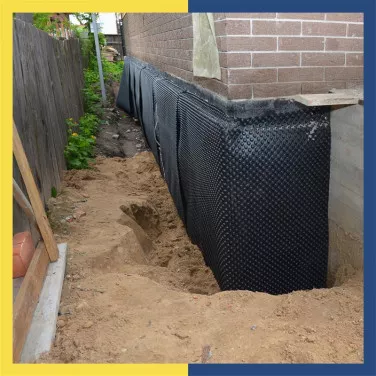
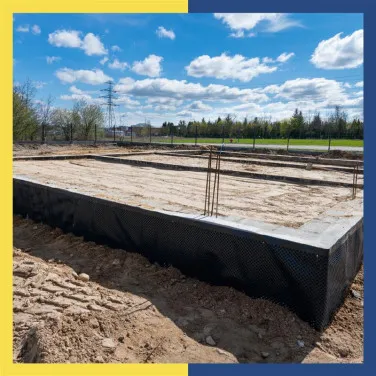
Foundation: Below-ground structures can face moisture from surrounding soil. Foundation waterproofing helps manage this exposure.
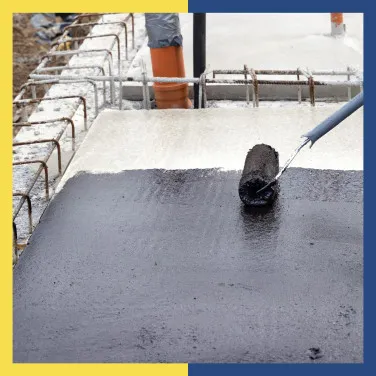
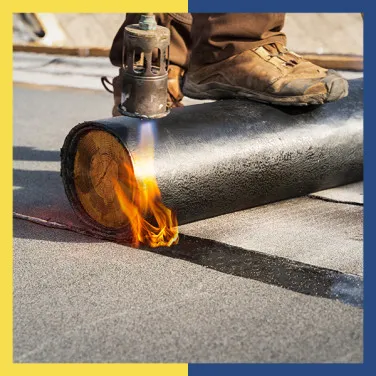
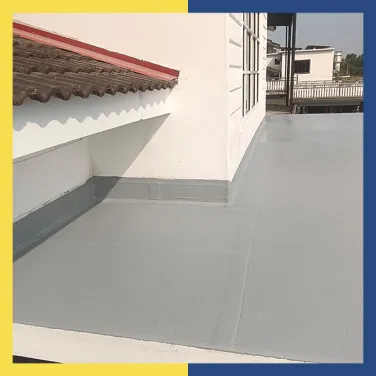
Roof and terrace: Rain, standing water, thermal movement, and cracks can create pathways for water. Proper roof waterproofing helps protect the slab and interiors.
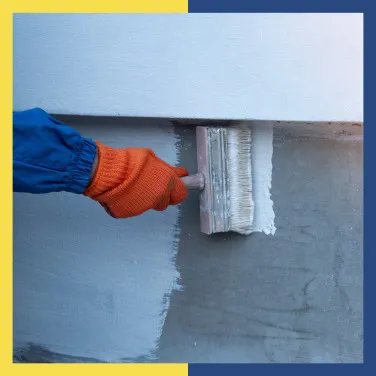
External walls: Rainwater can enter through cracks and porous surfaces. The appropriate exterior system depends on the wall and exposure.
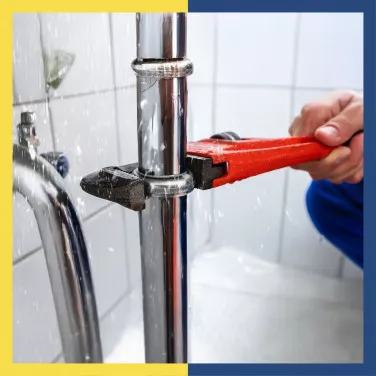
Bathrooms and wet areas: Frequent water exposure makes joints, corners and service penetrations particularly important.
Water tanks: Water-retaining structures need systems suited to continuous water exposure.
Doing It Right From Day One
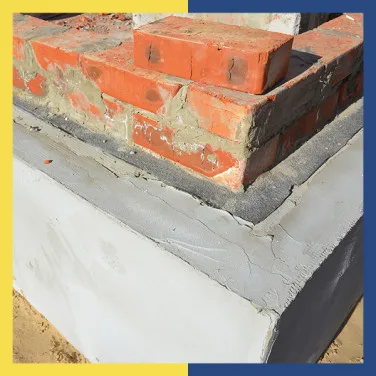
Effective construction waterproofing starts before the building is finished. First, assess the site and identify vulnerable areas. Next, select compatible waterproofing products for each application. Apply the products according to their individual technical data sheets.
For example, Dr. Fixit Pidiproof LW+ is an integral liquid waterproofing compound for concrete, mortar and plaster. The product is designed to reduce water permeability, improve workability, and reduce shrinkage crack development.
A complete system can combine integral protection with area-specific treatments. This helps ensure that different moisture risks are addressed rather than relying on one product everywhere.
A reliable process typically includes:
- Identifying moisture risks during planning
- Selecting the right system for each area
- Preparing surfaces correctly
- Treating joints, cracks and penetrations
- Following specified application methods
- Allowing adequate curing
- Inspecting completed work
- Maintaining vulnerable areas over time
This is why waterproofing solutions should be selected based on the structure, exposure, and application rather than simply on price.
With Dr. Fixit, you can explore systems for new construction and different areas of the building. Fill out the form given below to connect with a waterproofing expert today.
FAQs
Why is waterproofing important in construction?
Waterproofing can protect your building from water ingress before it causes major damage. It can help protect concrete, reinforcement, finishes, and other vulnerable building components.
What happens if you do not waterproof a building?
Water can enter through cracks, joints, porous materials, and service openings. Continued moisture exposure may contribute to dampness, damaged finishes, reinforcement corrosion, and repeated repairs.
When should waterproofing be done?
Consider waterproofing during the design and construction stages. Planning early lets you treat vulnerable areas before finishes hide access points.
Does waterproofing add value to a property?
Proper waterproofing can support a property's condition and durability by reducing moisture-related damage and recurring repairs. The actual impact on property value depends on the building, location and overall condition.
Which areas must always be waterproofed?
Key areas that commonly require protection include foundations, roofs, terraces, external walls, bathrooms, wet areas, and water-retaining structures. The required system depends on the exposure and construction details.
Is waterproofing only needed in areas with heavy rainfall?
No, buildings can face moisture from rain, groundwater, plumbing, wet areas, and condensation. The appropriate protection depends on the source and level of exposure.
Can one waterproofing product be used everywhere?
Different areas have different exposure conditions and construction requirements. Select a suitable system for each application.
Can waterproofing be added after construction?
Yes, remedial waterproofing is possible in many situations. However, early planning can reduce the need for disruptive repairs and make vulnerable areas easier to treat.
Get Professional Waterproofing Solutions Today
Fill The Form below to took free site evaluation by Dr. fixit point safe painting service expert



New Home
Importance of getting waterproofing before designing your house | Drfixit Waterproofing Solutions

New Home
Playing with Colour - The rang barse wall protection from Dr. Fixit Raincoat - The Happy Homes

New Home
The difference between waterproofing and damp proofing | Drfixit Waterproofing Solutions









New Home
Is your contractor doing a hasty job? Here's how to ensure quality waterproofing solutions


New Home
Waterproof coating for walls: Selecting the long-lasting solution for your walls


Get Professional Waterproofing Solutions Today
Fill The Form below to took free site evaluation by Dr. fixit point safe painting service expert
