
Flat Roof vs Sloped Roof: Which is Best for Your Home?
Choosing the right type of roof for your home: Sloped vs flat
Deciding on the type of roof involves more than aesthetics. It’s about practicality, climate suitability, and maintenance needs. Understand how the two types of roofs differ and what their waterproofing needs are.



Table of Contents
The type of roof you choose for your house depends on more than just aesthetics. You must consider various factors such as practicality, durability, and most importantly, the maintenance and waterproofing requirements for long-term stability. Whether you go for a flat roof or a sloped roof house, your goal should be to ensure a clean and comfortable environment indoors. All roof types have their own pros and cons, especially when you consider India‘s diverse climates. For example, flat roof waterproofing becomes a major concern in rain heavy regions but is less of an issue in dryer areas.
India’s climate can range from heavy monsoon rains to extreme summer heat. So, the choice between a flat roof or a sloped roof could significantly impact the longevity and safety of your residence depending on your home’s location. Let's explore which roof type is best for you and go through the roof waterproofing solutions needed to safeguard your house.

Understanding the differences between flat vs sloped roofs
| Aspect | Slopped Roof House | Flat Roof House |
| Function |
|
|
| Practicality |
|
|
| Area |
|
|
| Waterproofing |
|
|
| Maintenance |
|
|

Common roof problems caused by poor waterproofing
Imagine coming back home from a hectic day of work only to find out that your carpets have been ruined by water droplets leaking from the roof. Or even worse, you notice spotting and mould growth on your upper walls, turning your own house into a health hazard. All these scenarios are a very real possibility if you don’t implement the correct roof waterproofing solutions.
Sloped roof houses tend to be more resistant to water seepage . Additionally, a sloped roof ensures that there will be little to no water accumulation in the upper structures of your house. However, that does not mean that they are completely immune to water. Eventually, water damage can start to wear away your roof and eventually reach your interior walls.
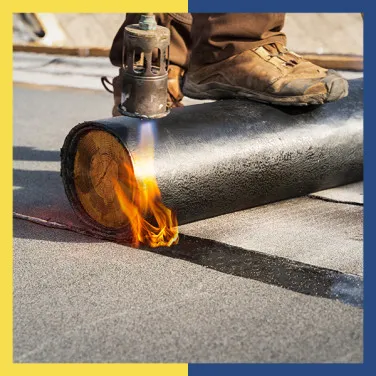
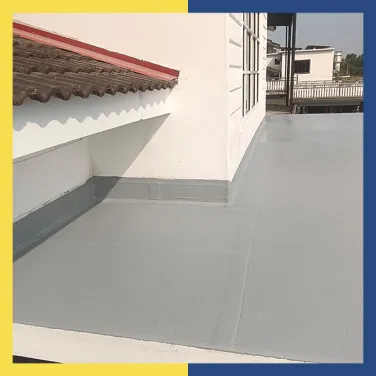
Flat roof waterproofing is even more necessary, irrespective of whether your house is in a dry location or not. India’s unpredictable weather conditions can lead to unexpected rainfall at any time, which leaves your home vulnerable if it hasn’t been coated with the appropriate roof waterproofing products.
Let’s go through some major roof problems that can be caused by poor waterproofing:
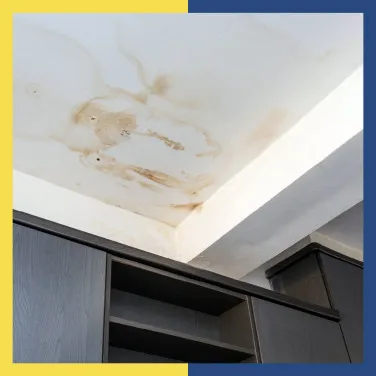
- Water stains - Minor water leaks can leave behind stains/spots on your roof and upper walls.
- Paint peeling - Water seepage within the walls can cause the paint to peel/chip off.
- Sagging roof - Significant water leakage can make your roof slump towards the ground, which can also be an indication of serious structural damage.
- Mould and rotting - One of the worst effects of unchecked water leakage is mould growth. Mould grows in the presence of abundant water and is a serious health hazard. Additionally, wooden structures and furniture can also start rotting if exposed to high moisture levels.
- Electrical hazard - It goes without saying that water and electricity do not go well together. Water seepage can dampen your wiring, leading to serious electrical hazards.
- Loss of insulation - The walls and roof of your house are insulated to provide an ideal room temperature indoors. However, water damage can chip away this insulating coat, leading to hotter/colder indoor temperatures that can cause significant discomfort.

Which roof is best for your house?
Sloped roof houses are a great choice for handling India's rainy season. They help water slide off quickly, keeping your home dry and safe. They not only work well against harsh weather but also add a classic look to your house, making it more aesthetically pleasing.
Flat roofs, on the other hand, are both stylish and pocket-friendly, letting you save up more compared to sloped ones. They use less material due to their simple layout, perfect for those looking to save money. But that's not all; they're also adaptable. You can turn your roof into a garden, a place to relax or an extra spot for fun.
Flat roofs are ideal for those who want to enjoy the outdoors without leaving their property. Plus, with India aiming for a big boost in renewable energy, your flat roof can also be a place to set up solar panels to help lower your energy costs. However, flat roof waterproofing can be slightly more challenging if your house is located in an area that experiences heavy monsoons.
The question of which roof is best for your house has a simple answer; choose the one that feels right for you both in terms of aesthetics and functionality.

Waterproofing: Essential for all roof types
A flat or sloped roof house, no matter what you choose, ensure that it's well-protected against water-related damages like leaks, dampness, ceiling stains, peeling plaster, mould, etc. These issues can lead to expensive repairs and health concerns. When you use the appropriate roof waterproofing solutions with the right materials, your roof’s lifespan, durability, and functionality increase drastically. Don’t forget that roof waterproofing helps keep your house safe and dry!

Protecting your roof the right way
Your home is your sanctuary, and water-related damages hinder its protection. No matter what type of roof you select, its lifespan and safety are dependent on waterproofing.
If you’re looking for roof waterproofing products, wondering how to stop water leakage from concrete roofs, or if you have any other waterproofing-related query, reach out to Dr. Fixit for expert advice by filling out the information form.
Frequently asked questions (FAQs)
What questions do I need to ask my contractor before waterproofing?
Ask your contractor what materials they are using, what waterproofing method they plan to follow, and the post waterproofing maintenance that you will need to follow to keep your house protected in the long term.
Who can help me with waterproofing?
Your contractor, designer, and home architect can all assist you with waterproofing. But ideally you should also consider consulting waterproofing experts such as Dr. Fixit, as they will be able to provide comprehensive waterproofing solutions that will safeguard your house for years to come.
How to build a waterproof house that stays dry and maintained?
Waterproofing every part of your house is a must if you want it to stay dry and maintained during the monsoons. From your windows and drainage to your walls and roof, all aspects of your house are vulnerable to water damage without waterproofing. Roof waterproofing solutions are especially important if you live in an area with heavy rainfall.
How effective is waterproofing during construction?
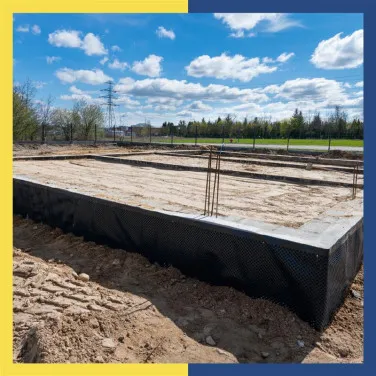
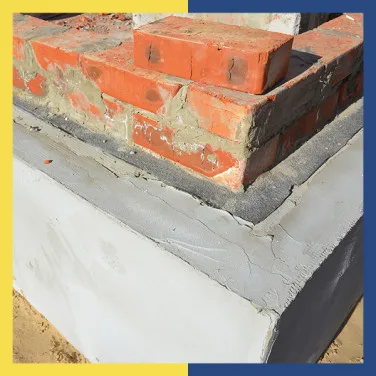
Waterproofing is essential during construction as it safeguards your property’s structural integrity by preventing water seepage into your foundation and walls. Using the right waterproofing techniques during construction itself will significantly improve your property’s lifespan and reduce your maintenance costs in the future.
Get Professional Waterproofing Solutions Today
Fill The Form below to took free site evaluation by Dr. fixit point safe painting service expert



New Home
Importance of getting waterproofing before designing your house | Drfixit Waterproofing Solutions

New Home
Playing with Colour - The rang barse wall protection from Dr. Fixit Raincoat - The Happy Homes

New Home
The difference between waterproofing and damp proofing | Drfixit Waterproofing Solutions









New Home
Is your contractor doing a hasty job? Here's how to ensure quality waterproofing solutions


New Home
Waterproof coating for walls: Selecting the long-lasting solution for your walls


Get Professional Waterproofing Solutions Today
Fill The Form below to took free site evaluation by Dr. fixit point safe painting service expert
