
6 Benefits of Waterproofing Your Home During Construction
6 Advantages of waterproofing your house during construction
Ensuring waterproofing is a vital step in house construction to safeguard the structure from potential water and weather-related damage. Let's delve deeper into the importance of waterproofing.



Table of Contents
- Why waterproof your house during construction
- Areas you can’t afford to skip waterproofing during construction
- What are some methods of waterproofing your building?
- Cost of waterproofing in construction
- To sum it up: Why choose Dr. Fixit for your waterproofing needs
- Frequently asked questions (FAQs)
TL;DR
- Waterproofing during construction prevents leaks, dampness, and long-term structural damage
- Areas like the foundation, roof, bathrooms, and external walls must be waterproofed early
- Choosing the right method depends on location, climate, and usage of the space
- Early waterproofing costs less than repeated repairs later and improves property value
Building a waterproof house during construction is like a stitch in time that saves nine. Water-related damage is one of the most common and expensive problems homeowners face, and it often starts silently during construction. Once water seeps into walls, slabs, or the foundation, it weakens the structure, affects indoor air quality, and leads to recurring repairs.
This is where the importance of waterproofing in construction becomes clear. Waterproofing solutions applied at the right stage help prevent dampness, leaks, mould growth, and long-term deterioration. More importantly, they protect the building’s core structure and ensure a safe, healthy living environment for years to come.

Why waterproof your house during construction
If you are wondering how to prevent water seepage through walls and other areas of the house, waterproofing is not optional. It is a fundamental construction step.
- Foundation protection
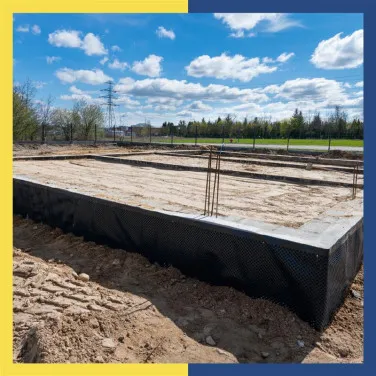
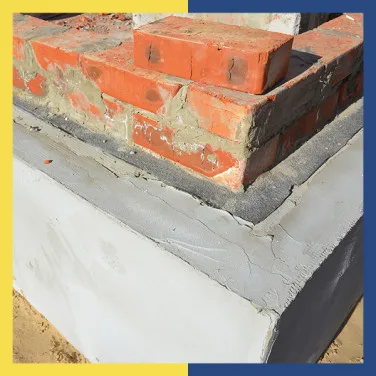
Waterproofing safeguards the foundation during house construction by creating a protective barrier that prevents moisture from the soil from entering the structure. Without foundation waterproofing, groundwater can seep into the base of the house, causing cracks, settlement issues, and long-term instability.
Early waterproofing minimises structural stress and enhances the strength and lifespan of the entire building.
- Ensures building's durability
Concrete may look solid, but it is porous by nature. Water can easily penetrate untreated concrete and reach steel reinforcements. Over time, this leads to corrosion, weakening beams, columns, and slabs.
With proper waterproofing during construction, water is prevented from reaching these critical elements. This significantly improves the building’s durability and reduces structural degradation.
- Prevents unnecessary repair costs
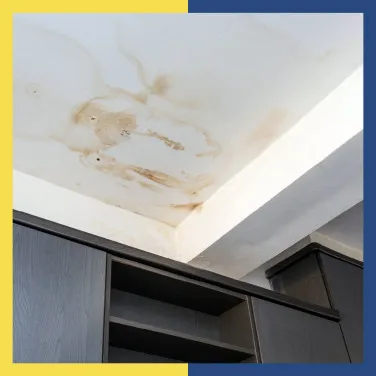
Water damage rarely stays limited to one area. A small leak can spread across walls, ceilings, and floors, leading to repeated repair work.
Waterproofing done during construction helps avoid these future expenses. Fixing seepage later often involves breaking finished surfaces, which is far more expensive than doing it right the first time.
- Helps promote good health
Moisture seepage encourages mould and mildew growth. These can trigger allergies, respiratory problems, and skin irritation, especially in children and elderly residents.
Damp conditions also attract pests and insects. By waterproofing early, you ensure a dry, hygienic indoor environment that supports better health and comfort.
- Seamless integration with house design
When waterproofing is planned during construction, it integrates seamlessly with the building’s design. There is no need to disturb tiles, paint, or structural finishes later.
Post-construction waterproofing, on the other hand, can affect aesthetics and may require additional alterations that compromise the original design.
- Increased property value
A well-protected, leak-free house commands a higher resale value. Buyers are more confident investing in properties that show no signs of dampness or water damage.
This further reinforces the importance of waterproofing in construction, not just for safety, but also as a long-term financial advantage.

Areas you can’t afford to skip waterproofing during construction
If you want waterproofing that is effective and lasts long, make sure to focus on these key areas:
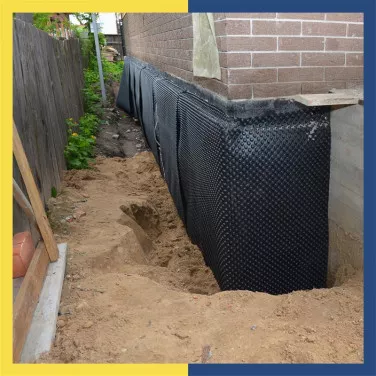
- Foundation and basement areas
The foundation is constantly exposed to soil moisture and groundwater. Without foundation waterproofing, water can slowly weaken the base of the structure.
This area requires robust systems designed to withstand hydrostatic pressure and prolonged moisture exposure.
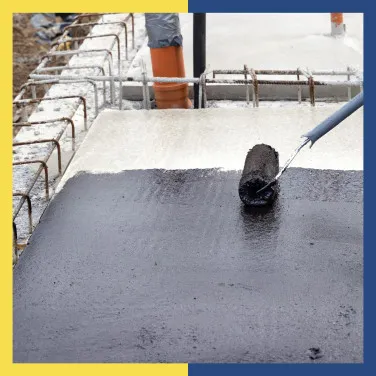
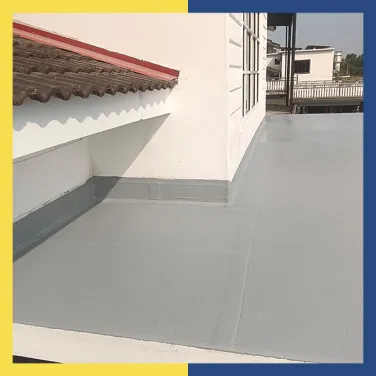
- Roof and terrace
Flat roofs and terraces are directly exposed to rain and temperature fluctuations. Poor drainage or cracked surfaces often lead to leaks.
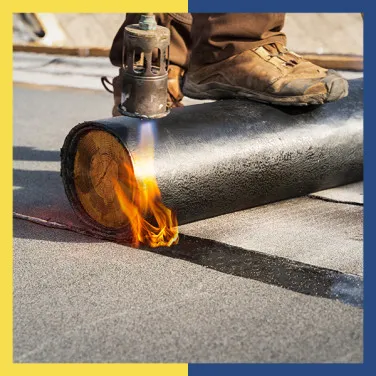
Effective roof waterproofing prevents rainwater from seeping into slabs and ceilings, protecting upper floors from damage. This is especially important in regions with heavy or prolonged rainfall.
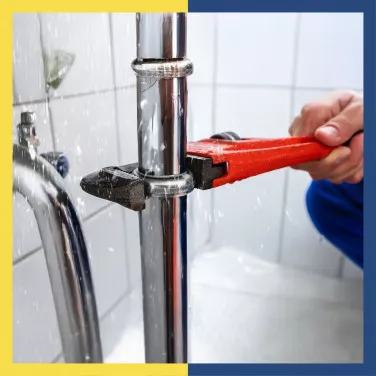
- Bathrooms and wet areas
Bathrooms, kitchens, and utility areas experience daily water usage. Leaks in these spaces often spread unnoticed to adjoining rooms.
Proper bathroom waterproofing ensures that water does not penetrate walls and floors, preventing tile damage, foul odours, and structural weakening over time.
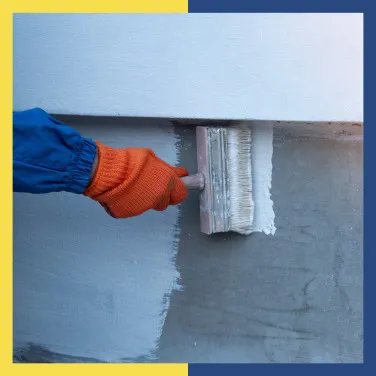
- External walls and balconies
External walls face direct exposure to rain, humidity, and weather changes. Balconies are particularly vulnerable due to water pooling.
Waterproofing these areas prevents seepage into internal walls and reduces surface cracks caused by moisture expansion.

What are some methods of waterproofing your building?
Waterproofing methods are systems or materials applied to surfaces to block water penetration and manage moisture.
Different parts of a building face different water exposure levels, from ground moisture to rain and internal water usage. Choosing the correct waterproofing method based on area, exposure, and climate ensures long-term protection.
Some of the common methods used to protect different areas of the house include cementitious waterproofing, waterproof coatings, sealants, etc. Dr. Fixit offers a wide range of waterproofing solutions to address and prevent water damage. Always take the help of specialists to choose the right product for your home’s needs.
At the end of the day, the right waterproofing system depends on several factors.
- Location of the area, such as foundation, roof, or bathroom
- Exposure to water, rain, or humidity
- Structural movement and climate conditions
- Compatibility with construction materials
A professional assessment ensures the right combination of methods is applied where needed.

Cost of waterproofing in construction
The cost of waterproofing varies based on the size of the building, areas covered, and materials used.
While it may seem like an added expense during construction, waterproofing is significantly cheaper than repairing water damage later. Early investment reduces maintenance costs and extends the life of the structure.
Many homeowners ask, is waterproofing effective enough to justify the cost. When done correctly and at the right stage, the answer is yes. It offers long-term protection and peace of mind.

To sum it up: Why choose Dr. Fixit for your waterproofing needs
Considering the long-term benefits, waterproofing should be a priority during construction, not an afterthought. Dr. Fixit offers a wide range of specialised solutions for roof waterproofing, bathroom waterproofing, foundation waterproofing, and more, designed for Indian construction conditions.
With expert-backed products and certified contractors, Dr. Fixit helps protect your home from water-related damage, dampness, and health risks. To know more, fill in your details in the form below and our experts will get in touch with you.
Frequently asked questions (FAQs)
What questions do I need to ask my contractor before waterproofing?
Before waterproofing, ask your contractor the following:
- Are you a certified and experienced contractor
- What waterproofing materials and systems will you use
- Which areas of the house will be waterproofed and why
- What maintenance or after-care is required post construction
These questions help ensure quality work and long-lasting results.
Who can help me with waterproofing?
Waterproofing should always be handled by trained professionals. Certified contractors have the expertise, tools, and product knowledge required for proper application.
Dr. Fixit certified contractors can help plan, budget, and execute waterproofing solutions based on your specific construction needs.
How to build a waterproof house that stays dry and maintained?
Once your house is waterproofed during construction, you must also ensure that you maintain it.
- Use high-quality paints and finishes after waterproofing
- Seal cracks and gaps as soon as they appear
- Repair leaking taps and pipes promptly
- Conduct regular inspections to catch early signs of damage
These steps help preserve waterproofing effectiveness over time.
How effective is waterproofing during construction?
Waterproofing during construction is highly effective when done correctly. It addresses water entry points before damage begins and protects the structure from the inside out.
For homeowners still asking if waterproofing is effective, the long-term reduction in repairs, improved durability, and healthier living conditions provide a clear answer.
Get Professional Waterproofing Solutions Today
Fill The Form below to took free site evaluation by Dr. fixit point safe painting service expert



New Home
Importance of getting waterproofing before designing your house | Drfixit Waterproofing Solutions

New Home
Playing with Colour - The rang barse wall protection from Dr. Fixit Raincoat - The Happy Homes

New Home
The difference between waterproofing and damp proofing | Drfixit Waterproofing Solutions









New Home
Is your contractor doing a hasty job? Here's how to ensure quality waterproofing solutions


New Home
Waterproof coating for walls: Selecting the long-lasting solution for your walls


Get Professional Waterproofing Solutions Today
Fill The Form below to took free site evaluation by Dr. fixit point safe painting service expert
