
Waterproofing Checklist | Prevent Leaks and Wall Damage- Dr. Fixit
Thinking of getting your home waterproofed? Here are your checklist(s)
Effective waterproofing requires meticulous attention to detail, regular maintenance, and the expertise of professionals. This checklist for waterproofing will guide you through every step and help you prevent future water damage



Table of Contents
- Why waterproofing matters at every stage of your home
- Checklist for waterproofing a new home
- Checklist for waterproofing during renovation
- Checklist for waterproofing after water damage
- Final thoughts
- Frequently asked questions (FAQs)
TL;DR
- Waterproofing works best when planned early, not after damage appears
- Different situations need different waterproofing steps, from construction to repairs
- Regular checks help catch water seepage before it becomes expensive
- A clear waterproofing inspection checklist saves time, money, and stress
Waterproofing protects your home from water damage at every stage — construction, renovation, or repairs. It prevents costly repairs, strengthens the structure, and increases property value.
However, waterproofing is more than just sealing leaks. It requires understanding the process, communicating effectively with your contractor, and following a maintenance routine. These steps are key to keeping your home safe and ensuring long-term savings.
If you, too, want to get started, here’s a checklist for waterproofing that can guide you at every stage.

Why waterproofing matters at every stage of your home
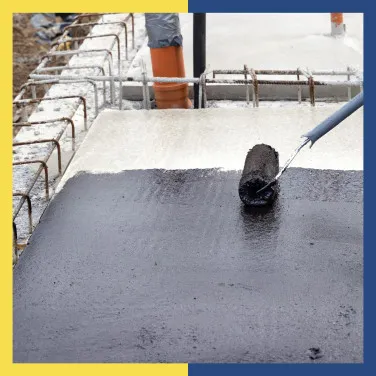
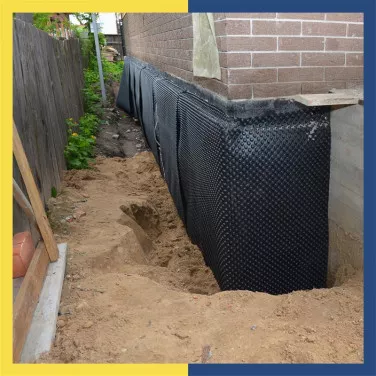
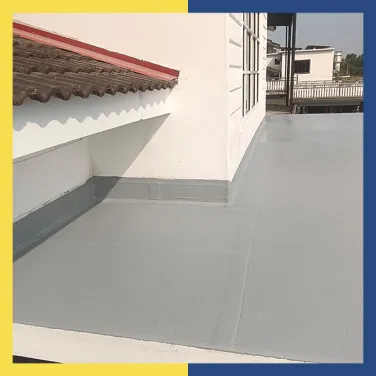
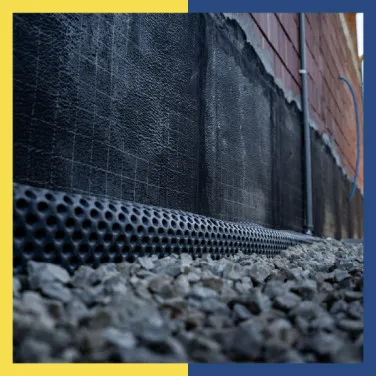
Waterproofing is not just about stopping leaks. It is about protecting your home at every stage, whether you are building, renovating, or fixing damage. Proper roof waterproofing, terrace waterproofing, and foundation waterproofing work help prevent cracks, dampness, and long-term structural issues.
Without the right waterproofing chemical, moisture slowly enters walls, floors, and roofs. Over time, this leads to repairs that cost far more than preventive waterproofing.
Checklist for waterproofing a new home
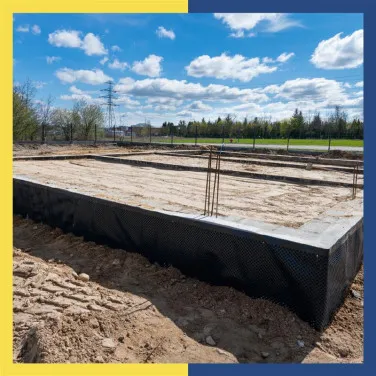
The best time to plan for waterproofing your house is during construction. A strong waterproofing foundation reduces future water damage risks. You can follow these steps –
- Consult a reliable expert like Dr. Fixit, who can provide professional advice
- Hire a certified contractor who can provide quality waterproofing solutions
- Discuss the waterproofing plan, timeline, and costs in detail and up front with your contractor
- Make sure to focus on these key areas: foundation, walls, bathrooms, roof, kitchen, and water tank
- Understand maintenance and aftercare needs to keep the waterproofing intact
- Follow a thorough maintenance routine to extend the effectiveness

Checklist for waterproofing during renovation
If you're renovating an older home, this is the time to repair water damage that could worsen over time. Here’s how you can do so –
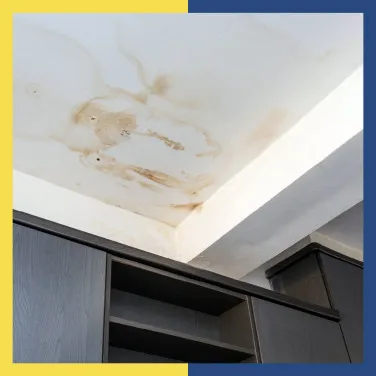
- Identify all water damage in walls, ceilings, and floors for leaks, mould, or dampness
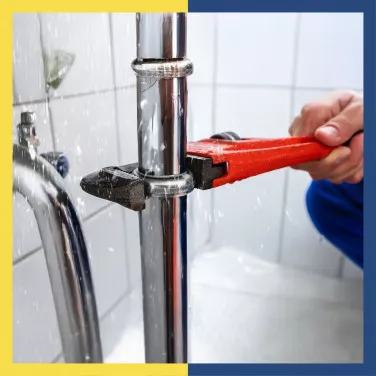
- Inspect fixtures, pipelines, and drainage systems that could lead to leaks in the future
- If necessary, hire a contractor to find hidden moisture issues
- Repair all the identified damages before waterproofing
- Clean all surfaces to remove debris and dirt for optimal adhesion
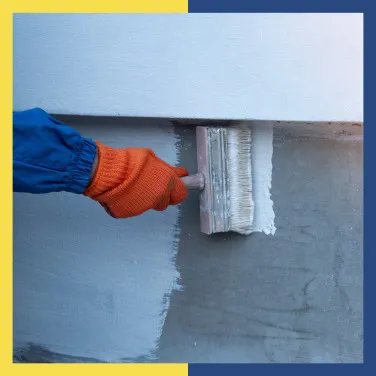
- Now, waterproof your roof, walls, bathrooms, kitchen, and water tank
- Replace or repair furniture, cabinets, or décor that may have been damaged by water
- Understand maintenance and aftercare needs to keep the waterproofing intact
- Follow a thorough maintenance routine to extend the effectiveness

Checklist for waterproofing after water damage
Water damage restoration prevents future problems if your home has leaks, flooding, or other water intrusion. Here’s what to do –
- Remove standing water and dry the area completely. This will prevent further water damage and mould from forming
- Hire a contractor to find and fix the source of the leak
- Repair all structural damage before waterproofing
- Also, pay special attention to weakened walls and floors
- Clean and disinfect surfaces to prevent mould growth
- Waterproof the affected area
- Focus on high-risk areas like joints and corners
- Consider waterproofing the rest of the house as a precaution
- Understand maintenance and aftercare needs
- Follow a routine to prevent future water damage

Final thoughts
This checklist for waterproofing work will help you save time, money, and stress. While the up front cost may appear steep, waterproofing is a small investment compared to the long-term value it provides. Have questions? Contact experts like Dr. Fixit for guidance. Fill out the form below for support in managing your waterproofing needs.
Frequently asked questions (FAQs)
How to check for waterproofing?
You can check if your house needs waterproofing through visual signs and basic inspection steps. Look for damp patches, peeling paint, white salt deposits, or a musty smell on walls and ceilings. During rains, check terraces and roofs for standing water, which may indicate poor roof waterproofing or terrace waterproofing. A professional inspection can help identify hidden water seepage using moisture meters or pressure tests.
What are the criteria for waterproofing?
The main criteria for waterproofing are surface condition, correct product selection, and proper application. Surfaces must be clean, crack-free, and dry before applying any waterproofing chemical. The solution used should suit the area, such as roofs, terraces, bathrooms, or waterproofing foundation zones. Proper curing and post-application checks are also essential.
Dr. Fixit offers a wide range of waterproofing chemicals to secure different areas and needs of the house and protect it from water damage effectively.
What are the most important steps in a waterproofing checklist?
The most important steps focus on preparation, application, and maintenance. First, identify vulnerable areas and repair cracks. Next, clean the surface thoroughly for good adhesion. Apply the correct waterproofing chemical as per site requirements. Finally, follow a regular inspection routine using a waterproofing inspection checklist to ensure long-term performance.
For the best results, it is advised to engage professional waterproofing contractors who can carry out the steps appropriately using effective solutions like those offered by Dr. Fixit.
Why is waterproofing necessary before painting or renovation?
Yes, waterproofing should always be done before painting or renovation. If water seepage exists beneath the surface, paint and finishes will peel or crack over time. Waterproofing fixes the root cause of moisture before cosmetic work begins, ensuring that renovation efforts last longer and do not need repeated repairs.
What happens if waterproofing is skipped during construction?
Skipping waterproofing during construction can lead to long-term structural damage. Without proper foundation waterproofing and terrace waterproofing work, moisture enters concrete and walls, causing cracks, dampness, and corrosion. These issues are harder and more expensive to fix later than treating them during the construction stage.
Get Professional Waterproofing Solutions Today
Fill The Form below to took free site evaluation by Dr. fixit point safe painting service expert



New Home
Importance of getting waterproofing before designing your house | Drfixit Waterproofing Solutions

New Home
Playing with Colour - The rang barse wall protection from Dr. Fixit Raincoat - The Happy Homes

New Home
The difference between waterproofing and damp proofing | Drfixit Waterproofing Solutions









New Home
Is your contractor doing a hasty job? Here's how to ensure quality waterproofing solutions


New Home
Waterproof coating for walls: Selecting the long-lasting solution for your walls


Get Professional Waterproofing Solutions Today
Fill The Form below to took free site evaluation by Dr. fixit point safe painting service expert
