
5 Low Budget Single Floor House Designs with Waterproofing Tips
A comprehensive guide to low budget single floor house design
This comprehensive article explores some of the best low budget single floor house design layouts for you. It also explains how waterproofing solutions are integral to your dream construction project.



Table of Contents
- What is a single-floor house design?
- Best low-budget single-floor house design ideas
- Why is waterproofing crucial for low-budget single-floor homes?
- Waterproofing tips for single-floor homes
- Why choose Dr. Fixit for your waterproofing needs?
- Frequently asked questions (FAQs)
A single-storey home’s aesthetic appeal can easily compete with multi-storey houses when planned smartly. With the right low-budget single-floor house design, even compact homes can look spacious, modern, and inviting.
If you’re wondering where to find practical and stylish low-budget house design ideas, you’re in the right place. From open layouts to cost-efficient construction techniques, thoughtful planning helps optimise both space and spend.

What is a single-floor house design?
A single-floor house design refers to a home built entirely on one level, without internal staircases. This type of low-budget, simple house design is especially popular for its affordability, ease of construction, and accessibility.
Since all spaces sit on a single plane, careful layout planning becomes essential to maximise usable area while keeping construction and long-term maintenance costs under control.

Best low-budget single-floor house design ideas
Below are practical ideas that help you achieve a functional and visually appealing low-budget house design without stretching your finances.
- Open floor plan
An open floor plan merges the kitchen, dining, and living areas into one continuous space. This layout enhances natural light and ventilation, especially when combined with floor-to-ceiling glass windows.
By reducing the need for multiple walls, doors, and windows, this approach supports a low-budget single-floor house design while making the home feel larger and more connected.
- Separate sections
If your plot allows, consider building the house in distinct sections instead of adding another storey. For example, parking can be separated from the main living area and connected through a covered passage.
This low-budget house design method reduces flooring and finishing costs in transitional spaces while maintaining functionality and comfort.
- L-shaped design
An L-shaped layout works well for rectangular plots and allows you to reserve the front area for a small garden or sit-out. This small house design with a low budget improves airflow, enhances natural light, and gives the house a more welcoming appearance.
It also reduces landscaping expenses by using the layout itself to create visual interest.
- Elevated house
In flood-prone regions, elevating the structure protects the home from water ingress and long-term damage. An elevated single-floor house also offers better views and ventilation.
Most importantly, this design prevents repeated repair costs caused by water exposure, supporting both durability and affordability.
- Exposed bricks
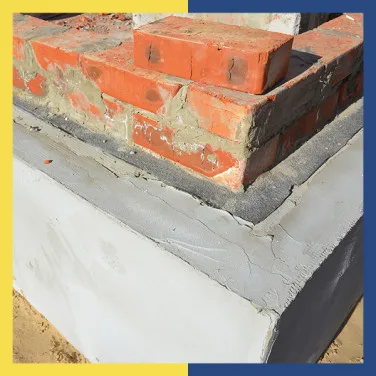
Using exposed brick walls reduces the need for plastering and paint, cutting material and labour costs. This option adds a rustic charm while improving durability.
For homeowners aiming for a low-budget, simple house design, exposed brickwork is a stylish and cost-effective choice.

Why is waterproofing crucial for low-budget single-floor homes?
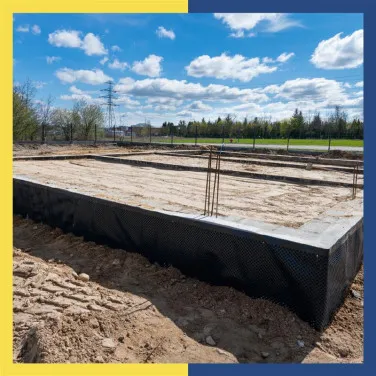
Once you have clarity on how your house will look, it’s equally important to consider how it will perform over time. Water damage is one of the biggest threats to single-floor homes, especially those with flat roofs.
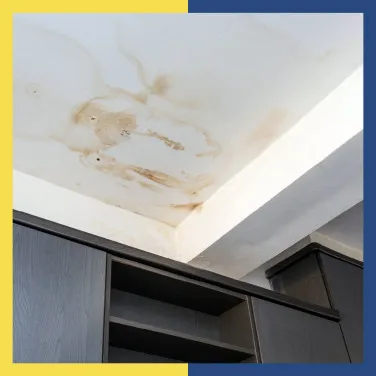
Without proper waterproofing solutions, foundations, roofs, walls, and floors become vulnerable to seepage, stains, mould growth, efflorescence, and structural weakening. Over time, this leads to expensive repairs and a reduced lifespan of the home.
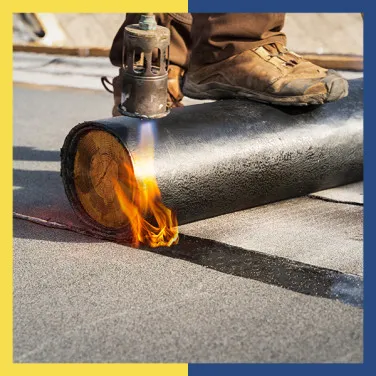
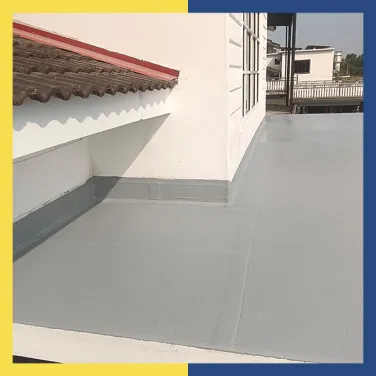
Investing in flat roof waterproofing and preventive treatments during construction acts as a long-term safeguard rather than a short-term fix.
Waterproofing tips for single-floor homes
Alongside design planning, a few practical waterproofing tips can help protect your home from future damage:
- Ensure proper slope and drainage on flat roofs to avoid water stagnation
- Use reliable roof waterproofing services during construction, not after leaks appear
- Seal joints, corners, and external walls with proven waterproofing solutions
- Periodically inspect roofs and wet areas to detect early signs of seepage
These steps significantly reduce maintenance costs while improving the durability of your low-budget house design.

Why choose Dr. Fixit for your waterproofing needs?
Smart planning and efficient budget utilisation can turn your initial ideas into a strong, long-lasting home. While good design shapes the look of your house, professional waterproofing protects its future.
Dr. Fixit brings specialised expertise in flat roof waterproofing, structural protection, and advanced waterproofing solutions tailored for Indian homes. With the right materials and application methods, they help ensure your home stays safe, dry, and durable for years.
Fill out the form below to connect with Dr. Fixit and secure expert waterproofing services for your single-floor home.
Frequently asked questions (FAQs)
Why is waterproofing important for single-floor homes?
Waterproofing is critical for single-floor homes because water seepage directly affects foundations, walls, and flat roofs, leading to cracks, mould, and reduced structural life if timely waterproofing solutions are not applied.
What are the most effective waterproofing solutions for low-budget houses?
Some of the most effective waterproofing solutions for low-budget houses include cementitious coatings, waterproofing sealants for cracks, and basic flat roof waterproofing systems that offer long-term protection without significantly increasing construction costs.
How do I choose the right waterproofing material for a low-budget home?
To choose the right waterproofing material for a low-budget, simple house design, consider the area exposed to moisture, local climate conditions, the durability required, and whether professional roof waterproofing services are easily accessible.
How often should waterproofing be checked or redone in a single-floor house?
Waterproofing in a single-floor house should ideally be inspected every 5-7 years, especially for flat roof waterproofing and external walls, to identify early signs of damage and avoid expensive structural repairs later.
Which areas of a low-budget house need waterproofing the most?
The most critical areas needing waterproofing in a low-budget house design are the roof, bathrooms, kitchen floors, external walls, and foundation zones, as these are constantly exposed to water and moisture.
Get Professional Waterproofing Solutions Today
Fill The Form below to took free site evaluation by Dr. fixit point safe painting service expert


New Home
Importance of getting waterproofing before designing your house | Drfixit Waterproofing Solutions

New Home
Playing with Colour - The rang barse wall protection from Dr. Fixit Raincoat - The Happy Homes

New Home
The difference between waterproofing and damp proofing | Drfixit Waterproofing Solutions










New Home
Is your contractor doing a hasty job? Here's how to ensure quality waterproofing solutions


New Home
Waterproof coating for walls: Selecting the long-lasting solution for your walls


Get Professional Waterproofing Solutions Today
Fill The Form below to took free site evaluation by Dr. fixit point safe painting service expert
