
Concrete Crack Repair: Step-by-Step Guide
Concrete Crack Repair: Step-by-Step Methods for Long-Lasting Results
Concrete cracks must be assessed before repair, as the correct method depends on their width, depth, cause, and whether they are active or dormant. Repair materials serve different purposes. Fillers suit minor surface cracks while epoxy restores strength in dormant structural cracks. Surface preparation and curing are essential for a durable repair; poor cleaning, incorrect application, or early exposure to water can cause early failure. Structural, widening, leaking, or interconnected cracks require professional attention, especially when they affect foundations.



Table of Contents
- Understanding Concrete Cracks: Types and Causes
- Assessing Your Concrete Cracks Before Repair
- Essential Tools and Materials for Concrete Crack Repair
- Step-by-Step Concrete Crack Repair Process
- Concrete Crack Repair Methods by Crack Type
- Best Practices for Long-Lasting Concrete Repairs
- Common Mistakes to Avoid During Concrete Crack Repair
- Professional Concrete Crack Repair Services: When to Call an Expert
- Frequently Asked Questions (FAQs)
Cracks in concrete are a common issue in driveways, floors, patios, foundations, and retaining walls. While some cracks are only cosmetic, others may indicate structural movement or moisture problems that require immediate attention. Choosing the right concrete crack repair method depends on the crack's size, depth, cause, and whether it is active or dormant.
This guide explains how to repair concrete cracks using proven methods and suitable repair materials. You'll learn when to use a concrete crack filler, when epoxy for concrete cracks is the better choice, and how proper preparation leads to long-lasting repairs.
Understanding Concrete Cracks: Types and Causes
Concrete naturally expands, contracts, and settles over time. Understanding crack types helps determine the appropriate concrete crack repair method.
Below is a quick breakdown to help you understand crack types:
Structural vs. Surface Cracks
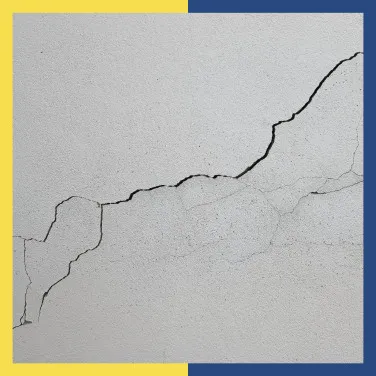
Not every crack represents a serious problem. Surface cracks are generally shallow and occur due to drying shrinkage or minor temperature changes. They mainly affect aesthetics and usually respond well to a quality concrete crack filler.
Structural cracks, on the other hand, often extend deeper into the concrete and may compromise the structure’s load-bearing capacity. They typically result from foundation settlement, excessive loading, poor construction practices, or reinforcement corrosion. These cracks often require professional concrete crack repair, such as epoxy for concrete cracks.
Signs of structural cracks include:
- Continuous widening
- Uneven concrete surfaces
- Water leakage
- Stair-step cracking
- Visible movement over time
Proper identification ensures the repair method addresses the underlying issue rather than merely concealing the crack.
Common Causes of Concrete Cracking
Concrete cracking can result from multiple environmental and structural factors.
Common causes include:
- Drying shrinkage after curing
- Thermal expansion and contraction
- Heavy traffic or excessive loading
- Poor-quality concrete mix
- Inadequate reinforcement
- Soil settlement
- Freeze-thaw cycles
- Water infiltration
- Tree root movement
- Corrosion of reinforcing steel
Many cracks result from a combination of these factors. Before beginning concrete crack repair, identifying the root cause helps prevent future failures.
When to Repair vs. When to Replace
Replacement isn't always necessary. Repair is generally suitable when:
- Cracks are isolated
- The concrete remains structurally sound
- Settlement has stopped
- Surface deterioration is limited
Replacement may be more appropriate when:
- Multiple structural cracks exist
- Large sections have shifted
- Reinforcement is severely corroded
- Concrete has widespread spalling
A professional inspection can help determine whether concrete crack repair is sufficient or complete replacement is more cost-effective.
Assessing Your Concrete Cracks Before Repair

Careful assessment prevents wasted time and ineffective repairs. Before selecting a repair material, inspect the crack thoroughly.
Measuring Crack Width and Depth
Accurate measurements determine which repair product will perform best.
Measure:
- Crack width using a crack gauge or ruler
- Crack depth with a thin probe or wire
- Crack length to estimate material requirements
General guidelines:
| Crack Width | Recommended Approach |
| Less than 1 mm | Surface sealant or concrete crack filler |
| 1–6 mm | Flexible fillers or repair mortar |
| Over 6 mm | Backer rod plus structural repair products |
Recording measurements also helps monitor future crack movement.
Identifying Active vs. Dormant Cracks
Not all cracks behave the same way. Dormant cracks have stabilised and no longer change in size. These are generally easier to repair.
Active cracks continue expanding due to:
- Foundation movement
- Temperature changes
- Soil settlement
- Moisture fluctuations
To determine activity:
- Mark the crack ends.
- Measure width regularly.
- Install crack monitors if necessary.
Active cracks often require flexible repair systems, while dormant cracks may be repaired using rigid materials like epoxy for concrete cracks.
Safety Considerations and Structural Concerns
Before starting concrete crack repair, inspect for hazards.
Watch for:
- Loose concrete
- Falling debris
- Electrical hazards
- Deep structural movement
- Water seepage
- Chemical exposure
Always wear:
- Safety glasses
- Gloves
- Dust mask
- Hearing protection when grinding
- Protective footwear
If cracks affect load-bearing walls or foundations, consult a structural professional before beginning repairs.
Essential Tools and Materials for Concrete Crack Repair
Crack Repair Products: Epoxy, Polyurethane, and Fillers
Using the right products significantly improves repair quality and durability. Selecting the right repair product depends on crack type and expected movement. Sometimes you may also need specialised crack repair solutions for more severe cracks. Common repair materials include:
- Epoxy- Epoxy for concrete cracks provides excellent strength and bonding. It restores structural integrity and works best for dormant structural cracks.
Its benefits include:
- High compressive strength
- Excellent adhesion
- Low shrinkage
- Durable finish
- Polyurethane- Polyurethane remains flexible after curing, making it ideal for cracks exposed to moisture or movement.
Advantages include:
- Waterproof sealing
- Flexibility
- Excellent crack penetration
- Suitable for active cracks
- Concrete Crack Filler- A quality concrete crack filler is commonly used for:
- Sidewalks
- Driveways
- Garage floors
- Patios
- Non-structural repairs
Modern fillers, like Dr. Fixit Crack-X Shrinkfree, resist weathering while improving the appearance of repaired surfaces.
Preparation Tools You'll Need
Proper preparation contributes significantly to successful concrete crack repair.
Useful tools include:
- Wire brush
- Angle grinder
- Vacuum cleaner
- Chisel
- Hammer
- Utility knife
- Caulking gun
- Mixing bucket
- Putty knife
- Trowel
- Pressure washer (where appropriate)
These tools help remove contaminants and prepare a clean bonding surface.
Choosing the Right Concrete Backer Rod
Backer rods improve sealant performance in deeper cracks.
They help:
- Control sealant depth
- Reduce material usage
- Improve flexibility
- Prevent three-sided adhesion
- Increase repair longevity
Choose a backer rod slightly larger than the crack width so it fits snugly without excessive compression.
Step-by-Step Concrete Crack Repair Process

Successful concrete crack repair depends on careful preparation and correct application techniques. Skipping any step can reduce the lifespan of the repair.
Step 1: Clean and Prepare the Crack Surface
Begin by removing all loose material, dirt, grease, vegetation, and previous repair compounds.
Cleaning methods include:
- Wire brushing
- Vacuuming
- Compressed air
- Pressure washing (allow sufficient drying afterwards)
A clean surface ensures maximum adhesion between the repair material and the existing concrete.
Step 2: Widen the Crack into a V-Shape
Narrow cracks often require slight widening before filling. Using a grinder or cold chisel, create a shallow V-shaped groove.
Benefits include:
- Better bonding area
- Improved filler penetration
- Reduced risk of repair failure
- More uniform finish
Take care not to remove more concrete than necessary.
Step 3: Apply Backer Rod for Deep Cracks
For cracks deeper than approximately 12 mm, install a backer rod before applying sealant. Press the rod evenly into the crack using a blunt tool until it reaches the desired depth.
The backer rod:
- Supports the repair material
- Improves flexibility
- Prevents excessive sealant use
- Promotes proper joint movement
This step is especially important when repairing expansion joints or wide concrete cracks.
Step 4: Fill the Crack with Repair Material
Choose the repair material according to the crack type.
- Use a concrete crack filler for narrow, non-structural cracks.
- Apply epoxy for concrete cracks where structural strength must be restored.
- Select polyurethane for active or moisture-prone cracks.
Fill the crack slowly to avoid air pockets. Overfill slightly if recommended by the product manufacturer, then level the surface before allowing the filler to cure/dry.
Step 5: Smooth and Cure the Repair
After filling, smooth the surface using a putty knife or finishing trowel so it blends with the surrounding concrete. Allow the repair material to cure according to the manufacturer's instructions. Avoid foot traffic, heavy loads, or exposure to water during the curing period, as these factors can weaken the filler and reduce the lifespan of the concrete crack repair.
Concrete Crack Repair Methods by Crack Type
Not all cracks should be repaired the same way. The most effective concrete crack repair method depends on the crack's width, depth, cause, and whether it is structural or cosmetic. Choosing the correct repair approach improves durability and minimises the chances of recurring damage.
Repairing Hairline Cracks in Concrete
Hairline cracks are among the most common concrete defects. Although they are usually non-structural, they can allow moisture to penetrate the concrete over time, leading to staining, freeze-thaw damage, or reinforcement corrosion if ignored.
To repair hairline cracks:
- Clean the crack thoroughly using a wire brush or compressed air.
- Remove dust and loose particles.
- Apply a high-quality concrete crack filler suitable for narrow cracks.
- Smooth the filler using a putty knife.
- Allow the repair to cure as recommended by the manufacturer.
Hairline cracks should also be monitored after repair. If they continue to widen, further investigation may be needed to determine whether structural movement is occurring. Regular inspection and timely concrete crack repair help prevent minor cosmetic issues from developing into significant concerns.
Fixing Wide Cracks (Over 1/4 Inch)
Wide cracks often indicate greater stress or movement within the concrete. They require more preparation than hairline cracks to ensure a durable repair.
The recommended process includes:
- Cleaning the crack thoroughly.
- Removing all weak or loose concrete.
- Widening the crack into a V-shaped profile if required.
- Installing a backer rod for deeper cracks.
- Filling the crack using an appropriate repair mortar or high-performance repair compound.
- Finishing the surface evenly.
Wide cracks generally require repair materials with higher strength and lower shrinkage than standard sealants. For larger repairs, consider Dr. Fixit Crack-X powder for deep repairs.
Epoxy Injection for Structural Cracks
Structural cracks require repairs that restore the concrete's strength rather than simply sealing the surface. One of the most effective methods is using epoxy for concrete cracks through an injection process.
The procedure generally involves:
- Cleaning and drying the crack
- Sealing the crack surface
- Installing injection ports
- Injecting low-viscosity epoxy under controlled pressure
- Allowing the epoxy to cure completely
Advantages of epoxy injection include:
- Restores structural continuity
- Excellent bonding strength
- Low shrinkage
- High durability
- Prevents moisture penetration
However, epoxy injection is best suited for dormant cracks. If movement is expected to continue, a flexible repair system may be more appropriate. Because structural repairs require specialised equipment and expertise, professional concrete crack repair services are recommended for this method.
Polyurethane Foam Injection Method
Unlike epoxy, polyurethane remains flexible after curing. This makes it ideal for cracks affected by moisture or slight movement.
Polyurethane injection is commonly used for:
- Basement wall cracks
- Foundation leaks
- Retaining walls
- Water tanks
- Underground structures
Its benefits include:
- Excellent waterproofing
- Rapid expansion into small voids
- Flexible performance
- Effective moisture sealing
- Quick curing
Since polyurethane expands after injection, it fills irregular gaps that rigid materials may not completely seal.
Best Practices for Long-Lasting Concrete Repairs

Even the best repair products cannot compensate for poor application. Following industry best practices during application can significantly improve the durability of concrete crack repairs, reducing your future maintenance requirements.
Ensuring Proper Curing and Drying Time
Many repairs fail because the repaired surface is not allowed to cure before it is put to use.
Proper curing allows repair materials to:
- Develop full strength
- Achieve maximum adhesion
- Minimize shrinkage
- Improve resistance to weather
- Extend repair life
Always follow the manufacturer's curing recommendations, which may vary depending on:
- Temperature
- Humidity
- Repair material
- Crack depth
Avoid exposing newly repaired concrete to heavy traffic, rainfall, or vibration until curing is complete. Patience during curing is one of the simplest ways to maximise the lifespan of concrete crack repairs.
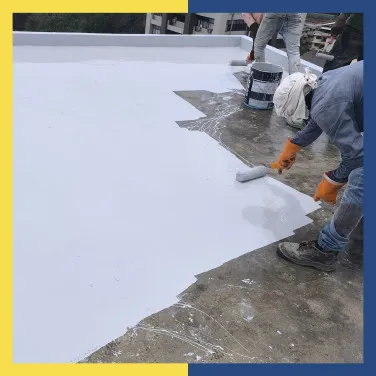
Waterproofing After Crack Repair
Waterproofing provides an additional layer of protection by preventing moisture from entering repaired cracks. Water infiltration can cause:
- Reinforcement corrosion
- Freeze-thaw damage
- Efflorescence
- Mold growth
- Surface deterioration
After repairs have cured completely, applying an appropriate waterproofing system helps protect both the repaired surface and the surrounding concrete.
Dr. Fixit provides proven waterproofing and repair solutions that can ensure the durability and safety of your home for years to come.
Preventing Future Concrete Cracks
While some cracking is inevitable, proper construction and maintenance greatly reduce the likelihood of serious damage.
Preventive measures include:
- Installing adequate control joints.
- Maintaining proper drainage around structures.
- Using quality concrete mixes.
- Avoiding excessive loads.
- Ensuring proper curing during construction.
- Addressing soil settlement issues.
- Sealing exposed concrete surfaces periodically.
Regular inspections also allow property owners to identify small cracks before they require extensive concrete crack repair.
Common Mistakes to Avoid During Concrete Crack Repair
Many repairs fail because of avoidable mistakes rather than poor-quality materials. Understanding these common errors can help you improve your crack repair’s performance and reduce long-term maintenance costs.
Skipping Proper Surface Preparation
Surface preparation is the foundation of successful concrete crack repair. If dirt, dust, oil, loose concrete, or previous repair materials remain inside the crack, the repair product may not bond properly.
Common preparation mistakes include:
- Inadequate cleaning
- Leaving moisture inside the crack
- Failing to remove weak concrete
- Ignoring vegetation or debris
- Applying repair products over contaminated surfaces
Taking extra time to prepare the crack often determines whether the repair lasts for years or fails within months.
Using the Wrong Repair Material
Each repair product is designed for specific conditions. Using the wrong material may result in:
- Poor adhesion
- Continued cracking
- Water leakage
- Premature failure
- Additional repair costs
For example, concrete crack fillers work well for narrow surface cracks, while epoxy for concrete cracks is suitable if you need to restore the structural integrity of a surface. Polyurethane is preferable when flexibility and waterproofing are required.
Ignoring Underlying Soil or Moisture Issues
Repairing visible cracks without addressing their underlying causes often leads to recurring damage.
Potential underlying issues include:
- Poor site drainage
- Expansive soils
- Foundation settlement
- Plumbing leaks
- Groundwater movement
- Tree root growth
If these conditions remain unresolved, even the highest-quality concrete crack repair can fail.
Professional Concrete Crack Repair Services: When to Call an Expert

Although many surface cracks can be repaired using DIY solutions, large or structural cracks need professional assessment and repair.
Seek expert assistance if you notice:
- Structural or foundation cracks
- Cracks wider than 1/4 inch
- Rapidly growing cracks
- Significant water leakage
- Uneven or sunken concrete
- Multiple interconnected cracks
- Reinforcement corrosion
- Load-bearing structural damage
Professionals have access to specialised equipment, advanced diagnostic methods, and commercial-grade repair materials, which allows them to handle more complex situations.
If you notice any cracks or water leaks in your home, consider contacting Dr. Fixit’s expert consultants. Dr. Fixit’s range of repair and renovation products is highly effective and can keep your walls crack-free for a long time.
Fill out the form below to contact Dr. Fixit today!
Frequently Asked Questions (FAQs)
Q1. What is the best repair method for cracks in concrete?
The best repair method depends on the crack's size, depth, and cause. Hairline and non-structural cracks can often be repaired using a quality concrete crack filler, while structural cracks usually require epoxy for concrete cracks or professional injection systems.
Q2. How do I prepare a concrete crack for repair?
Proper preparation is one of the most important steps in concrete crack repair. Remove all loose concrete, dust, grease, and debris using a wire brush, vacuum, or compressed air.
Q3. Can I repair concrete cracks myself or should I hire a professional?
Small, non-structural cracks in driveways, patios, and sidewalks can often be repaired as a DIY project using the appropriate products and techniques. However, cracks that are wide, deep, growing, leaking water, or affecting foundations and load-bearing elements should be assessed and repaired by a qualified professional.
Q4. What causes concrete to crack and how can I prevent it?
Concrete may crack due to drying shrinkage, temperature fluctuations, heavy loads, poor curing, soil settlement, moisture changes, reinforcement corrosion, or inadequate construction practices. Preventive measures include using quality concrete mixes, installing control joints, maintaining proper drainage, sealing exposed concrete surfaces, and conducting regular inspections to identify problems early.
Q5. What is the difference between epoxy and polyurethane crack fillers?
Epoxy for concrete cracks is a rigid repair material that bonds strongly to concrete and is commonly used for restoring structural strength in dormant cracks. Polyurethane, on the other hand, remains flexible after curing and is better suited for active cracks that experience slight movement or moisture intrusion.
Q6. How long does concrete crack repair last?
A properly executed concrete crack repair can last for many years, depending on the repair method, material quality, environmental conditions, and maintenance practices.
Q7. Should I seal concrete after repairing cracks?
Yes, applying a suitable concrete sealer after the repair has fully cured helps protect the surface from moisture penetration, chemical exposure, freeze-thaw cycles, and staining.
Q8. Can concrete crack repair be done in all weather conditions?
No, most repair materials perform best within specific temperature and humidity ranges recommended by the manufacturer. Extremely hot, cold, rainy, or humid conditions can affect curing, bonding, and overall repair performance.
Get Professional Waterproofing Solutions Today
Fill The Form below to took free site evaluation by Dr. fixit point safe painting service expert


Get Professional Waterproofing Solutions Today
Fill The Form below to took free site evaluation by Dr. fixit point safe painting service expert
