
Wall crack repair: Identify structural vs superficial cracks
Your guide to wall crack repair: Structural vs superficial cracks
Every wall crack may not be the cause for alarm, but every crack deserves the right response. Superficial cracks and structural cracks look similar but carry very different consequences for your home. Understanding the types of wall cracks, recognising the warning signs that require professional attention, and using the right wall crack repair products are key to protecting the look and durability of your home.



Table of Contents
- The difference between the two types of cracks
- What causes structural cracks?
- Why do small cracks lead to unwanted entry of water?
- Warning signs that indicate urgent professional assessment
- The risks of misdiagnosing cracks
- How do Dr. Fixit's crack repair and waterproofing systems work?
- Key takeaway
- FAQs
When you spot a crack in your wall, your first instinct is usually to reach for a filler and smooth it over. But not all cracks are the same, and how you respond to them depends entirely on their type. Treat a structural crack like a cosmetic one, and you risk making a serious problem. Once you identify the issue, wall crack repair becomes straightforward, durable, and genuinely protective.
The difference between the two types of cracks
- Superficial or plaster cracks sit in the finishing layer of your wall. They're typically hairline-thin, shallow, and most often appear after a fresh coat of paint dries or after minor settlement in a new building. These cracks don't penetrate the masonry or RCC structure beneath.
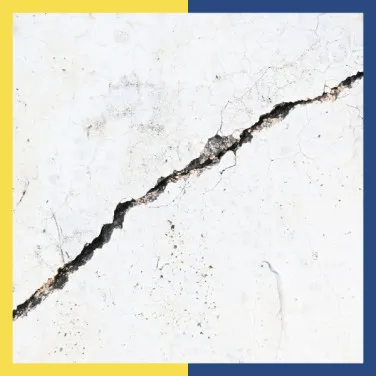
- Structural cracks run through the load-bearing elements of your home: the masonry, brickwork, columns, or concrete slabs. They're usually wider, may be diagonal or stair-step along brick joints, and tend to grow over time.
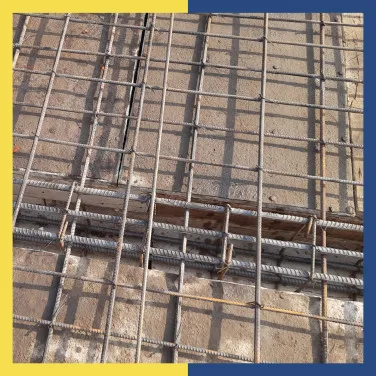
- Concrete wall crack repair situations, on the other hand, involve cracks in beams, columns, or RCC slabs. These require specialist diagnosis and treatment, and not a standard filler.
What causes structural cracks?
Structural cracks don't appear without reason. In most Indian homes, problems trace back to three causes that are easy to overlook during construction or renovation, only to become apparent when the walls start showing damage. Understanding these causes is the first step toward effective wall crack repair.
What can go wrong:
- Foundation movement: When the ground beneath your home moves, your walls crack, and these aren't minor surface marks you can simply paint over.
- Load stress: Every wall is designed to withstand a specific load. Add an extra floor, install heavy storage, or make structural changes during a renovation, and you push that wall beyond its design limits.
- Thermal expansion: Walls expand in warm weather and shrink in cold weather. If expansion joints weren't built in during construction, that movement has nowhere to go, and your walls end up bearing the stress.
Why do small cracks lead to unwanted entry of water?
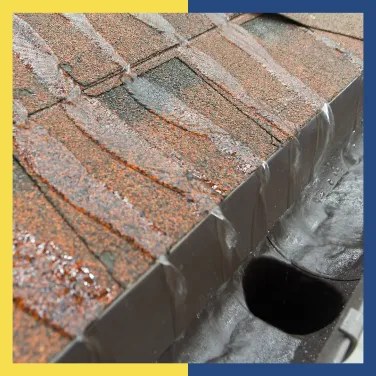
Superficial cracks look harmless, so they get ignored or painted over. But even a hairline crack gives moisture a direct path into your wall.
Water seeping through a seemingly minor crack can saturate the plaster, corrode the steel reinforcement behind it, loosen tile adhesion, and trigger persistent paint peeling. What starts as a cosmetic inconvenience can escalate into a full wall repair, or left long enough, a structural problem.
Warning signs that indicate urgent professional assessment
Some cracks can wait for planned repair, whereas others require immediate action. Here's how to read the difference:
What can go wrong
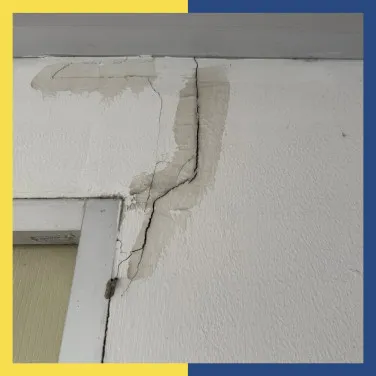
- Diagonal cracks from window or door corners indicate that your wall is responding to foundation shifting beneath it.
- Horizontal cracks in external walls mean that water or soil is exerting pressure on the structure from outside.
- Cracks that keep coming back mean the structure needs a professional assessment. Filling it again won't help.
- Stair-step cracking in brick joints points to a foundation shift. It's one of the warning signs you shouldn't wait on.
- For cracks wider than 3mm, you should call a structural engineer before attempting any repair.
The risks of misdiagnosing cracks
Filling a structural crack with standard wall putty doesn't repair it. It just hides it.
The crack continues to move beneath the filler. Moisture still finds its way through. When the crack comes back, it's wider and harder to treat. Using the wrong wall crack repair products on a structural issue can also compromise the bond of any subsequent repair, leaving the surface looking fixed while the damage continues beneath.
Far from saving time or money, incorrect diagnoses and repair methods almost always lead to higher repair costs down the line. The right call is always to identify first and repair later.
How do Dr. Fixit's crack repair and waterproofing systems work?
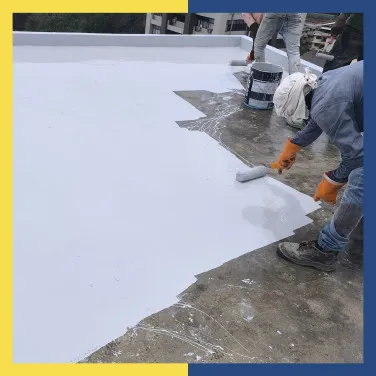
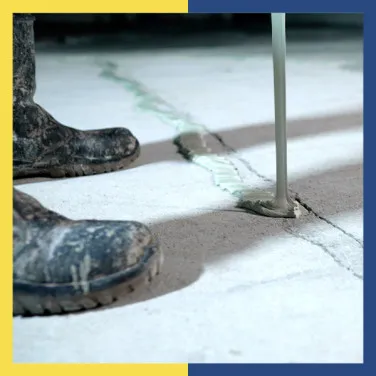
Once you've correctly identified the type of crack, the repair system you choose must match the job. Dr. Fixit offers solutions tailored to different types of wall cracks, whether superficial or structural. For concrete wall crack repair and deeper masonry damage, their injection grouts and waterproofing membranes address the problem beneath the surface.
Surface preparation, crack treatment, and waterproofing are applied in sequence, with each stage reinforcing the next.
Key takeaway
The right response to a crack in your wall starts with correctly identifying what you're dealing with: structural or superficial, active or stable, wet or dry. From there, using the right wall crack repair products and having them applied by a trained professional is what turns a repair into lasting protection. With Dr. Fixit's range of crack repair and waterproofing systems, you're not just fixing a crack but also protecting the structure.
Fill the form below if you want to connect with expert consultants who can help you secure your home against wall cracks and water seepage.
FAQs
1. How do I know if a wall crack is structural or just cosmetic?
Look at the width, direction, and location of the crack. Hairline cracks in the plaster finish are usually cosmetic. Diagonal cracks near door or window frames, stair-step patterns in brick joints, or cracks wider than 3mm in load-bearing walls are structural warning signs that need professional assessment.
2. What are the most common types of cracks in walls in Indian homes?
The most common types are shrinkage cracks in new plaster, settlement cracks at wall junctions, diagonal cracks near openings, and stair-step cracks in brick walls. Concrete wall crack repair is also common in older RCC-frame buildings where moisture seepage has weakened the structure over time.
3. Can I use standard wall putty for crack repair at home?
Standard wall putty is suitable only for very fine, stable, surface-level cracks. For anything wider, recurring, or in a load-bearing wall, you need specialised wall crack repair products, such as Dr. Fixit's crack-bridging or injection grouting systems, which are designed to flex with the structure and prevent moisture penetration.
4. How do I repair cracks in walls near doors and windows?
Diagonal cracks near openings are usually caused by differential movement in the lintel or foundation. Before repairing, confirm the crack is stable and not widening. Clean the crack, remove loose material, apply a flexible crack-bridging compound as per product specifications, and follow up with a waterproofing layer. For active or growing cracks, consult a structural professional before attempting any repairs.
Get Professional Waterproofing Solutions Today
Fill The Form below to took free site evaluation by Dr. fixit point safe painting service expert


Get Professional Waterproofing Solutions Today
Fill The Form below to took free site evaluation by Dr. fixit point safe painting service expert
