
Wall Waterproofing: Essential Steps to Damage-Free Homes
Importance of wall waterproofing for a damage-free home
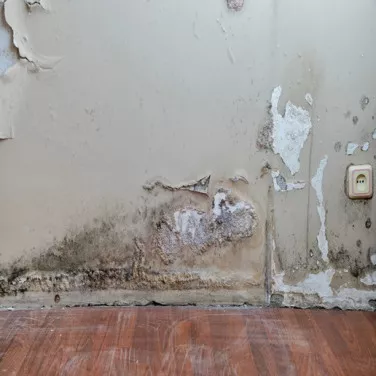
Wall waterproofing protects homes from seepage, dampness, mould, peeling paint, and structural damage. Common sources of water leakage include faulty pipelines, cracks, poor drainage, and weak waterproofing layers. Waterproofing helps improve indoor air quality, reduce repair costs, preserve property value, and extend a home’s lifespan. You should regularly inspect your home for water damage, use quality waterproofing products, and seek expert assistance for long-lasting protection.



Table of Contents
- How does preventing mold lead to a healthy home?
- What are the key sources of water seepage in homes?
- How waterproofing prevents seepage and dampness
- What are some ways to protect your home against external cracks and structural damage?
- Safeguarding walls from rain and weather exposure
- Why choose waterproof paint and waterproofing over other solutions?
- Common mistakes to avoid while waterproofing your house
- How to make your home long-lasting and leakage-resistant
- Choosing a reliable waterproofing expert
- Frequently asked questions (FAQs)
A house becomes a home with constant care, love, and maintenance. And maintenance begins when your house is being made. Over the years, as your house ages, it can be affected by water exposure, seepage, leakage and dampness, which can give rise to a host of issues, including mold. Since mold is both unsightly and a health hazard, it is comparatively more concerning than other water-related issues.
A reliable fix to these problems is waterproofing the inside walls. Let’s understand how.
How does preventing mold lead to a healthy home?
Mould Mold Remover Moldy Window Fungus Stock Photo 2627453291 | Shutterstock
Here are some important reasons for preventing water damage and mold growth to maintain a healthy living environment -
- Health benefits
Exposure to mold on walls can cause respiratory issues, allergies, and even trigger asthma. Ensuring proper wall waterproofing helps to minimise the risk of mold growth and its associated health hazards.
- Improved indoor air quality
Water damage and mold can lead to poor indoor air quality, affecting overall well-being. Using waterproofing paint for interior walls prevents moisture buildup, helping to keep the air fresh and healthy.
- Better property value
Preventing mold is essential for maintaining the value of your home. Waterproof paint helps to avoid stains, damp patches, and structural issues that can negatively affect the property’s market value.
- Reduced repair costs
Water damage can lead to costly house repairs over time. By choosing waterproofing paint for interior walls, you can prevent damage from occurring in the first place, reducing the need for frequent repairs and maintenance.
What are the key sources of water seepage in homes?
Leaking Pipes Wall Stock Photo 2344289071 | Shutterstock
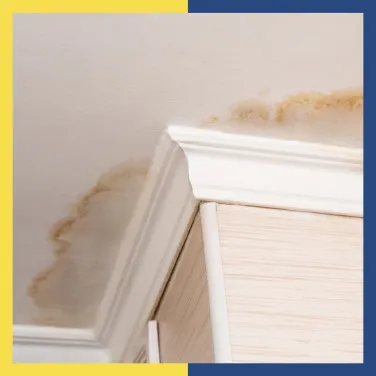
Water seepage is one of the most common causes of damp walls, peeling paint, and structural damage in homes. Over time, even small leaks can weaken a house’s structural integrity and create unhealthy living conditions. Understanding where seepage begins is the first step towards building a damage-free and long-lasting home.
Here are some of the most common sources of water seepage in homes –
- Active sources of water leakage
These are visible, ongoing water leakage issues that can quickly damage walls and ceilings if left untreated. Common active leakage sources include the following –
a. Faulty or broken pipelines
b. Leakage from overhead water tanks
c. Poor drainage systems
d. Blocked gutters and downpipes
e. Excessive rainwater accumulation on terraces
f. Water leakage from bathrooms and kitchens
c. Loosely sealed windows and wall joints
- Hidden or inactive seepage sources
Apart from visible leakages, there are also hidden sources of seepage that silently damage the structure over time. Some of the common inactive leakage sources include the following –
a. Hairline cracks in walls and roofs
b. Gaps between doors, windows, and walls
c. Moisture trapped inside walls
d. Weak waterproofing layers
e. Structural stress causing surface cracks
Since both active and hidden seepage can gradually damage your home, proper wall waterproofing is essential for maintaining structural strength and indoor comfort.
How waterproofing prevents seepage and dampness
Closeup Worker Installing Windows Gun Silicone Stock Photo 2266654647 | Shutterstock
Below are some important ways waterproofing the inside walls prevents seepage and dampness:
- Prevents moisture penetration
Advanced wall waterproofing solutions help seal pores, cracks, and weak points on surfaces. This reduces water absorption during heavy rain, plumbing leaks, or humidity exposure, helping walls stay dry for longer.
- Reduces mold and mildew growth
Damp and moist surfaces often encourage mold and mildew growth, which can affect both health and indoor air quality. Waterproofing helps control excess moisture, reducing the chances of fungal growth inside the house.
- Preserves paint and wall finishes
Continuous exposure to moisture can cause peeling paint, stains, bubbling surfaces, and damp patches. Waterproofing paint for interior walls helps maintain the appearance and durability of wall finishes over time.
By waterproofing the inside walls, homeowners can significantly reduce repair costs. It will also improve the property’s lifespan.
What are some ways to protect your home against external cracks and structural damage?
Building Facade Foam Insulation Scaffolding External Stock Photo 2762867799 | Shutterstock
External walls are constantly exposed to changing weather conditions, including rain, sunlight, humidity, and temperature fluctuations. Over time, this exposure can create cracks and weak spots that allow water to seep into the structure. Waterproofing helps strengthen the surface and minimise such damage.
Here is how wall waterproofing protects homes from external cracks and structural deterioration -
- Seals cracks and weak areas
Wall waterproofing solutions help fill minor cracks, gaps, and vulnerable joints before they expand further. This prevents water from entering the structure and reduces the risk of long-term damage.
- Improves structural durability
Water seepage can gradually weaken concrete, plaster, and other building materials. Waterproofing adds an extra layer of protection, helping maintain the structure’s strength and stability.
- Prevents costly repairs
Ignoring external cracks can eventually lead to severe structural issues and expensive repairs. Waterproofing the inside walls helps to control moisture damage at an early stage.
By protecting walls from water intrusion, waterproofing helps maintain both the appearance and durability of the home.
Safeguarding walls from rain and weather exposure
Below are some ways waterproofing safeguards walls from rain and environmental exposure –
- Protects exterior walls from rainwater
Exterior wall waterproofing creates a water-resistant coating that prevents rainwater from penetrating the surface. This helps reduce damp patches, seepage, and peeling paint during monsoon seasons.
- Prevents terrace and roof leakage
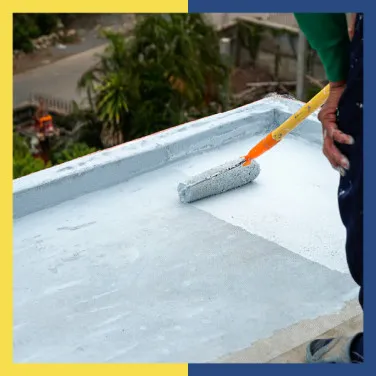
Terraces and roofs remain directly exposed to rainfall throughout the year. Wall waterproofing solutions help prevent water accumulation, leakage, and cracks caused by prolonged moisture exposure.
- Reduces weather-related deterioration
Constant exposure to sunlight, humidity, and heavy rains can gradually weaken walls and exterior finishes. Waterproofing provides long-term surface protection and helps preserve the strength of the structure.
As a result, homes remain better protected against seasonal damage and moisture-related problems.
Why choose waterproof paint and waterproofing over other solutions?
Waterproofing Coating Worker Applies Bitumen Mastic Stock Photo 1571429341 | Shutterstock
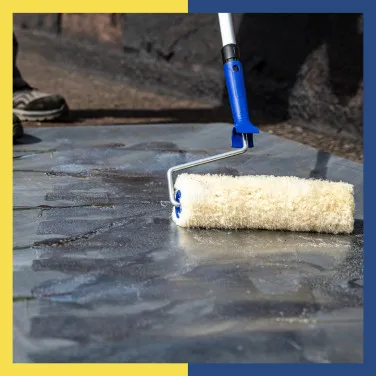
Waterproofing and waterproof paint are the best long-term solutions for water-related damage. Any other solutions are either temporary or inefficient. In addition, its ease of application and durability make it a hassle-free solution for water-related damage.
It is important to note that both your interior and exterior walls need protection. While waterproofing and exterior wall coating take care of the walls outside, waterproofing + waterproofing paint for interior walls takes care of the walls inside.
Common mistakes to avoid while waterproofing your house
Although waterproofing is an important part of home maintenance, improper application or neglecting key areas can reduce its effectiveness. Here are some common waterproofing mistakes homeowners should avoid –
- Ignoring foundation waterproofing
Foundation waterproofing is an important step in preventing rising dampness and structural weakness. Skipping this step during construction can lead to severe moisture-related issues later.
- Covering damp walls without fixing the source
Simply repainting damp walls without addressing the root cause only provides temporary relief. The actual source of leakage or seepage should always be identified and repaired first.
- Neglecting cracks and joints
Even small cracks and gaps can allow water to seep inside the walls. Proper crack filling and sealing should be completed before applying wall waterproofing solutions.
- Choosing DIY methods instead of expert solutions
Waterproofing requires correct surface preparation, suitable materials, and proper application techniques. Professional experts can provide more reliable and durable waterproofing results.
Taking the right waterproofing approach at the right time can help prevent repeated repairs and unnecessary future expenses.
How to make your home long-lasting and leakage-resistant
A strong and durable home requires regular maintenance and timely protection against water damage. Since moisture can affect both the appearance and structural strength of a property, homeowners should take preventive steps to keep their homes leakage-resistant.
Below are some useful ways to make your home long-lasting and better protected against water damage –
- Waterproof the critical areas of the house
Spaces such as terraces, bathrooms, kitchens, basements, and exterior walls are more vulnerable to water exposure. Prioritising waterproofing in these areas helps reduce the risk of leakage and seepage.
- Conduct regular inspections
If you are wondering how to make your wall waterproof, regular inspections and timely waterproofing treatment can make a significant difference. Routine inspections can help identify early signs of dampness, cracks, or plumbing leaks before they turn into major structural problems. Early repairs also help reduce maintenance costs.
- Use high-quality waterproofing products
Reliable waterproofing materials offer better durability, adhesion, and water resistance. Choosing quality products helps improve the building’s protection and lifespan.
- Seek professional waterproofing assistance
Professional waterproofing experts can accurately identify problem areas and recommend suitable treatment methods. Their expertise helps deliver long-lasting and efficient waterproofing solutions.
By investing in proper wall waterproofing and regular maintenance, homeowners can create a healthier, stronger, and damage-free living environment for years to come.
Choosing a reliable waterproofing expert
Maharashtra Pune -6 February 2024-pidilite Drfixit Stock Photo 2421910587 | Shutterstock
While waterproofing your walls is a wise decision, taking it up yourself with a DIY approach is not. Experts have better knowledge, experience, and equipment, ensuring the job is well done, efficient, and reliable.
Now, whether it is waterproofing paint for interior walls or any other water damage-related query, Dr. Fixit has an answer to all. Just fill out the form given below to reach out to us.
Frequently asked questions (FAQs)
What are the benefits of waterproofing your house?
Wall waterproofing helps protect your home from seepage, damp patches, peeling paint, and mold growth caused by moisture intrusion. It also improves indoor air quality, strengthens wall durability, and reduces the likelihood of costly future wall repairs.
What is the lifespan of waterproofing?
The lifespan of waterproofing depends on the quality of the waterproofing system, wall condition, weather exposure, and maintenance. High-quality wall waterproofing solutions and proper application methods can help extend their effectiveness.
What is the best time to waterproofing your home?
The ideal time for wall waterproofing is before the monsoon season or during the construction phase, as dry weather allows better application and curing. Early intervention helps prevent moisture from entering the walls and causing long-term damage.
How many coats of waterproofing should be done?
In most cases, at least 2 coats of waterproofing are recommended to create a strong and even protective barrier against water seepage. The exact number of coats may vary depending on the wall surface, level of damage, and product being used
Get Professional Waterproofing Solutions Today
Fill The Form below to took free site evaluation by Dr. fixit point safe painting service expert


होम केयर/डेकॉर
रंगों को मिला कर या अलग अलग रंगों का तालमेल बना के अपने लिविंग स्पेस को सजाएं








होम केयर/डेकॉर
Struggling with water leaking from walls? This is your guide to damproofing
Get Professional Waterproofing Solutions Today
Fill The Form below to took free site evaluation by Dr. fixit point safe painting service expert
