
Waterproof Coatings for Roofs: Make the Right Choice
Make the right choice: A guide to waterproof coatings for roofs
Choosing the right waterproof coating helps protect your roof from leaks, cracks, ponding water, mould, and long-term structural damage. The best option depends on your roof type, climate, substrate, foot traffic, and durability needs. With proper application, professional guidance, and regular maintenance, roof waterproofing can extend roof life, improve energy efficiency, and reduce future repair costs.



Table of Contents
- Is your roof safe from water damage?
- Common signs your roof needs waterproofing
- Understanding your roof’s needs
- Types of waterproof roof coatings
- Evaluating performance characteristics
- How to choose the right coating for your roof type
- Key benefits beyond waterproofing
- Step-by-step application process
- Common mistakes to avoid
- Why professional waterproofing matters
- Cost vs long-term value of waterproof coatings
- Maintenance tips for long-lasting performance
- A waterproof coating is your roof’s best friend, so choose wisely!
- Frequently asked questions (FAQs)
Is your roof safe from water damage?
Without proper waterproofing, you could face leaks, cracks, and even ceiling damage.
To protect your home and extend the life of your roof, applying waterproof coatings is essential. And to ensure your roof’s quality remains intact, it is important to choose the right roof waterproofing chemical.
With several options available, you must understand what makes each one effective and durable. This guide is here to help you with just that.
Common signs your roof needs waterproofing

Your roof can show the following early warning signs before serious water damage appears:
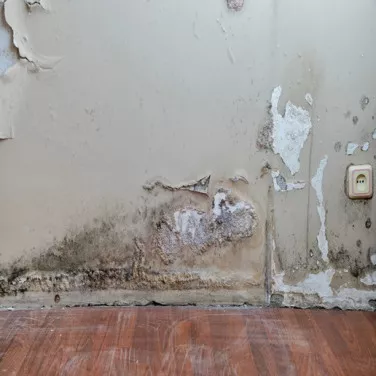
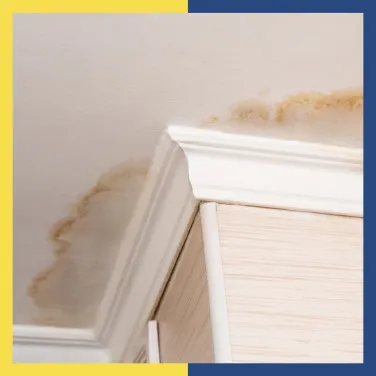
- Water stains and damp patches
Brown stains on ceilings or walls after rainfall usually indicate water seepage through the roof. In many cases, using a waterproof coating for walls alongside roof protection can help control moisture damage more effectively.
- Cracks and peeling surfaces
Small cracks, bubbling paint, peeling coatings, or blistered surfaces can allow water to penetrate the roof structure.
- Ponding water
If water remains on the roof for more than 48 hours after rain, it may weaken the surface and increase the risk of leaks.
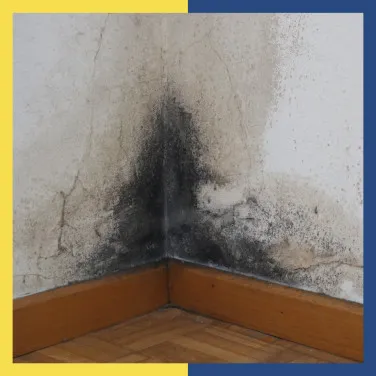
- Mould and mildew growth
Excess moisture can lead to mould, algae, and mildew growth, especially in humid conditions.
- Rising energy bills
Poor waterproofing may reduce insulation efficiency, causing indoor spaces to heat up faster and increasing cooling costs.
- Rust and corrosion
Metal roofs, flashing, and fasteners may begin to rust when exposed to prolonged moisture.
Understanding your roof’s needs

To choose the most suitable waterproof roof coating, consider the following factors –
- Roof type and climate
The type of roof you have and the climate in your area are fundamental in determining the best waterproof coating.
For instance, roofs in areas with heavy rainfall or extreme temperature fluctuations require coatings that are highly resistant to water penetration and can withstand expansion and contraction without cracking. On the other hand, roofs in milder climates may not need such heavy-duty solutions. Similar considerations apply when selecting a waterproof coating for walls in humid or high-rainfall regions.
- Substrate material
The material of your roof’s substrate—whether concrete or metal—also plays a significant role in the selection process. Each material has different absorption rates, adhesion properties, and expansion behaviours, all of which you should consider when choosing a waterproof roof coating.
- Roof size and foot traffic
The span of your roof and the level of foot traffic it experiences are critical factors –
a. Small to medium roofs (up to 7000 sq. ft.)
For these roofs, an effective waterproof coating that offers long-lasting protection is generally sufficient. These coatings can handle moderate expansion and contraction, providing reliable waterproofing without the need for extreme thickness.
b. Large roofs (more than 7000 sq. ft.)
Larger roofs require specialised attention due to their increased surface area and susceptibility to environmental stresses. For these roofs, Dr. Fixit recommends coatings with a thickness of 1000 microns or more, as they provide sufficient protection against heavy foot traffic and mechanical stresses.
- High foot-traffic areas
If your roof experiences heavy foot traffic, choose a waterproof coating that enhances tensile strength and durability. Coatings incorporating fibre-mesh reinforcement are particularly effective in these scenarios. The added reinforcement increases the roof’s resistance to wear and tear, ensuring the waterproofing remains intact even under constant use.

Types of waterproof roof coatings
There are various roof waterproofing chemicals, along with a waterproof coating for walls, that you can choose from, depending on climate, usage, and substrate material. The table below compares them:
| Type of coating | Best for | Key advantages | Typical lifespan |
| Acrylic coating | Concrete and flat roofs | UV-resistant, cost-effective | 5–10 years |
| Polyurethane waterproof coating | High foot-traffic roofs | Strong adhesion and durability | 10–15 years |
| Elastomeric coating | Areas with temperature fluctuations | Flexible and crack-bridging | 10–15 years |
| Silicone coating | Flat roofs with ponding water | Excellent water resistance | 10–15 years |
| Bituminous coating | Old or industrial roofs | Strong waterproof barrier | 10–20 years |
| Cementitious waterproofing | Concrete roofs and terraces | Easy application and reliable protection | 5–10 years |
| Liquid rubber membrane | Complex roof layouts | Seamless and flexible protection | 15–20 years |
Evaluating performance characteristics
When selecting a waterproof coating for your roof, consider the following performance factors –
- Durability – Ensure the coating can withstand the elements over time, maintaining its protective qualities even under harsh conditions.
- UV resistance – UV rays can degrade roofing materials, so choosing a coating with high UV resistance will extend your roof’s lifespan.
- Flexibility – A good waterproof coating should be flexible enough to accommodate the natural movements on your roof without leaking, cracking or peeling.

How to choose the right coating for your roof type
Selecting the right roof waterproofing chemical depends on:
- Concrete roofs – Elastomeric or acrylic coatings work well on concrete surfaces because they bridge hairline cracks and withstand heat expansion.
- Metal roofs – Choose coatings with anti-corrosive properties and strong adhesion to handle thermal movement and prevent rust.
- Tiled roofs – Tile-specific waterproof roof coatings help protect against rainwater penetration while maintaining the roof’s appearance.
- Flat roofs – Flat roofs are more prone to ponding water, so silicone or liquid-applied membranes are often preferred.
- High-traffic roofs – Use reinforced coatings with fibre-mesh technology for improved tensile strength and long-term durability.
- In hot, high-rainfall climates – UV-resistant, crack-bridging coatings perform best in areas exposed to harsh sunlight and heavy monsoon rains.
Key benefits beyond waterproofing
High-quality waterproof coatings offer much more than leak protection. Pairing roof systems with a waterproof coating for walls can further improve moisture resistance, indoor comfort, and long-term structural protection. It helps with:
- Improved energy efficiency – Reflective coatings reduce heat absorption, helping maintain cooler indoor temperatures and lowering energy consumption.
- Enhanced roof durability – Waterproof coatings protect the roof from UV rays, moisture damage, and weather-related wear, extending its lifespan.
- Crack resistance – Flexible coatings adapt to temperature-related expansion and contraction, reducing the risk of cracks.
- Reduced maintenance costs – Preventing water damage early helps minimise repair and repainting expenses over time.
- Better appearance – Modern coatings improve the roof’s finish and help maintain a clean, well-maintained look.
Step-by-step application process
Professional waterproofing systems follow a structured process for reliable performance.
- Step 1: Inspect your roof.
The roof is inspected for cracks, leakage points, ponding water, and damaged areas.
- Step 2: Clear the surface.
Dust, debris, algae, and loose particles are removed to improve coating adhesion.
- Step 3: Repair the crack and joint.
Visible cracks, joints, and pipe entry points are sealed using repair compounds or sealants.
- Step 4: Apply the primer.
A primer may be applied depending on the roof surface and coating type.
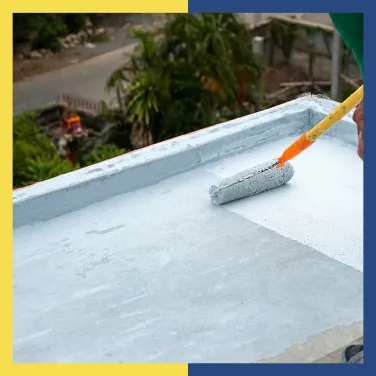
- Step 5: Apply the waterproof coatings.
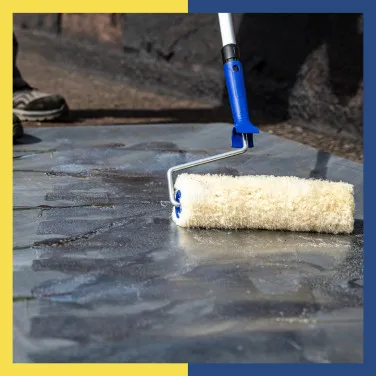
The roof waterproofing chemical is applied in multiple layers, evenly, using rollers, brushes, or spray equipment.
- Step 6: Consider reinforcement and detailing.
Critical areas, such as drains, expansion joints, and corners, may require additional reinforcement.
- Step 7: Complete curing and final inspection.
Once cured, check the roof to confirm complete waterproof protection.
Common mistakes to avoid
Here are some common issues you should avoid to improve the performance and lifespan of your waterproof roof coating:
- Ignoring small cracks and early signs of leakage
- Applying coatings on dirty or damp surfaces
- Choosing the wrong coating for the roof material
- Skipping primer or reinforcement layers
- Using an insufficient coating thickness
- Ignoring drainage and ponding water issues
- Delaying maintenance and inspections
- Attempting complex waterproofing repairs without professional support
Why professional waterproofing matters

Professional waterproofing goes beyond simply applying a coating. Experts assess roof condition, identify hidden damage, and recommend suitable roof waterproofing solutions based on climate, substrate, and usage.
Certified professionals also:
- Use correct surface preparation methods
- Maintain proper coating thickness
- Reinforce vulnerable areas
- Use high-quality waterproofing products
- Reduce the risk of premature coating failure
A professionally waterproofed roof generally performs better and lasts longer than temporary DIY solutions.
Cost vs long-term value of waterproof coatings
The cost of roof waterproofing chemicals depends on:
- Roof size
- Existing roof condition
- Coating material used
- Number of layers required
- Labour and preparation work
While premium roof waterproofing solutions may involve a higher upfront investment, they often offer greater durability, lower maintenance costs, and a longer service life.
Investing in quality waterproofing can help:
- Prevent structural damage
- Reduce repainting and repair expenses
- Improve energy efficiency
- Extend the roof’s lifespan by several years
In many cases, proactive waterproofing costs significantly less than repairing long-term water damage.
Maintenance tips for long-lasting performance
Proper maintenance helps to maximise the life of roof waterproofing solutions. So, here’s what you can do:
- Inspect the roof regularly – Check your roof at least twice a year, especially before and after the monsoon season.
- Keep drains and gutters clean – Blocked drainage systems can lead to water accumulation and surface damage.
- Remove debris and algae – Leaves, dirt, and algae can trap moisture and weaken the waterproof layer over time.
- Repair cracks immediately – Seal new cracks or damaged sections early to prevent water penetration.
- Recoat when required – Depending on the coating type and exposure conditions, periodic recoating may be necessary to maintain protection.
- Schedule professional inspections – Expert inspections can identify hidden issues before they become serious problems.
A waterproof coating is your roof’s best friend, so choose wisely!

Choosing the best waterproof coating for your roof also involves guidance, consultation, and expert advice. By carefully evaluating the given aspects, taking expert advice, and selecting a high-quality product, you can ensure the safety and beauty of your roof for years.
With Dr. Fixit, you can rest assured that we provide certified contractors, the best-quality products, and answers to your waterproofing questions. Fill out the form below to contact our experts now.
Frequently asked questions (FAQs)
Which is the best waterproof coating?
The best waterproof roof coating depends on your roof type, climate, and usage requirements. Elastomeric, silicone, acrylic, and polyurethane waterproof coatings are among the most commonly used solutions for residential and commercial roofs.
What are the different types of waterproof coatings?
Common waterproof roof coatings include acrylic, elastomeric, silicone, bituminous, cementitious systems, liquid rubber membranes, and polyurethane waterproof coatings.
What is the use of a waterproof coating?
Roof waterproofing solutions create a protective barrier that prevents water seepage, reduces moisture-related damage, protects against UV exposure, and extends the roof's lifespan.
Is waterproof coating expensive?
The cost of waterproof coatings depends on the material, roof size, and application method. While high-performance systems may cost more initially, they often reduce long-term repair and maintenance expenses.
Get Professional Waterproofing Solutions Today
Fill The Form below to took free site evaluation by Dr. fixit point safe painting service expert






होम केयर/डेकॉर
Struggling with water leaking from walls? This is your guide to damproofing
Get Professional Waterproofing Solutions Today
Fill The Form below to took free site evaluation by Dr. fixit point safe painting service expert
