
Membrane Waterproofing: Types, Benefits & Applications Guide
Membrane Waterproofing: A Complete Guide to Types, Application & Benefits
Membrane waterproofing forms a continuous protective barrier that prevents water from entering concrete, masonry, roofs, basements, bathrooms, and other moisture-prone areas. The right membrane depends on the surface, level of water exposure, climate, substrate condition, and whether the application is above or below ground. Proper surface preparation, correct thickness, sealed overlaps, adequate curing, and membrane protection are essential for long-term performance. Professional installation is recommended for major leaks and critical areas, as incorrect application can lead to recurring seepage and expensive repairs.



Table of Contents
- What is Membrane Waterproofing?
- Types of Membrane Waterproofing Systems
- Above-Grade vs Below-Grade Membrane Waterproofing
- Common Applications of Membrane Waterproofing
- Step-by-Step Membrane Waterproofing Application Process
- Key Benefits of Membrane Waterproofing
- How to Choose the Right Membrane Waterproofing System
- Maintenance and Lifespan of Waterproofing Membranes
- Professional vs DIY Membrane Waterproofing Installation
- Conclusion
- Frequently Asked Questions
Unchecked water damage can corrode steel reinforcements within concrete, leading to structural weakness, while persistent dampness causes paint to peel and creates costly, recurring maintenance issues.
Choosing the right membrane waterproofing system helps prevent these problems before they become expensive repairs. Modern membrane waterproofing systems create a continuous barrier that blocks water while protecting concrete and masonry from long-term water damage.
What is Membrane Waterproofing?

Membrane waterproofing is a type of waterproofing product that creates a protective layer over surfaces exposed to moisture. It prevents water penetration into structural elements while improving your home’s structural durability.
Unlike surface treatments that only resist minor moisture, membrane waterproofing forms a continuous barrier capable of handling prolonged exposure to rain or groundwater.
How Membrane Waterproofing Works
A waterproofing membrane seals pores and minor cracks on the surface. Once applied correctly, it prevents water from entering the structure while accommodating slight structural movements.
Different waterproofing systems need to be applied differently, and each has its own pros and cons. For example, sheet membranes are installed in overlapping layers, whereas a liquid waterproofing membrane cures into a seamless protective coating.
Why Membrane Waterproofing is Essential for Indian Homes
Indian buildings face heavy rains, high humidity, extreme temperatures, and the daily wear and tear of everyday life. These conditions can accelerate seepage and damp patches, which over time can lead to serious structural damage within your home’s walls.
Installing membrane waterproofing during construction or renovation helps:
- Prevent seepage and leakage
- Reduce structural deterioration
- Improve indoor comfort
- Lower long-term repair costs
- Increase the service life of the building
Types of Membrane Waterproofing Systems
Different projects require different waterproofing systems based on the surface and the environmental conditions. Understanding the types of membrane waterproofing helps you select the right solution for your home.
Sheet-Based Waterproofing Membranes
Sheet membranes are factory-produced rolls that ensure a consistent, uniform thickness, a key advantage over liquid-applied options, making them ideal for large, flat areas like terraces and foundations. They provide consistent thickness and are commonly used for terraces, podiums, tunnels, and foundations.
Liquid-Applied Waterproofing Membranes
A liquid waterproofing membrane is applied using rollers, brushes, or spray equipment. After curing, it forms a seamless waterproof layer. These systems work well for balconies, bathrooms, terraces, and complex surfaces with multiple joints.
For renovation projects requiring advanced liquid technology, products like Dr. Fixit Pidifin 2K and solutions based on advanced hybrid polyurea technology offer high-performance waterproofing.
Cementitious Waterproofing Membranes
Cementitious membranes consist of cement-based materials modified with polymers. They bond well with concrete and masonry. These systems are widely used for bathrooms, water tanks, retaining walls, and internal wet areas because of their ease of application.
Bituminous Waterproofing Membranes
Bituminous membranes provide excellent resistance against water and are commonly installed in basements, roofs, and below-ground structures. Torch-applied systems, including Dr. Fixit Torchshield, are widely used for projects requiring durable waterproofing membranes that can survive hectic conditions.
Thermoplastic Membranes (PVC and TPO)
Polyvinyl Chloride (PVC) and Thermoplastic Polyolefin (TPO) membranes are lightweight and UV-resistant, making them ideal for exposed roofs. These membranes offer flexibility and perform well under varying weather conditions.
HDPE Waterproofing Membranes
High-Density Polyethylene (HDPE) membranes are highly durable and resistant to chemicals and punctures. They are frequently specified for basements, tunnels, retaining walls, and infrastructure projects where long-term protection is non-negotiable.
Above-Grade vs Below-Grade Membrane Waterproofing
Above-Grade Waterproofing Applications
Above-grade waterproofing protects areas exposed directly to weather, including roofs, balconies, terraces, and external walls. These systems must withstand sunlight, rainfall, and temperature fluctuations without losing performance.
Below-Grade Waterproofing Applications

Below-grade waterproofing protects foundations and basements against groundwater pressure. Groundwater penetration can seriously damage your home’s structural components over time unless you properly secure your foundation with a high-quality below-grade waterproofing system.
Positive Side vs Negative Side Waterproofing
Positive-side waterproofing blocks water before it enters the structure and is generally preferred wherever access is available.
Negative-side waterproofing is applied from the opposite side when external access is limited. While useful in certain situations, professional assessment is essential before selecting this type of product.
Common Applications of Membrane Waterproofing
Waterproofing membranes are usually applied to roofs, basements, foundations, balconies, bathrooms, and swimming pools.
Roof Waterproofing with Membranes
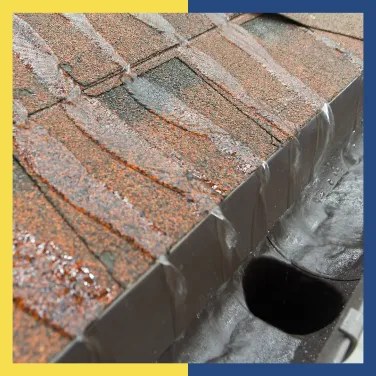
Roofs experience constant exposure to rain and sunlight. Membrane waterproofing helps prevent cracks and leakage while extending roof life. For residential roof protection, solutions such as Dr. Fixit Roofseal Classic provide reliable waterproofing for exposed roofs.
Basement and Foundation Waterproofing
Basements remain vulnerable to groundwater pressure. Proper membrane installation protects reinforcement steel and concrete against long-term moisture damage.
Bathroom and Wet Area Waterproofing
Bathrooms, kitchens, and utility areas remain exposed to water every day. Without proper membrane waterproofing, moisture can seep into walls and floors, causing damp patches, mould growth, musty smells, and tile damage. A professionally installed membrane beneath the flooring can prevent leakage and extend the life of your tiles/finish.
Balcony and Terrace Waterproofing
Balconies and terraces face constant exposure to rain, sunlight, and temperature changes. Over time, these conditions can lead to cracks and water leaks. Membrane waterproofing creates a durable barrier that protects the surface and reduces future maintenance requirements.
Swimming Pool and Water Feature Waterproofing
Swimming pools, fountains, artificial ponds, and other decorative water features require waterproofing that can withstand continuous water exposure. Properly installing the appropriate membrane helps minimise leakage and protects the surrounding structures.
Step-by-Step Membrane Waterproofing Application Process
Even the best waterproofing membranes can fail if they aren’t applied properly. If you want your home to remain free of leaks and seepage for the foreseeable future, follow the steps below strictly.
Surface Preparation Requirements
Successful membrane waterproofing begins with proper surface preparation. The substrate should be clean, dry, and free from dust, grease, loose particles, or previous coatings. Any cracks, honeycombing, or damaged concrete should be repaired before installation to ensure strong adhesion.
Installation Methods for Different Membrane Types
The installation method depends on the membrane selected. Sheet membranes are laid with overlapping joints, while a liquid waterproofing membrane is applied using a roller or spray to create a seamless, continuous coating.
Cementitious systems are usually brush-applied. On the other hand, bituminous membranes are often torch-applied by trained professionals. Following the manufacturer's application guidelines is essential for the waterproofing membrane’s long-term performance.
Common Application Mistakes to Avoid
Some common mistakes made during waterproofing include:
- Poor surface preparation: Dust, grease, moisture, or loose material can prevent the membrane from bonding properly.
- Ignoring cracks and joints: Untreated cracks often become future leakage points.
- Incorrect membrane thickness: Applying the membrane too thinly can reduce waterproofing performance.
- Improper overlaps and sealing: Gaps or poorly sealed sheet overlaps can allow water to pass through the system.
- Insufficient curing time: Interacting with the waterproofed surface or exposing it to the elements before the membrane fully cures can damage it.
- Skipping protection layers: Unprotected membranes can be punctured during tiling or other construction work.
Due to the complexity of this process, it is always advisable to hire the services of an experienced waterproofing professional. A professional can guide you through each stage of this complex process, ensuring that your home remains leak-free even during the harshest conditions.
Key Benefits of Membrane Waterproofing
Long-Term Protection Against Water Damage
The primary advantage of membrane waterproofing is its ability to prevent water ingress. By stopping moisture before it reaches structural elements, it reduces the risk of dampness, leaks, peeling finishes, and structural corrosion.
Enhanced Structural Durability
Water can gradually weaken concrete and masonry, and can even rust the steel support beams within your walls. A properly installed waterproofing membrane acts as a shield, preserving the building's structural integrity by preventing water from reaching and corroding the rebar within concrete slabs and columns.
Cost-Effectiveness and Return on Investment
Although the waterproofing membrane price varies depending on the material and application, investing in professional waterproofing is often significantly more economical than repairing extensive water damage later. Preventive waterproofing can help reduce maintenance costs throughout your home’s lifespan.
How to Choose the Right Membrane Waterproofing System

Factors to Consider Before Selection
Choosing the right membrane waterproofing system depends on several factors, including:
- Type of structure
- Area being waterproofed
- Expected water exposure
- Substrate condition
- Ease of maintenance
- Project requirements
Consulting a waterproofing specialist ensures that the selected system matches your home’s needs.
Climate Considerations for Indian Regions
India's climate varies significantly across regions. Coastal areas experience high humidity, while northern regions face large temperature variations. Selecting a membrane designed for the local environment ensures long-term performance and durability.
Budget and Performance Comparison
Cost should never be the only deciding factor. Instead, consider installation quality, durability, maintenance requirements, and the expected service life alongside the waterproofing membrane’s price. Look for the best value available in your budget.
Maintenance and Lifespan of Waterproofing Membranes
Expected Lifespan by Membrane Type
The lifespan of a waterproofing membrane depends on the material, installation quality, and local environmental conditions. Professionally installed systems can provide reliable protection for many years when maintained correctly.
Regular Maintenance Tips
Routine inspections help identify early signs of damage before they become major issues. You should:
- Inspect roofs and terraces annually
- Remove dirt from drainage outlets
- Ensure the drainage outlets are functional and undamaged
- Check your pipes, drains, and rooftop after heavy rains
- Repair minor damage promptly
When to Replace or Repair
Persistent leakage, visible membrane damage, blistering, or widespread seepage indicate that your waterproofing layer has failed and needs repairs or complete replacement. A professional inspection can help determine the most suitable solution in such situations.
Professional vs DIY Membrane Waterproofing Installation
Most homeowners prefer to use DIY fixes for small, accessible areas or minor repairs. However, DIY fixes should be avoided if you spot any serious leakage. The source of leakage is often different from where it appears. Water can migrate through walls and cause significant damage if you delay calling a professional.
When to Hire a Professional Waterproofing Contractor
Calling a professional waterproofing contractor is a must if you notice any major leaks, seepage, or mould growth in your home. Most membrane waterproofing systems require specialised knowledge and precise application techniques. Professional contractors can recommend the right product and reduce the likelihood of future failures.
DIY-Friendly Membrane Waterproofing Options
Most waterproofing products need to be applied by professionals; however, a simple sealant or paint coating can be enough for very minor damage. But if you notice any issues in critical structural areas such as basements, terraces, or the foundation, the best course of action is to call a trained waterproofing professional.
Conclusion
Choosing the right membrane waterproofing system is essential for protecting your home against water damage. Understanding the types of membrane waterproofing and proper installation methods helps you make informed decisions for your home’s future.
Fill out the form below to consult an expert waterproofing guide from Dr. Fixit.
Frequently Asked Questions
Q1. What is membrane waterproofing and how does it work?
Membrane waterproofing creates a continuous barrier that prevents water from penetrating concrete, masonry, and other building surfaces, protecting the structure from moisture damage.
Q2. Which type of waterproofing membrane is best for Indian homes?
The best option depends on the application. Liquid waterproofing membrane systems are suitable for terraces and balconies, while sheet and bituminous membranes are commonly used for foundations and basements.
Q3. How long does membrane waterproofing last?
The lifespan depends on the membrane type, installation quality, and maintenance. Properly installed systems can provide long-term protection when regularly inspected.
Q4. Can membrane waterproofing be applied to existing structures?
Yes, existing buildings can often be waterproofed after proper surface preparation and repairs, making it an effective solution for renovation projects.
Q5. What is the difference between sheet membrane and liquid-applied waterproofing?
Sheet membranes are factory-manufactured rolls installed with sealed joints, while a liquid waterproofing membrane is applied on-site and cures into a seamless waterproof coating.
Q6. Is membrane waterproofing necessary for all types of buildings in India?
Buildings exposed to rainfall, groundwater, or high humidity benefit from membrane waterproofing, particularly roofs, basements, bathrooms, balconies, and terraces.
Q7. How much does waterproofing membrane cost in India?
The waterproofing membrane price varies depending on the membrane type, application area, and project requirements. A professional assessment provides the most accurate estimate.
Q8. Can I install waterproofing membranes myself or do I need professionals?
While some products may appear straightforward to apply, professional installation is recommended for most waterproofing projects. Proper preparation and application are critical to achieving durable, long-term performance.
Get Professional Waterproofing Solutions Today
Fill The Form below to took free site evaluation by Dr. fixit point safe painting service expert


Get Professional Waterproofing Solutions Today
Fill The Form below to took free site evaluation by Dr. fixit point safe painting service expert
