
Make your home monsoon-ready with the right Dr. Fixit water leakage solutions. Prevent seepage, damp walls and roof leaks before the rains arrive with expert tips.
Make your home monsoon-ready with the right water leakage solutions
Preventing water leakages before the monsoon is significantly more effective and affordable than dealing with them mid-season. The most vulnerable areas in any home are terraces, parapet walls, external wall cracks, and drainage outlets. Applying professional water-leakage solutions to the roof and walls under dry conditions ensures proper bonding and long-lasting protection.



Table of Contents
- Why is pre-monsoon the right time to act?
- What are some common areas where leakages begin?
- How do small issues become big problems?
- What’s the cost of delaying repairs?
- Why does professional inspection matter?
- The right approach: Preventive waterproofing
- What is a practical pre-monsoon waterproofing checklist?
- Protecting your home and peace of mind
- Key takeaway
- FAQs
Every year, as the first rains arrive, thousands of homeowners across India scramble to manage the same crisis: water seepage. Water leaks through ceilings, stains spread down walls, and puddles form in corners. The unexpected repair bills are a result of inadequate preparation before it begins.
To avoid last-minute damage, the best time to work on it is before the first showers. Pre-monsoon planning lets you identify weak points and apply the right water-leakage solutions in advance. Whether you're worried about your roof, your terrace, or damp patches on your walls, acting now can save you time, money, and a great deal of frustration.
Why is pre-monsoon the right time to act?
Once the monsoon begins, repairs become difficult, expensive, and often temporary. Surfaces remain wet, access is limited, and quick fixes rarely last.
Pre-monsoon preparation gives you the advantage of:
- Dry conditions for proper inspection and repair
- Enough time to apply long-lasting solutions
- Preventing damage instead of reacting to it
This is the ideal time to implement roof and wall leak prevention solutions before heavy rain tests your home.
What are some common areas where leakages begin?
Water follows weak points. Identifying these areas early can save you from major issues later.
- Terraces and roofs
Roofs are the most exposed part of your home.
Common problems:
a. Surface cracks
b. Water ponding
c. Worn-out waterproofing layers
Without proper roof water-leakage solutions, even small cracks can lead to significant seepage.
- Parapet Walls
Parapet walls often develop cracks that allow water to enter.
a. What should you check:
b. Cracks along edges
c. Poor sealing at joints
d. Damaged coping
These areas are often overlooked but are major entry points for water.
- External walls
Exterior walls face direct rain impact.
a. Common issues include:
b. Hairline cracks
c. Damaged plaster
d. Poor-quality paint
A proper wall-water-leakage solution is essential to prevent moisture from entering your home.
- Drainage outlets and pipes
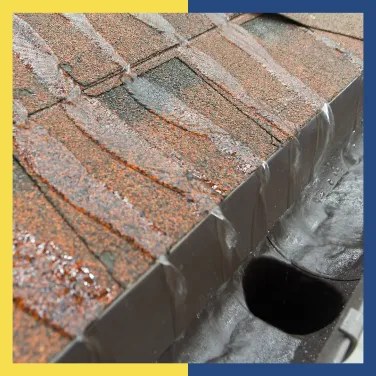
Blocked or poorly designed drainage systems can cause water to accumulate on roofs and result in:
a. Increased pressure on surfaces
b. Faster deterioration
c. Higher risk of leakage
Ensuring proper drainage is a key precaution during heavy rain.
How do small issues become big problems?
Many homeowners ignore minor cracks or damp spots, assuming they are harmless.
But during the monsoon:
- Cracks expand due to water absorption
- Continuous exposure weakens surfaces
- Moisture spreads deeper into walls and slabs
What starts as a small issue can quickly turn into:
- Ceiling leakage
- Peeling paint
- Mould growth
- Structural damage
This is why early intervention is critical.
What’s the cost of delaying repairs?
Waiting until the monsoon to fix leaks can lead to:
- Emergency repair costs
- Temporary solutions that fail quickly
- Damage to furniture and interiors
- Disruption to daily life
Reactive repairs are always more expensive and less effective than preventive measures.
Why does professional inspection matter?
A thorough inspection helps identify hidden problems that may not be visible.
Professionals can:
- Detect weak waterproofing layers
- Identify cracks and joints that need treatment
- Recommend the right water leakage solutions
The right approach: Preventive waterproofing
Preventive waterproofing is the most effective way to protect your home before the monsoon.
Solutions like Dr. Fixit’s waterproofing systems are designed to:
- Seal cracks and joints
- Provide long-lasting protection against rain
- Resist water penetration and weather impact
- Improve the overall safety of the home
When installed before the monsoon by trained contractors, these systems deliver reliable, durable results.
What is a practical pre-monsoon waterproofing checklist?
To prepare your home effectively:
- Inspect your roof for cracks and damage
- Clean and check drainage outlets
- Examine external walls for dampness or cracks
- Repair parapet wall joints and edges
- Apply professional water leakage solutions for the roof and walls
- Schedule a professional inspection
Following these steps ensures your home is ready to handle heavy rainfall.
Protecting your home and peace of mind
Water damage not only affects the structure but also impacts comfort, health, and daily life.
Taking preventive action ensures:
- Long-term durability
- Reduced maintenance costs
- A safe and comfortable living environment
By focusing on the right water leakage solutions, you can enjoy the monsoon without worrying about damage.
Key takeaway
The pre-monsoon season is the best time to protect your home from water damage. Identifying weak areas and applying the right water-leakage solutions for roofs and walls can prevent costly repairs later.
Dr. Fixit’s professional waterproofing products ensure long-lasting protection, improve home safety, and secure your peace of mind when applied before the rains. If you need to safeguard your house against water leakage, fill the form below to connect with expert waterproofing consultants.
FAQs
1. Why is pre-monsoon waterproofing important?
It helps prevent leakage by addressing weak areas before heavy rainfall begins, avoiding costly repairs later.
2. What are the best water leakage solutions for roofs?
Durable waterproofing systems with crack-bridging and water-resistant properties provide the best protection.
3. How can I prevent wall leakage during heavy rain?
Use an effective wall-water-leakage solution, repair cracks, and ensure exterior surfaces are well protected.
4. When should I inspect my home for leaks?
Ideally, inspection should be done before the monsoon season to allow time for proper repairs and waterproofing.
Get Professional Waterproofing Solutions Today
Fill The Form below to took free site evaluation by Dr. fixit point safe painting service expert


Get Professional Waterproofing Solutions Today
Fill The Form below to took free site evaluation by Dr. fixit point safe painting service expert
