
Best Waterproofing Materials: How to Choose for Your Home
Know what waterproofing materials are best for your home
Waterproofing is essential in homes to prevent leaks, cracks, and long-term damage. But it’s only efficient with the right waterproofing materials. Find out key factors for selection and expert insights to choose the best materials for your home construction.



Table of Contents
Water damage is one of the most significant threats to any structure, leading to cracks, dampness, and long-term deterioration. This is why selecting the right waterproofing material is so crucial for ensuring the durability and integrity of your building. From roofs to basements, every part of a structure requires a tailored waterproofing solution to prevent leaks, mould growth, and structural weakening.
This guide explores different types of waterproofing materials, their ideal applications, and the factors to consider when selecting them.
What factors influence the selection of waterproofing materials?
Several key factors can influence the performance and longevity of different waterproofing materials. Some of the major ones include –
- Climate conditions – Areas with heavy rainfall or extreme temperatures require high-resistance materials like bituminous coatings or polyurethane-based waterproofing.
- Surface type – Different waterproofing materials are suitable for different areas, like walls, roofs, basements, and bathrooms. For example, cementitious coatings are ideal for interior applications, while polyurethane works best for flat roofs.
- Building location – Commercial buildings, industrial sites, and residential homes have distinct waterproofing requirements based on usage and exposure to elements.
Types of waterproofing material and their benefits
Choosing the right waterproofing material involves understanding the strengths and limitations of each type –
- Cementitious waterproofing
● Best for – Basements, bathrooms, and interior walls.
● Advantages – Cost-effective, easy to apply, and highly durable for interior use.
● Limitations – Not flexible or weather-resistant, making it unsuitable for exterior surfaces exposed to temperature changes.
- Polyurethane waterproofing
● Best for – Flat roofs, industrial structures, and buildings in hot climates.
● Advantages – Resistant to extreme temperatures, UV rays, and chemical exposure. Highly flexible, preventing cracks from thermal expansion.
● Limitations – Relatively expensive compared to other waterproofing solutions.
- Liquid waterproofing
● Best for – External walls and outer structures of buildings.
● Advantages – Adapts to temperature variations, withstands expansion and contraction, and provides seamless protection.
● Limitations – Higher cost compared to cementitious waterproofing.
- Bituminous waterproofing
● Best for – Large-scale commercial and industrial buildings, roofs, and houses in monsoon-prone areas.
● Advantages – Excellent water resistance, long-lasting effects, and suitable for harsh weather conditions.
● Limitations – It may degrade under prolonged UV exposure, requiring an additional protective layer.
- Epoxy waterproofing
● Best for – Railway stations, malls, and high-traffic areas.
● Advantages – Strong moisture and chemical resistance, making it ideal for commercial applications.
● Limitations – Rigid and prone to cracking in high-temperature regions.

Professional guidance: Your key to appropriate material selection
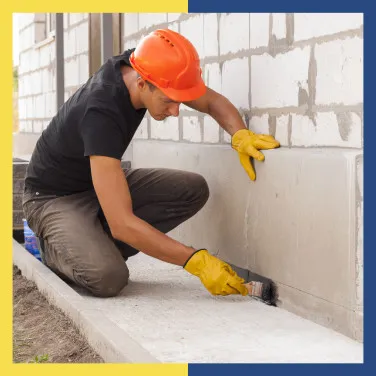
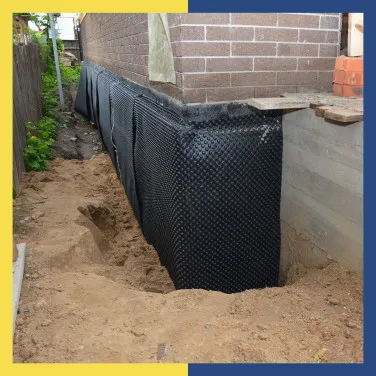
Different areas of the house have unique needs and, hence, require tailored waterproofing solutions. For instance, foundation waterproofing must be particularly secure, as any water infiltration can weaken the structure, leading to cracks and long-term damage. Similarly, using cementitious coatings and bituminous sheets as basement waterproofing materials helps seal underground structures against seepage.
Choosing the right waterproofing chemicals for your home depends on factors like moisture exposure, climate, and surface type. Always consult experts like Dr. Fixit when selecting waterproofing materials to ensure the most effective results.
Consequences of poor waterproofing
Neglecting waterproofing in different areas of the house can lead to several damaging consequences, such as –
- Structural deterioration – Continuous exposure to moisture weakens the foundation, walls, and ceilings.
- Seepage and cracks – Water ingress causes visible cracks and damage, leading to costly repairs.
- Failed waterproofing – Inadequate material selection or improper application reduces effectiveness over time.
- Aesthetic deterioration – Damp patches, peeling paint, and efflorescence negatively impact the appearance of buildings.
- Leaks and mould growth – Persistent moisture leads to fungal growth, affecting indoor air quality and health.
The right materials lead to the right protection
Investing in high-quality waterproofing materials is essential for protecting your property from long-term damage. The right solutions ensure durability, prevent costly repairs, and maintain structural integrity. For robust waterproofing and long-lasting results, consult professionals like Dr. Fixit to choose the best materials and application techniques. Preventive measures today can save you from expensive repairs in the future. Fill out the form below and get in touch with Dr. Fixit today!
Frequently asked questions (FAQs)
FAQ#1 – Why are waterproofing materials important?
High-quality waterproofing materials are important because they prevent water infiltration and protect your home from damage, mould, and deterioration. This enhances the structure's overall durability, reduces maintenance costs, and ensures a secure, moisture-free environment.
FAQ#2 – Can waterproofing materials be used for both indoor and outdoor spaces?
Yes, waterproofing materials can be used for both indoor and outdoor spaces. However, materials for interiors and exteriors can greatly vary since these spaces have different needs. Always consult a waterproofing specialist to determine the right waterproofing chemicals for different areas of your house.
FAQ#3 – How long do waterproofing materials last?
The lifespan of a waterproofing material depends on its quality, application, and environmental conditions. High-grade solutions can last 20–25 years with proper maintenance.
FAQ#4 – What surfaces can waterproofing materials be applied to?
Waterproofing materials can be applied to different surfaces of the house, such as the foundation, walls, roofs, bathrooms, kitchens, and ceiling. Always consult a specialist to determine the material required for a particular surface.
FAQ#5 – What are the common mistakes to avoid when using waterproofing materials?
Common waterproofing mistakes include using low-quality materials, skipping surface preparation, and improper application. Always choose expert-recommended waterproofing materials, such as those offered by Dr. Fixit, to maximise effectiveness and durability.
FAQ#6 – How much does waterproofing cost, and is it worth the investment?
Waterproofing costs vary depending on the material used and the area covered. However, investing in high-quality waterproofing chemicals prevents expensive repairs, making it a cost-effective long-term solution
Get Professional Waterproofing Solutions Today
Fill The Form below to took free site evaluation by Dr. fixit point safe painting service expert

नया घर
बाथरूम: आपके घर का वो सबसे महत्वपूर्ण क्षेत्र जिसे वॉटरप्रूफिंग की आवश्यकता है - खुश घरों

नया घर
इको-फ्रेंडली घर के लिए 6 डिज़ाइन टिप्स/ सुझाव /// पर्यावरण के अनुकूल घर को डिज़ाइन करने के 6 बेहतर तरीके



नया घर
अपना घर डिजाइन करने से पहले अपने घर के लेआउट और वॉटरप्रूफिंग के बारे में जान लेने का महत्व / अपना घर डिजाइन करने से पहले अपने घर के लेआउट और वॉटरप्रूफिंग को प्राप्त करने का महत्त्व

Get Professional Waterproofing Solutions Today
Fill The Form below to took free site evaluation by Dr. fixit point safe painting service expert
