
Damp proofing guide to protect your home’s structure
Guide to damp proofing: Protecting structural integrity from hidden moisture
Dampness is far more than a simple visual inconvenience; unchecked moisture can systematically compromise a building's load-bearing capacity. Understanding how moisture enters a property, the damage it causes, and the comprehensive damp proofing systems required to preserve its structural integrity are all important if you wish to safeguard your home against dampness for years to come.



Table of Contents
Maintaining the structural integrity of your home should be the ultimate priority, for both new constructions and renovations. And one of the greatest threats to any home is dampness. Dampness is not just a cosmetic issue, as unchecked moisture intrusion can severely weaken walls, degrade concrete floors, compromise foundations, and erode key structural elements.
To safeguard a building from long-term deterioration, a proactive approach is required. Comprehensive damp proofing is a preventive measure that secures your property's foundations, walls, basements, roofs, and drainage networks. Let’s understand how water intrusion can damage your home, and how damp proofing allows you to stop damage before it compromises the safety of your home’s structure.
What are the common pathways for moisture intrusion?
Moisture is incredibly opportunistic, finding its way into a home through various vulnerable zones. The common causes of dampness include:
- Rising damp: Groundwater travels vertically up through porous foundation bricks and concrete blocks via capillary action, destabilising lower masonry.
- Cracks in exterior walls: Cracks or weathered mortar joints create clear entry points for dampness in walls.
- Basement and sub-grade seepage: High hydrostatic pressure in the surrounding soil forces lateral water transmission through below-ground concrete walls.
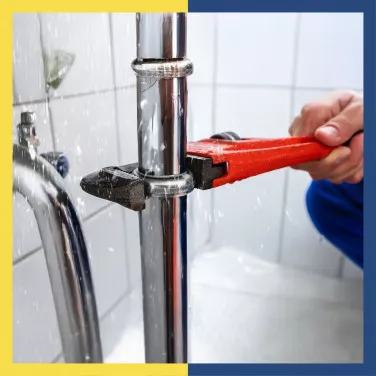
- Leaking subsurface pipes: Slow, hidden plumbing failures behind the plasterwork keep internal walls constantly saturated.
- Poor drainage and defective gutters: Blocked water channels cause heavy rainwater to pool directly against foundation walls instead of channelling away.
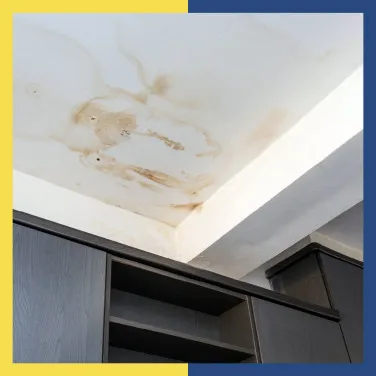
- Condensation: Inadequate ventilation traps warm, humid air indoors, causing moisture to accumulate on cold ceilings and at corner joints.
What structural damage can be caused by unchecked moisture?
Not dealing with the causes of water seepage can lead to internal structural consequences that get progressively severe over time:
- Corrosion of steel reinforcements: Moisture reaching embedded rebar triggers oxidation. As the steel rusts, it expands up to several times its original volume, causing the surrounding concrete to crack.
- Weakened concrete and masonry: Continuous water saturation dissolves essential mineral binders within concrete and mortar, gradually reducing their compression strength.
- Timber rot: Structural wood elements, such as floor joists and roof rafters, decay rapidly in high-moisture conditions, leading to sudden load failure.
- Foundation instability: Saturated soils beneath a property can swell or shift erratically, causing catastrophic foundation cracking and structural settling.
- Secondary deterioration: Damp environments foster aggressive mould growth and severe plaster breakdown, destroying interior assets and lowering property value.
What are the key damp-proofing solutions to safeguard your home?
A comprehensive damp proofing framework combines multiple physical and chemical barriers to create a dry structural shell:
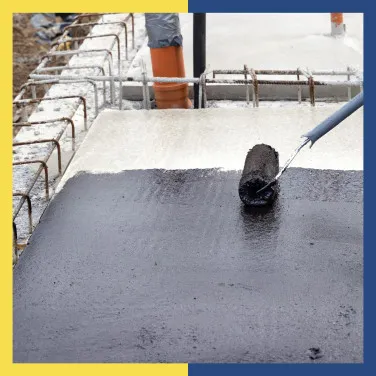
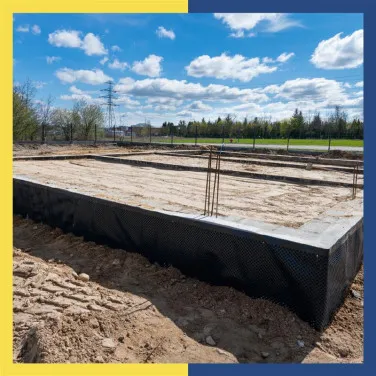
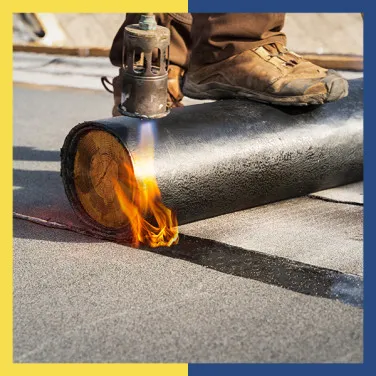
- Damp-proof membranes (DPM): Laying heavy-duty waterproof sheets under concrete floor slabs physically cuts off the home from sub-soil water vapour.
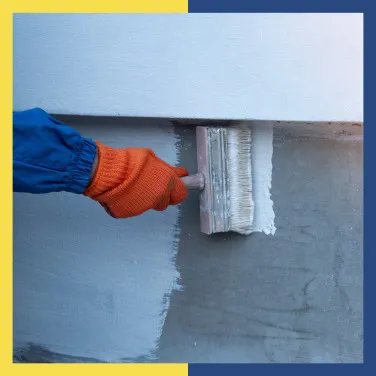
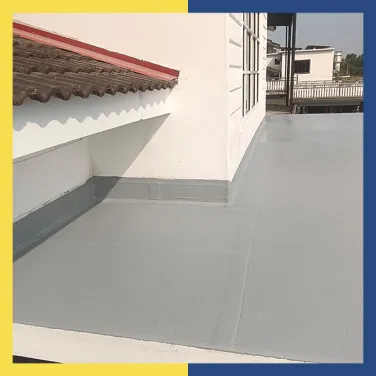
- Specialised waterproof coatings: Applying high-density polymer or cementitious chemical slurries seals exterior masonry and structural slabs against water penetration.
- Active crack sealing and wall repairs: Routing and filling structural faults with flexible sealants prevents the accumulation of moisture in walls.
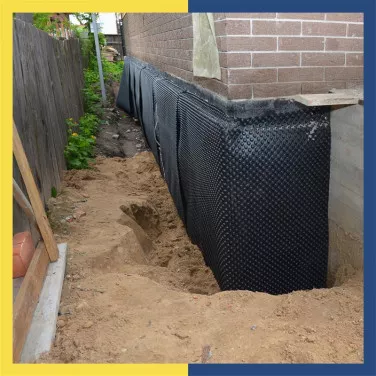
- Robust sub-grade waterproofing: Treating basement walls with waterproofing solutions keeps the hydrostatic soil pressure from forcing moisture indoors.
- Gutter maintenance and external drainage: Installing slope-corrected drains and clear gutter channels ensures surface water is swept away from the foundation.
- Mechanical and natural ventilation: Using high-extraction exhaust systems and strategic airflow designs eliminates internal humidity before it leads to persistent dampness.
Why is professional inspection crucial during damp proofing?
Because structural moisture damage begins out of sight, relying on casual visual assessments can be dangerous. Professional structural inspections are vital for damp proofing, especially for older homes or properties showing early warning signs such as localised stains or bubbling paint. By using specialised tools like thermal imaging and moisture meters, an engineer can pinpoint hidden leaks and address them immediately.
Key Takeaway
Comprehensive damp proofing protects a home from hidden moisture damage before it transforms into a major, high-cost crisis. By proactively addressing water entry points with the right waterproofing solutions, you can preserve your home’s structural integrity, safety, and long-term value.
Need to damp-proof your home? Then consider filling the form below to get in touch with Dr. Fixit’s expert waterproofing consultants.
FAQs
1. How does rising damp differ from lateral penetrating dampness?
Rising damp refers strictly to the vertical movement of groundwater climbing up through a foundation. Penetrating dampness, on the other hand, occurs laterally and is caused by water pushing through cracks in exterior walls, faulty roof flashing, or high-pressure soil surrounding a basement wall.
2. Why does moisture cause concrete to crack over time?
Concrete is naturally porous. When moisture enters, it interacts with the internal steel rebar, causing rust buildup. The expanding rust then puts pressure on the concrete, leaving it fragile and brittle.
3. Can adding ventilation help resolve a damp basement wall problem?
Ventilation is highly effective at eliminating condensation and surface mildew caused by humid air. However, if the dampness on a basement wall is driven by external groundwater pressure pushing through the concrete, ventilation alone cannot fix it.
4. What is the expected lifespan of a professional damp-proof course (DPC)?
A high-quality, modern physical damp-proof course (such as a heavy-duty plastic or a specialised chemical injection system) is engineered to last for decades, often matching the lifespan of the building itself.
Get Professional Waterproofing Solutions Today
Fill The Form below to took free site evaluation by Dr. fixit point safe painting service expert

नया घर
बाथरूम: आपके घर का वो सबसे महत्वपूर्ण क्षेत्र जिसे वॉटरप्रूफिंग की आवश्यकता है - खुश घरों

नया घर
इको-फ्रेंडली घर के लिए 6 डिज़ाइन टिप्स/ सुझाव /// पर्यावरण के अनुकूल घर को डिज़ाइन करने के 6 बेहतर तरीके



नया घर
अपना घर डिजाइन करने से पहले अपने घर के लेआउट और वॉटरप्रूफिंग के बारे में जान लेने का महत्व / अपना घर डिजाइन करने से पहले अपने घर के लेआउट और वॉटरप्रूफिंग को प्राप्त करने का महत्त्व

नया घर
बाथरूम: आपके घर का वो सबसे महत्वपूर्ण क्षेत्र जिसे वॉटरप्रूफिंग की आवश्यकता है - खुश घरों
नया घर
अपना घर डिजाइन करने से पहले अपने घर के लेआउट और वॉटरप्रूफिंग के बारे में जान लेने का महत्व / अपना घर डिजाइन करने से पहले अपने घर के लेआउट और वॉटरप्रूफिंग को प्राप्त करने का महत्त्व

नया घर
The difference between waterproofing and damp proofing | Drfixit Waterproofing Solutions









नया घर
Is your contractor doing a hasty job? Here's how to ensure quality waterproofing solutions


Get Professional Waterproofing Solutions Today
Fill The Form below to took free site evaluation by Dr. fixit point safe painting service expert
