
7 Roof waterproofing solutions essential for new construction success
Roof waterproofing should be planned during the design and construction stages to prevent leakage, seepage, and costly future repairs. Proper slope, drainage, material selection, sealing, and protective layers all contribute to long-term roof durability. Coordination between architects, contractors, and waterproofing specialists is essential to avoid damage during construction. Quality checks, such as visual inspections and ponding tests, help ensure reliable waterproofing prior to handover.



Table of Contents
- 1. Why should waterproofing be planned before roof construction?
- 2. What roof design factors influence waterproofing performance?
- 3. Which waterproofing measures should be included during construction?
- 4. Why is coordination between teams important?
- 5. What common waterproofing mistakes should you avoid?
- 6. How can you verify waterproofing quality before handover?
- Conclusion
- Frequently asked questions
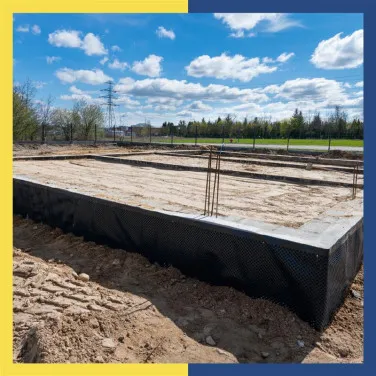
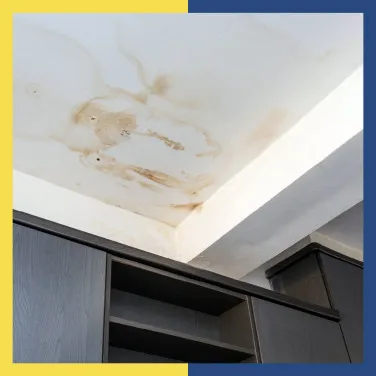
When planning a new home, roofing decisions often focus on structure and appearance. However, roof waterproofing solutions should receive equal attention from day one. Early waterproofing planning helps prevent leakage, seepage, and costly repairs later. It also supports long-term durability and lower maintenance costs.
The right roof waterproofing solutions work in tandem with roof design, drainage planning, and material selection. By integrating waterproofing into the construction process, you can create a stronger, more durable home.
1. Why should waterproofing be planned before roof construction?
Roof or terrace waterproofing is most effective when included during the design phase.
Early planning allows you to:
- Create proper roof slopes
- Design efficient drainage systems
- Select suitable roofing materials
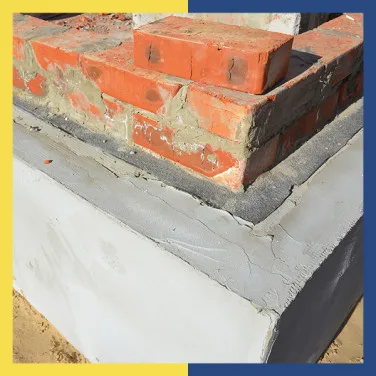
- Protect structural elements from moisture
Delaying waterproofing decisions often increases future repair costs. In many projects, waterproofing costs can be only a fraction of major roof repair expenses.
2. What roof design factors influence waterproofing performance?
Several design elements affect the success of roof waterproofing solutions.
Roof slope
A properly designed slope helps water flow towards outlets. Poor slope planning often leads to ponding water.
Drainage outlets
Drainage points should handle expected rainfall efficiently. Blocked or poorly placed outlets increase the risk of leakage.
Climate exposure
Heavy rainfall, high temperatures, and seasonal weather changes affect waterproofing performance. The best waterproof solution for roofs is the one that also suits local climate conditions.
Terrace usage
A terrace used for recreation may require additional protective layers and stronger waterproofing systems.
3. Which waterproofing measures should be included during construction?
Effective roof waterproofing solutions involve multiple protective layers.
Surface preparation
The substrate must be clean and sound before any waterproofing work begins.
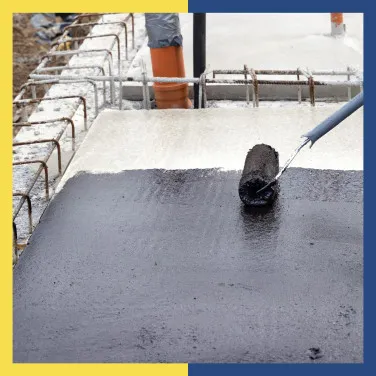
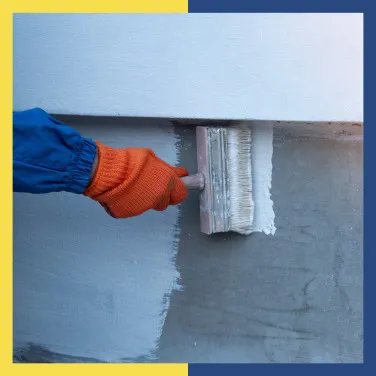
Waterproof membranes and coatings
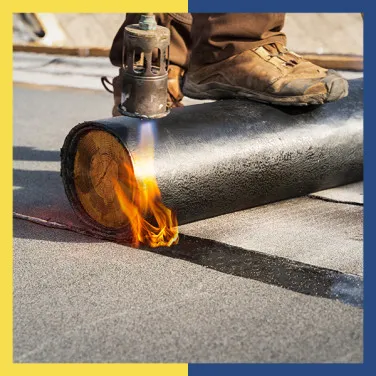
Professional waterproofing systems, such as Dr. Fixit Roofseal Classic, often include membranes or specialised coatings that resist water penetration.
Joint and crack sealing
Construction joints and movement areas require careful sealing to prevent moisture entry.
Flashing treatment
Flashing around roof edges, parapets, and junctions helps direct water away from vulnerable areas.
Pipe penetration sealing
Every pipe passing through the roof should be sealed properly. Small gaps can become major leakage points.
Protective screeding
Protective screeds help shield waterproofing layers from mechanical damage during later construction activities.
4. Why is coordination between teams important?
Even the most advanced roof waterproofing solutions can fail if construction teams work independently.
Architects, contractors, plumbers, electricians, and waterproofing specialists should coordinate throughout the project.
For example, installing pipes or electrical conduits later can damage waterproofing layers if not planned correctly. Proper coordination helps maintain the integrity of the waterproofing procedure from start to finish.
For additional guidance, explore the waterproofing solutions provided by Dr. Fixit.
5. What common waterproofing mistakes should you avoid?
Several issues frequently affect roof performance:
- Poor roof slope planning
- Blocked drainage points
- Low-quality waterproofing materials
- Inadequate application thickness
- Rushed curing periods
- Damage caused by subsequent construction activities
These mistakes can compromise a waterproof ceiling and increase long-term maintenance requirements.
6. How can you verify waterproofing quality before handover?
Quality checks are essential before project completion.
Recommended inspections include:
- Visual inspection of waterproofing layers
- Verification of drainage performance
- Water ponding tests
- Documentation of completed waterproofing work
- Final approval by waterproofing professionals
Regular inspections help identify potential concerns before they become expensive repairs.
Conclusion
Successful roof waterproofing solutions must be implemented during the design and construction stages, not after leakage occurs. Careful planning, proper material selection, professional waterproofing work, and thorough quality checks help create a durable roof system.
If you need expert guidance on roof waterproofing, fill out the form below to connect with a Dr. Fixit consultant.
Frequently asked questions
1. What is the best time to install roof waterproofing?
The ideal time is during new construction, before roof finishing layers are completed.
2. What is considered the best waterproof solution for roof protection?
The best solution depends on roof design, climate conditions, and intended roof usage. A professional assessment helps determine the right system.
3. Why do roofs develop leaks despite waterproofing?
Leaks often result from poor installation, damaged membranes, blocked drains, or inadequate maintenance.
4. How important is roof slope in waterproofing?
Roof slope is critical because it directs water towards drainage outlets and reduces ponding.
5. What is a water ponding test?
A ponding test temporarily holds water on the roof surface to verify waterproofing performance before project handover.
6. Can later construction work damage waterproofing systems?
Yes. Plumbing, electrical, or finishing work can damage waterproofing layers if proper coordination is not maintained.
Get Professional Waterproofing Solutions Today
Fill The Form below to took free site evaluation by Dr. fixit point safe painting service expert

नया घर
बाथरूम: आपके घर का वो सबसे महत्वपूर्ण क्षेत्र जिसे वॉटरप्रूफिंग की आवश्यकता है - खुश घरों

नया घर
इको-फ्रेंडली घर के लिए 6 डिज़ाइन टिप्स/ सुझाव /// पर्यावरण के अनुकूल घर को डिज़ाइन करने के 6 बेहतर तरीके



नया घर
अपना घर डिजाइन करने से पहले अपने घर के लेआउट और वॉटरप्रूफिंग के बारे में जान लेने का महत्व / अपना घर डिजाइन करने से पहले अपने घर के लेआउट और वॉटरप्रूफिंग को प्राप्त करने का महत्त्व

नया घर
बाथरूम: आपके घर का वो सबसे महत्वपूर्ण क्षेत्र जिसे वॉटरप्रूफिंग की आवश्यकता है - खुश घरों
नया घर
अपना घर डिजाइन करने से पहले अपने घर के लेआउट और वॉटरप्रूफिंग के बारे में जान लेने का महत्व / अपना घर डिजाइन करने से पहले अपने घर के लेआउट और वॉटरप्रूफिंग को प्राप्त करने का महत्त्व

नया घर
The difference between waterproofing and damp proofing | Drfixit Waterproofing Solutions









नया घर
Is your contractor doing a hasty job? Here's how to ensure quality waterproofing solutions


Get Professional Waterproofing Solutions Today
Fill The Form below to took free site evaluation by Dr. fixit point safe painting service expert
