
Bitumen Waterproofing: Benefits & Best Applications Guide
Bitumen Waterproofing: How It Works, Pros, Cons & Best Applications
Bitumen waterproofing forms a dense, water-resistant barrier that protects roofs, terraces, basements, foundations, and other moisture-prone structures. The main systems include torch-on membranes, self-adhesive membranes, cold-applied coatings, hot-applied systems, and SBS or APP-modified membranes. Long-term performance depends heavily on proper surface preparation, priming, joint treatment, secure overlaps, curing, and professional installation. Although bitumen waterproofing is durable and cost-effective, it may require UV protection, regular inspections, and timely maintenance to achieve its expected lifespan



Table of Contents
- What is Bitumen Waterproofing?
- How Does Bitumen Waterproofing Work?
- Types of Bitumen Waterproofing Systems
- Step-by-Step: How to Apply Bitumen Waterproofing
- Advantages of Bitumen Waterproofing
- Disadvantages and Limitations of Bitumen Waterproofing
- Best Applications for Bitumen Waterproofing in India
- Bitumen vs. Other Waterproofing Methods
- Lifespan and Maintenance of Bitumen Waterproofing
- Safety Precautions and Best Practices
- Frequently Asked Questions
Water damage can weaken concrete and shorten the life of any building. Choosing the right waterproofing system helps you prevent this damage and reduces the need for frequent repairs. One widely used system is bitumen waterproofing, as it offers dependable protection against moisture for terraces and basements.
Understanding how bitumen waterproofing works helps you select the right system for your project. The following guide explains its composition, working principle, different types and suitable applications.
What is Bitumen Waterproofing?

Understanding Bitumen as a Waterproofing Material
Bitumen waterproofing uses petroleum-based materials to create a continuous barrier that prevents water from entering concrete or masonry. Once applied correctly, it forms a protective layer that resists moisture penetration while accommodating minor structural movement.
Bitumen naturally repels water because of its dense molecular structure, making it suitable for locations exposed to heavy rainfall and standing water.
Composition and Properties of Bituminous Waterproofing
Bituminous waterproofing generally consists of refined bitumen combined with fillers, polymers and reinforcing fabrics. These additions improve its strength, elasticity, water resistance, and improve its longevity.
Important properties include:
- Excellent water resistance
- Strong adhesion to prepared substrates
- Good crack-bridging capability
- Resistance to many chemicals
- Long service life with proper installation
- Flexibility under varying temperatures
Modern bitumen waterproofing membranes often include polyester or fibreglass reinforcement to improve their stability and mechanical strength.
How Does Bitumen Waterproofing Work?
The Science Behind Bitumen's Water Resistance
The effectiveness of bitumen waterproofing comes from bitumen's low permeability. Its dense structure prevents water molecules from passing through the waterproof layer. Once installed correctly, the membrane or coating creates a continuous shield that blocks moisture from reaching the surface underneath.
Bitumen remains largely impermeable even after prolonged exposure to water, which makes it suitable for roofs, retaining walls, foundations, and underground structures.
Adhesion and Barrier Formation Process
Proper adhesion is essential for successful bitumen waterproofing. Before installation, professionals clean and prime the substrate to improve bonding. The membrane or coating then adheres firmly to the prepared surface.
After curing or bonding, the material forms a seamless barrier that prevents the entry of water through joints, cracks or surface imperfections. Particular attention should be given to corners, overlaps, and penetrations, as these areas experience the most water exposure.
Types of Bitumen Waterproofing Systems
Different projects require different waterproofing systems. The choice depends on the structure, exposure conditions, application method, and the surface’s compatibility.
Torch-On Bituminous Membranes
Torch-on membranes are among the most widely used forms of bitumen waterproofing. During installation, heat softens the underside of the membrane, allowing it to bond securely with the substrate.
These membranes provide excellent durability and are commonly used for:
- Flat roofs
- Podiums
- Basements
- Commercial buildings
- Bridge decks
For demanding projects requiring advanced waterproofing membranes, consider solutions such as Dr. Fixit Torchshield, designed for long-term waterproofing performance. Torch-on systems should always be installed by trained professionals because they involve the controlled use of blowtorches.
Self-Adhesive Bitumen Membranes
Self-adhesive membranes eliminate the need for torch application. They include a factory-applied adhesive layer protected by a removable release film.
These systems offer several benefits:
- Faster installation
- Reduced fire risk
- Cleaner application
- Strong adhesion
- Consistent membrane thickness
Self-adhesive systems are suitable for enclosed spaces and projects where flame-free application is preferred. Products such as Dr. Fixit Bitufix provide reliable self-adhesive waterproofing solutions for selected applications.
Cold-Applied Bitumen Coatings
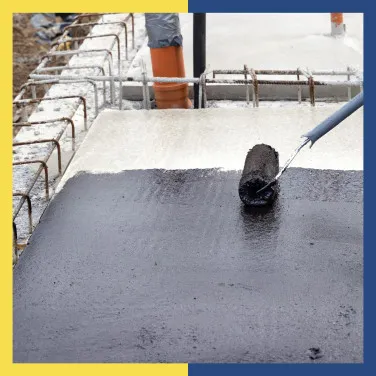
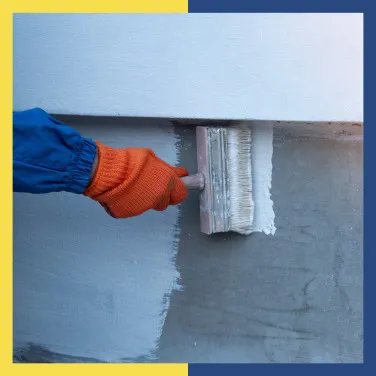
A cold bitumen waterproof coating is applied in liquid form using brushes, rollers or spray equipment. Once cured, the coating forms a flexible waterproof layer across the surface.
Cold-applied systems are commonly used for:
- Foundation walls
- Retaining walls
- Damp-proofing
- Small repair areas
- Pipe penetrations
Their ease of application makes them suitable for areas with complex detailing where sheet membranes may be difficult to install.
Hot-Applied Bitumen Systems
Hot-applied systems require heating the bitumen before installation. The heated material flows easily into joints and surface irregularities before cooling into a dense waterproof layer.
These systems are often selected for:
- Industrial structures
- Bridge decks
- Heavy-duty infrastructure
- Basement slabs
Because specialised equipment and strict temperature control are necessary, installation should always be carried out by experienced professionals following appropriate safety practices.
Modified Bitumen Membranes (SBS and APP)
Modified membranes enhance traditional bitumen waterproofing by incorporating specialised polymers.
Two common modifications include:
- Styrene-Butadiene-Styrene (SBS): Improves flexibility, making the membrane suitable for areas experiencing structural movement or lower temperatures.
- Atactic Polypropylene (APP): Increases heat resistance and UV performance, making it suitable for warmer climates and exposed roofing systems.
These enhanced membranes combine durability with improved flexibility, allowing bituminous waterproofing systems to perform effectively across a wide range of conditions.
Step-by-Step: How to Apply Bitumen Waterproofing
Surface Preparation for Bitumen Application
Successful bitumen waterproofing begins with proper surface preparation. Any dust, grease, loose particles or old coatings can affect the membrane’s long-term performance. The substrate should be clean, dry and structurally sound before waterproofing.
Priming the Substrate
A compatible primer improves the bond between the substrate and the bitumen waterproofing membrane. Primers seal pores while enhancing adhesion. The primer should be completely dry before the waterproofing layer is applied. Skipping this step can reduce the effectiveness of waterproofing, particularly on concrete and masonry.
Application Techniques for Different Bitumen Systems
The installation method depends on the selected bitumen waterproofing system.
- Torch-on membranes are heat-bonded to the substrate.
- Self-adhesive membranes are applied after removing the release film.
- A bitumen waterproof coating is brushed, rolled or sprayed onto the surface.
- Hot-applied systems require controlled heating before placement.
For demanding projects requiring high-performance torch-applied membranes, Dr. Fixit Torchshield MF offers long-lasting and durable protection.
Sealing Joints, Corners and Penetrations
Corners, construction joints, drainage outlets, and pipes are common leakage points. Reinforcement strips or additional primers are usually applied in these areas before the main waterproofing layer.
Proper planning creates a continuous barrier that improves the long-term reliability of bituminous waterproofing.
Curing and Final Inspection
Once installation is complete, the waterproofing system should be allowed to cure according to the manufacturer's recommendations.
A final inspection checks for:
- Proper adhesion
- Continuous membrane coverage
- Secure overlaps
- Well-sealed joints
- Surface defects or damage
Any issues should be corrected before protective screeds or finishing layers are installed.
Advantages of Bitumen Waterproofing

Excellent Water Resistance and Durability
One of the biggest strengths of bitumen waterproofing is its ability to create an impermeable moisture barrier. Properly installed systems can withstand prolonged water exposure, including exposure to stagnant water.
Cost-Effectiveness Compared to Other Methods
Compared with many alternative waterproofing systems, bitumen waterproofing often offers an economical balance between performance and lifespan. A properly installed system can also reduce repair costs associated with recurring water damage.
Versatility Across Multiple Applications
Its versatility makes bitumen waterproofing suitable for:
- Roofs
- Terraces
- Basements
- Foundations
- Podiums
- Water-retaining structures
- Infrastructure projects
Flexibility and Adhesion Properties
Modern bitumen membranes provide improved flexibility and adhesion. They can accommodate minor structural movement while maintaining a continuous waterproof layer.
Disadvantages and Limitations of Bitumen Waterproofing
UV Degradation and Heat Sensitivity
One major downside of bitumen systems is that they can deteriorate with prolonged ultraviolet (UV) exposure if left unprotected. Protective coatings or finishing layers are recommended if you’re applying a bitumen membrane in open areas.
Application Safety Concerns with Torch-On Methods
Torch-on installation involves open flames and should only be performed by trained professionals who know how to follow the appropriate safety measures. Proper ventilation and fire precautions are essential throughout the process.
Environmental and Sustainability Considerations
Bitumen is a petroleum-based material and hence presents the same environmental concerns that other petroleum products do. While modern formulations have improved performance and efficiency, you should consider your home’s environmental requirements and maintenance needs before choosing a bitumen system.
Lifespan Limitations in Extreme Climates
Extreme temperature fluctuations, poor installation or inadequate maintenance may reduce the service life of bitumen waterproofing. Selecting the correct membrane for local conditions helps improve its long-term performance.
Best Applications for Bitumen Waterproofing in India
Flat Roof and Terrace Waterproofing
Flat roofs and terraces frequently experience water ponding during the monsoon. Bitumen waterproofing provides a durable barrier that helps prevent seepage and protects the concrete structures below.
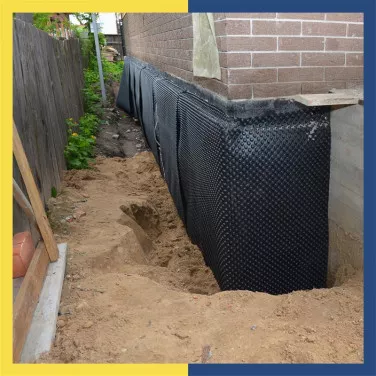
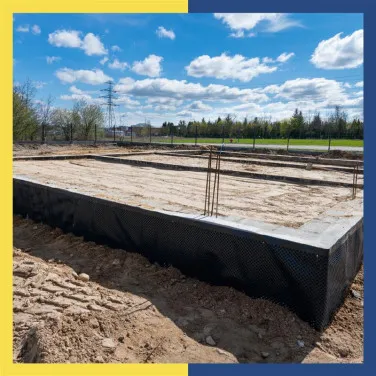
Basement and Foundation Protection
Underground structures remain under constant moisture pressure. A professionally installed bitumen waterproofing system protects the foundation against groundwater pressure.
For damp-proofing and foundation protection, solutions such as Dr. Fixit Bitufix are designed to provide dependable, long-term moisture resistance.
Bathroom and Wet Area Waterproofing
Bathrooms and other wet areas significantly benefit from waterproofing beneath floor finish. Selecting an appropriate bitumen waterproof coating can ensure that your bathroom remains leak-free irrespective of water exposure.
Water Tanks and Reservoirs
Certain specialised bituminous waterproofing systems may be used in water-retaining structures. Ensure that you only use a system that is compatible with water tanks as per the manufacturer’s product standards.
Bridge Decks and Infrastructure Projects
Bridge decks, tunnels, podium slabs and retaining structures commonly use bitumen waterproofing membranes because of their durability and strong moisture resistance.
Bitumen vs. Other Waterproofing Methods
Bitumen vs. Polyurethane Waterproofing
Polyurethane systems offer excellent flexibility and seamless application, while bitumen waterproofing is widely recognised for its durability and cost-effectiveness across many applications.
For projects requiring two-component polymer-modified waterproofing, Dr. Fixit Pidifin 2K acts as a good alternative solution.
Bitumen vs. Cementitious Waterproofing
Cementitious waterproofing performs well on internal wet areas and water-retaining structures. However, bitumen waterproofing generally provides greater flexibility and improved resistance when structural movement or significant external moisture exposure is a concern.
When to Choose Bitumen Over Alternatives
Bitumen waterproofing is often suitable when your project requires:
- Long-term moisture protection
- High adhesion
- Reliable membrane systems
- Basement or terrace waterproofing
- Proven performance in demanding environments
A professional assessment can help you determine the most suitable waterproofing system for your home.
Lifespan and Maintenance of Bitumen Waterproofing
Expected Durability: 10-20 Years Explained
A professionally installed bitumen waterproofing system typically lasts between 10 and 20 years, depending on product quality, environmental exposure and maintenance practices.
Factors Affecting Bitumen Waterproofing Lifespan
Several factors influence durability:
- Installation quality
- UV exposure
- Drainage performance
- Structural movement
- Membrane thickness
- Routine maintenance
Maintenance Tips to Extend Performance
Regular inspections help identify damage before leaks develop. Keep drainage systems clear, repair damaged protective layers promptly, and arrange periodic professional inspections, especially after severe rainfall.
Safety Precautions and Best Practices
Proper Ventilation and Protective Equipment
Proper ventilation reduces exposure to fumes during application. Installers should wear suitable protective equipment, including gloves, eye protection and appropriate footwear.
Weather Conditions for Optimal Application
Avoid applying bitumen waterproofing during heavy rain or on wet surfaces unless the selected product specifically permits it. Dry weather is preferable as it allows the waterproofing layer to cure/dry properly.
Fire Safety with Torch-On Systems
Torch-on systems require strict fire safety procedures. Qualified professionals should use controlled heating methods, maintain fire extinguishers nearby and follow site-specific safety guidelines throughout installation.
Frequently Asked Questions
Q1. What is bitumen waterproofing and how does it work?
Bitumen waterproofing creates a continuous moisture barrier using bitumen-based membranes or coatings. It prevents water from penetrating the building structure.
Q2. How long does bitumen waterproofing last in Indian climate conditions?
When professionally installed and maintained, bitumen waterproofing generally lasts between 10 and 20 years, depending on exposure, product quality and maintenance.
Q3. What are the main disadvantages of bitumen waterproofing?
Potential limitations include UV sensitivity, specialised installation requirements for torch-on systems, and reduced performance if incorrectly installed or maintained.
Q4. Can bitumen waterproofing be applied on wet surfaces?
Most systems require a clean and dry substrate for proper adhesion. Always follow the manufacturer's application guidelines.
Q5. Which is better for Indian homes: bitumen or polyurethane waterproofing?
The best choice depends on the application, exposure conditions and building requirements. A professional assessment helps identify the most suitable waterproofing system.
Q6. Is bitumen waterproofing safe for drinking water tanks?
Only products specifically approved for potable water contact should be used in drinking water tanks. Always verify the manufacturer's recommendations before selection.
Q7. How is torch-on bitumen different from cold-applied bitumen?
Torch-on systems use heat to bond the membrane, while cold-applied systems rely on liquid coatings or adhesives without an open flame.
Q8. What surface preparation is needed before applying bitumen waterproofing?
The surface should be clean, dry, structurally sound and properly primed. Cracks and defects should be repaired before installing the waterproofing system
Get Professional Waterproofing Solutions Today
Fill The Form below to took free site evaluation by Dr. fixit point safe painting service expert

नया घर
बाथरूम: आपके घर का वो सबसे महत्वपूर्ण क्षेत्र जिसे वॉटरप्रूफिंग की आवश्यकता है - खुश घरों

नया घर
इको-फ्रेंडली घर के लिए 6 डिज़ाइन टिप्स/ सुझाव /// पर्यावरण के अनुकूल घर को डिज़ाइन करने के 6 बेहतर तरीके



नया घर
अपना घर डिजाइन करने से पहले अपने घर के लेआउट और वॉटरप्रूफिंग के बारे में जान लेने का महत्व / अपना घर डिजाइन करने से पहले अपने घर के लेआउट और वॉटरप्रूफिंग को प्राप्त करने का महत्त्व

नया घर
बाथरूम: आपके घर का वो सबसे महत्वपूर्ण क्षेत्र जिसे वॉटरप्रूफिंग की आवश्यकता है - खुश घरों
नया घर
अपना घर डिजाइन करने से पहले अपने घर के लेआउट और वॉटरप्रूफिंग के बारे में जान लेने का महत्व / अपना घर डिजाइन करने से पहले अपने घर के लेआउट और वॉटरप्रूफिंग को प्राप्त करने का महत्त्व

नया घर
The difference between waterproofing and damp proofing | Drfixit Waterproofing Solutions









नया घर
Is your contractor doing a hasty job? Here's how to ensure quality waterproofing solutions


Get Professional Waterproofing Solutions Today
Fill The Form below to took free site evaluation by Dr. fixit point safe painting service expert
