
Why Consult an Architect for Waterproofing in Home Renovations
Why consult an architect before a major home renovation?
Being a homeowner is the best feeling in the world. It is your personal space.



Table of Contents
Being a homeowner is one of the most rewarding feelings. It is your personal space. Over time, making small changes here and there feels natural. But then comes that once-in-a-lifetime renovation that truly changes how you live and needs the expert guidance of an experienced, licensed architect.
Many homeowners hesitate when they hear about involving an architect. The concern is usually cost. There is a common belief that architects are only required for luxury homes or large-scale projects.
In reality, homes need thoughtful value engineering. This means balancing space efficiency, comfort, durability, and aesthetics. Architects are trained to evaluate all these aspects together. More often than not, their involvement leads to smarter decisions and outcomes that exceed expectations.
How architects elevate the renovation process
Architects elevate the renovation process by balancing design, safety, and long-term performance. Their planning also factors in essentials like waterproofing, helping prevent future water seepage and costly repairs.
- Thorough planning
An architect is trained to understand your needs and translate them into a practical design. During renovation, they remain sensitive to the existing structure and layout of your home.
In many cases, it is not necessary to demolish or rebuild extensively. An architect helps you achieve your goals with fewer alterations, saving time and cost. Their understanding of scale and proportion allows them to create a clear vision of the complete project that homeowners can easily visualise.
Architects also plan the entire renovation journey. This includes every step from concept design to final execution, ensuring nothing is left to chance.
Once the concept is finalised, detailed drawings are prepared for joinery and civil works. These measured drawings are created based on existing site conditions, ensuring optimal use of space without wastage.
During renovation, homeowners often add elements like designer fittings, artworks, or custom furniture. An architect knows exactly when these elements are needed, allowing advance planning and timely procurement.
- Technical know-how
Many people assume architects only focus on design and aesthetics. In reality, design is just one part of their role.
Architects study existing drawings and site conditions to assess what is feasible. They identify strong and weak areas of the structure and plan modifications accordingly. If structural strengthening is required, it is done without compromising the overall design.
This is also where planning for waterproofing becomes critical. Architects evaluate moisture-prone areas like bathrooms, kitchens, balconies, and utility spaces early in the renovation process. This helps prevent future water seepage, damp patches, and surface damage.
Architects also ensure that renovation work complies with local building regulations. After investing significant money into a home, no homeowner wants legal complications later.
- Hire support
Since architects plan the design and flow of the renovation, they are best placed to coordinate various professionals involved in the project.
This includes contractors, structural engineers, plumbing specialists, HVAC experts, and waterproofing solutions providers. Based on prior experience, architects know who is right for each job.
Before construction begins, architects conduct coordination meetings. These ensure that every stakeholder understands their role, reducing errors and delays during execution.
- Quality management
Home renovation is a significant investment. Naturally, homeowners expect high-quality results.
Architects help select materials based on durability, finish, and suitability. From surface finishes to fixtures, they ensure everything aligns with the intended design and performance standards.
This also includes supervision of critical applications such as internal wall waterproofing, flooring preparation, and finishing layers like waterproof paint for walls where required.
With an architect managing quality and coordination, homeowners can focus on their daily routines with far less stress.
Why waterproofing should be a core part of renovation plans
Waterproofing decisions made early can prevent years of damage, discomfort, and repeated repairs.
Here are some of the key benefits of professional waterproofing:
- Waterproofing safeguards your home’s structural strength
Unchecked moisture can weaken walls, slabs, and joints over time. Proper waterproofing solutions protect structural elements from long-term damage caused by persistent water seepage.
- Preventing dampness to improve indoor air quality
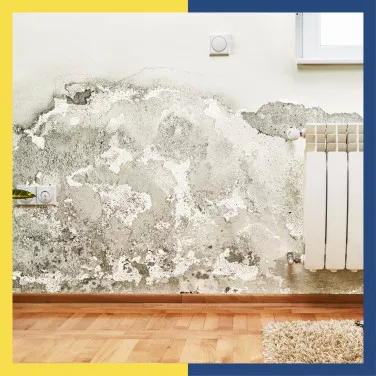
Damp walls often trap moisture, leading to mould growth and stale indoor air. Well-planned internal wall waterproofing helps keep living spaces healthier and more breathable.
- Boosting property value through lasting waterproofing solutions
Homes with visible dampness or peeling paint often lose value. Professionally executed waterproofing solutions improve durability and make properties more attractive to future buyers.
- Ensuring design longevity with the right waterproofing
Design finishes only last when the base is protected. Without proper waterproofing, even premium tiles or paints can deteriorate quickly. Strategic use of waterproof paint for walls complements deeper protective layers.
- Reducing maintenance and repair requirements
Recurring repairs due to leaks and dampness can be expensive. Effective waterproofing reduces the need for frequent repainting, plaster repairs, and structural fixes.
- Tailoring waterproofing solutions to local climate conditions
Moisture exposure varies by region. Architects consider rainfall patterns, humidity, and usage when recommending waterproofing solutions, ensuring suitability for local conditions.
- Improving energy efficiency by controlling moisture levels
Moist walls often affect insulation performance. Proper internal wall waterproofing helps maintain stable indoor temperatures and reduces energy loss caused by damp surfaces.
- Facilitating long-term planning
When waterproofing is planned during renovation, future upgrades become easier. Walls, floors, and finishes remain intact, allowing homeowners to make changes without addressing underlying damage again.
Wrapping up
A major home renovation is not just about changing how a space looks, but also how it performs over time. Architects bring together planning, coordination, quality control, and technical insight.
By integrating waterproofing, addressing potential water seepage, and choosing the right waterproofing solutions, architects help homeowners protect their investment and enjoy a healthier, longer-lasting home.
Dr. Fixit is a call away for all your waterproofing-related questions and concerns. Fill out the form below, and our team will contact you.
Frequently asked questions (FAQs)
- How do architects plan waterproofing solutions for homes?
Architects assess indications of water seepage, room usage, plumbing layouts, and wall conditions. Based on this, they plan layered waterproofing solutions, such as foundation waterproofing, internal wall waterproofing, bathroom and kitchen waterproofing, etc., before finishes are applied.
- How do waterproofing solutions enhance the lifespan of home interiors?
Waterproofing solutions prevent moisture from weakening walls, floors, and finishes. This reduces cracks, paint damage, and repairs, helping interiors stay durable, hygienic, and visually intact for longer.
- How does water seepage impact indoor air quality and health?
Water seepage traps moisture inside walls, encouraging mold growth. This can affect indoor air quality, trigger allergies, and cause breathing discomfort, especially for children and elderly residents.
- Do architects work with waterproofing contractors or handle it directly?
Architects usually coordinate with specialised waterproofing contractors. They guide material selection, application methods, and quality checks to ensure comprehensive waterproofing solutions are executed correctly.
- How often should waterproofing be inspected or redone after renovation?
Waterproofing should be inspected every five to seven years, or earlier if signs of water seepage appear. Timely checks help maintain the effectiveness of waterproofing solutions.
Get Professional Waterproofing Solutions Today
Fill The Form below to took free site evaluation by Dr. fixit point safe painting service expert








Renovation
Protect your living space: Difference between a weatherproof and waterproof house


Renovation
How to safeguard your home with waterproofing during the rainy season in India



Renovation
The Ultimate Guide to Monsoon Terrace Waterproofing: Protecting Your Home from Water Damage



Get Professional Waterproofing Solutions Today
Fill The Form below to took free site evaluation by Dr. fixit point safe painting service expert
