
Building Repair and Waterproofing Solutions for Your Old Home
Things to remember while using waterproofing services for your old home
Renovating your home? Know why prioritising waterproofing services to protect vital areas like roofs, bathrooms, and walls is a must. Also, learn how to approach waterproofing when there are existing water-related damages.



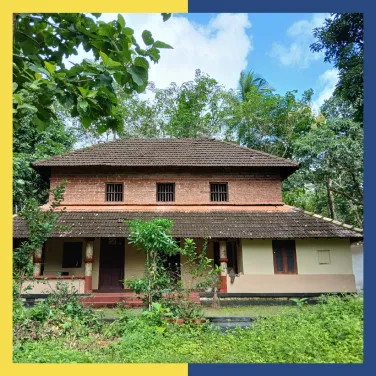
Is your old home showing its age with peeling paint, damp patches, or recurring cracks? During renovation, it is tempting to focus on fresh colours and finishes. However, the most important upgrade is choosing the right waterproofing solutions so that every other improvement lasts longer.
Water seepage can silently damage concrete, corrode steel, and spoil interiors over time. Before investing in tiles, paint, or interiors, repair the structure and protect it with suitable waterproofing solutions. This approach helps control future dampness, reduces repair costs, and keeps your home healthier and more comfortable

Signs your old home needs waterproofing
Look out for warning signs that your home may need attention –
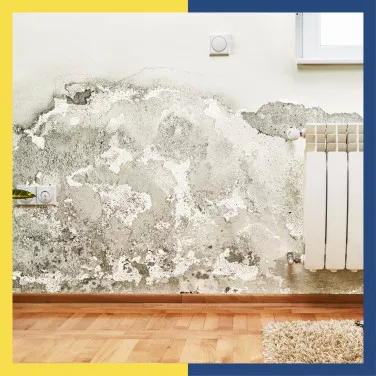
- Persistent damp patches on walls or ceilings that keep returning after repainting
- Flaking, bubbling, or peeling paint in specific areas of the house
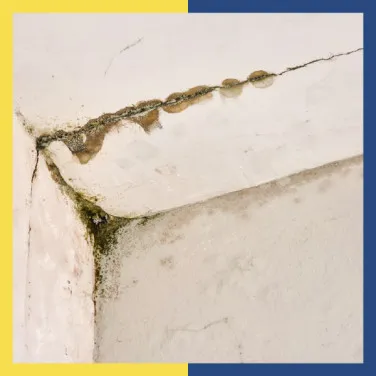
- Musty odours, black spots, or visible mould growth in corners or behind furniture
- White, powdery salt deposits on surfaces indicating moisture movement inside the walls
- Cracks in walls, junctions, or parapets that can become pathways for water
These signs suggest that earlier treatments have failed, and the home needs a planned repair strategy backed by the right waterproofing solutions.

Areas to consider when availing of waterproofing services
When you opt for building waterproofing services, it helps to know which areas usually need the most attention in an older structure. These waterproofing solutions work best when they target the most vulnerable parts of an older building:
- Roof and terrace
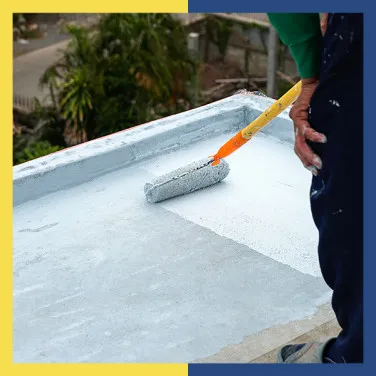
Roofs and terraces face constant sun, rain, and temperature changes. Over time, minor cracks and ponding water can lead to seepage into the slab below. A suitable waterproofing material on a well-prepared surface, along with proper slopes and drainage, can significantly reduce these issues.
- Bathrooms and kitchens
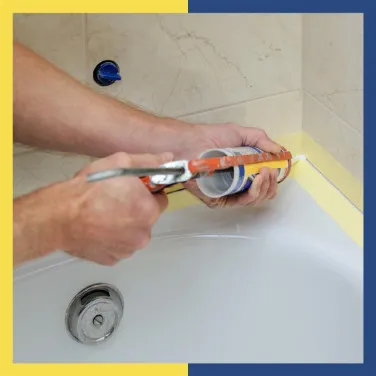
Bathrooms and kitchens are high-use wet areas. Leaks from tile joints, plumbing cut-outs, and pipe junctions can easily travel into adjacent rooms and lower floors. Using the correct waterproofing material below tiles and around critical joints helps stop this movement and protects nearby spaces. Targeted waterproofing solutions in these rooms minimise the risk of recurring damp patches in nearby spaces.
- Internal walls
Internal walls may show damp patches, blistering paint, and hairline cracks. If ignored, these can encourage mould growth and affect indoor air quality. Treatment of the source of seepage, along with compatible waterproofing material on the affected surfaces, helps restore both appearance and hygiene.
- External walls
External walls are exposed to wind-driven rain and weather changes. Small cracks or ageing coatings can allow water to enter the structure. A suitable system, applied as part of building waterproofing services, creates a protective barrier that limits water entry and helps keep interiors dry.
- Water tanks
Overhead and underground water tanks hold large volumes of water for daily use. Any cracks or weak joints can allow leakage into surrounding walls and slabs. Specialised tank repair systems, combined with the right waterproofing material, safeguard stored water and protect nearby structural elements.
A detailed inspection of these areas helps experts design effective treatment plans that address the root causes instead of only masking surface symptoms.

Next steps before waterproofing
Once key areas are identified, a few important steps are needed before applying any system –
- Carry out basic repairs
Fix cracks and small holes, replace broken tiles, and seal gaps around pipes. These repairs give every waterproofing material a sound base and improve its performance.
- Prepare the surface properly
Remove loose particles, dust, algae, and old flaking coatings. Clean any oil or contaminants that may affect adhesion. A well-prepared surface helps each layer bond correctly and last longer.
- Align the plan with experts
Discuss the sequence of repair work, surface preparation, and application. Understand which areas will be treated first and how long the process will take. This clarity helps you plan other renovation activities around the waterproofing schedule.
Treating dampness at this stage with appropriate waterproofing solutions protects plaster, coatings, electrical points, and furniture touching affected walls. It also improves the value of the house by slowing down moisture-related deterioration.

How Dr. Fixit can help you with waterproofing your old home
Renovating an old home is a good opportunity to correct seepage issues and strengthen the structure. Instead of repeating patchwork every monsoon, choose expert-led waterproofing solutions designed for your specific site conditions.
- Thorough diagnosis and planning
Professionals inspect key areas like roofs, terraces, bathrooms, external and internal walls, and water tanks to identify the main sources of moisture and seepage before work begins.
- Area-specific systems and applications
Based on their assessment, they recommend appropriate systems from reputed brands like Dr. Fixit, using tested waterproofing material for each area so repairs and coatings perform as intended.
- Long-term structural and interior protection
With the right products and application, you can reduce frequent repainting, protect key structural elements, and create cleaner, healthier interiors supported by well-planned building leakage solutions.
By combining expert assessment with suitable waterproofing solutions, your renovation can protect both the structure and the finishes you invest in. To explore suitable options for your structure, get in touch with experts from Dr. Fixit by filling out the form below.
Frequently asked questions (FAQs)
- Which waterproofing is best for an old roof?
There is no single best option for every old roof. The choice of waterproofing solutions depends on slab condition, existing layers, slopes, and drainage. An expert must inspect the roof and then recommend a suitable system and application method.
- Which is the no. 1 waterproofing material?
There is no universal “number one” product. Different areas like terraces, bathrooms, and tanks need different waterproofing solutions designed for their specific conditions. A diagnosis-based approach helps experts select the most suitable system for each part of the building.
- How much does building waterproofing cost?
The cost of waterproofing solutions depends on the total area, extent of damage, surface preparation needed, and type of system chosen. A site visit and detailed quotation from experts provide a clearer idea of both cost and long-term value.
Get Professional Waterproofing Solutions Today
Fill The Form below to took free site evaluation by Dr. fixit point safe painting service expert


Renovation
Questions you should ask a society manager about building repairs before buying an apartment













Renovation
Protect your living space: Difference between a weatherproof and waterproof house


Renovation
How to safeguard your home with waterproofing during the rainy season in India





Renovation
The Ultimate Guide to Monsoon Terrace Waterproofing: Protecting Your Home from Water Damage


Get Professional Waterproofing Solutions Today
Fill The Form below to took free site evaluation by Dr. fixit point safe painting service expert
