
Damage caused by leakage in bathrooms and kitchens
The hidden damage caused by bathroom and kitchen leakage
Minor leakage in bathrooms and kitchens can lead to hidden seepage, dampness, mould growth, and structural damage over time. Small tile gaps and plumbing leaks often allow moisture to spread silently within walls and slabs. Professional bathroom leakage solutions and kitchen waterproofing help prevent long-term damage and protect your home.



Table of Contents
- Why are bathrooms and kitchens high-risk zones?
- How can minor leakage turn into major damage?
- What is dampness, and why is it a warning sign?
- What is the structural risk of long-term water leakage?
- How can water leakage in bathrooms lead to mould growth and health concerns?
- Why do surface repairs usually fail?
- Why does professional waterproofing matter?
- The importance of kitchen waterproofing
- Why Dr. Fixit waterproofing systems make a difference?
- Practical tips for homeowners
- Key takeaway
- FAQs
Leakage in wet areas like bathrooms and kitchens is one of the most underestimated structural threats in Indian homes. These wet areas are constantly exposed to water, steam, and moisture, making them some of the most vulnerable parts of any home. Homeowners often treat it as a minor inconvenience, but over time, it can quietly damage walls, floors, and even the structural integrity of the entire building.
Here's why you should take that seepage problem far more seriously and understand the hidden risks that can help you act early and avoid expensive repairs later.
Why are bathrooms and kitchens high-risk zones?
Bathrooms and kitchens are exposed to water daily. Unlike living rooms or bedrooms, these areas contain:
- Concealed plumbing lines
- Tile joints and floor traps
- Continuous moisture and steam
- Frequent water usage
Over time, even small gaps or hidden leaks can allow water to seep beneath tiles, behind walls, and into slabs. This is where the real problem begins.
How can minor leakage turn into major damage?
Many homeowners only react when visible water damage appears. But leakage often spreads silently for months before becoming noticeable.
Common causes of hidden seepage:
- Tile joint gaps
- Damaged or porous grout lines allow water to slowly pass beneath tiles.
- Plumbing leaks
- Tiny pipe leaks hidden inside walls or under counters can continuously release moisture.
- Failed waterproofing
- Old or poorly installed waterproofing layers may no longer block water effectively.
These issues often create a hidden seepage problem that spreads internally before visible symptoms appear.
What is dampness, and why is it a warning sign?
Dampness refers to unwanted moisture trapped within walls, floors, or ceilings due to water penetration.
Common signs include:
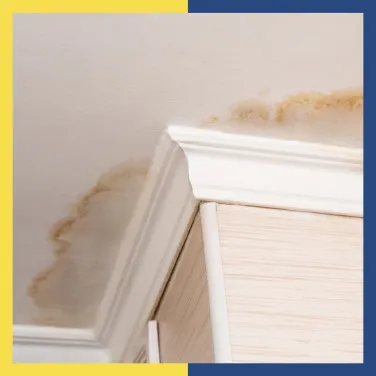
- Peeling paint
- Bubbling walls
- Damp patches
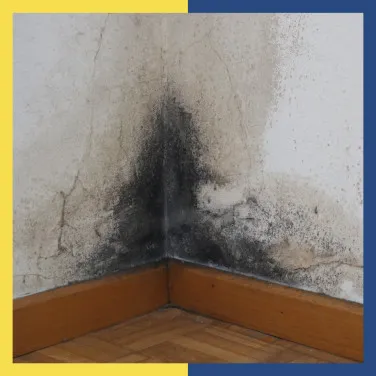
- Mould growth
- Musty odours
Dampness is much more than a cosmetic issue; it is usually an indication of ongoing leakage behind the surface.
What is the structural risk of long-term water leakage?
One of the biggest dangers of prolonged exposure to moisture is structural weakening.
When water continuously enters walls and slabs, it can:
- Weaken concrete over time
- Corrode steel reinforcement
- Damage adhesives and tile bonding
- Cause cracks and surface deterioration
This is why untreated water leakage from bathroom areas often affects neighbouring rooms and even lower floors in apartment buildings.
How can water leakage in bathrooms lead to mould growth and health concerns?
Bathrooms and kitchens already have high humidity levels. When leakage adds extra moisture, it creates the perfect environment for mould and fungal growth.
This can lead to:
- Unpleasant odours
- Allergies and respiratory discomfort
- Damage to cabinets and furniture
- Poor indoor air quality
Ignoring dampness can therefore impact both your home and health.
Why do surface repairs usually fail?
Many homeowners try temporary solutions such as:
- Replacing a few tiles
- Applying waterproof paint
- Using sealants over visible cracks
While these may provide short-term relief, they rarely solve the root cause.
A proper tile leakage solution must address:
- Hidden moisture paths
- Damaged waterproofing layers
- Joint and plumbing failures
Without comprehensive treatment, the problem usually returns.
Why does professional waterproofing matter?
Bathrooms and kitchens require specialised waterproofing systems because of constant exposure to water and steam.
Professional inspection helps identify:
- Source of leakage
- Extent of internal damage
- Areas affected by hidden seepage
- Whether plumbing or waterproofing has failed
This ensures that the right bathroom leakage solutions are applied rather than temporary fixes.
The importance of kitchen waterproofing
Leakage risks are not limited to bathrooms alone.
Modern kitchens contain:
- Sinks and concealed pipelines
- Dishwashers and water purifiers
- Moisture-prone countertop joints
Without proper kitchen waterproofing, water can seep into cabinets, walls, and flooring, causing hidden deterioration over time.
Why Dr. Fixit waterproofing systems make a difference?
Advanced systems like Dr. Fixit’s bathroom and kitchen waterproofing solutions are designed to provide long-term protection in wet areas.
These systems help:
- Prevent water seepage beneath tiles
- Protect walls and slabs from moisture damage
- Reduce risks of dampness and mould growth
- Improve overall structural durability
When installed by trained professionals, they offer a more reliable and lasting solution than surface-level repairs.
Practical tips for homeowners
If you notice signs of leakage or dampness:
- Don’t ignore small damp patches
- Check tile joints and plumbing regularly
- Address mould growth immediately
- Avoid relying only on surface sealants
- Schedule a professional inspection early
Acting quickly can prevent expensive structural repairs later.
Key takeaway
Leakage in bathrooms and kitchens is far more serious than it appears. What starts as a small seepage problem can gradually weaken walls, damage slabs, and affect the structural durability of your home.
Early inspections, proper repair, and professional waterproofing products (like those provided by Dr. Fixit) help provide long-term protection against hidden moisture and water damage.
FAQs
1. What causes water leakage from bathroom areas?
Common causes include damaged grout lines, plumbing leaks, failed waterproofing layers, cracked tiles, and poor drainage around wet areas.
2. What is dampness, and how do I identify it?
Dampness is unwanted moisture trapped inside walls, floors, or ceilings. Signs include peeling paint, damp patches, mould growth, musty smells, and bubbling surfaces.
3. Can small tile joint gaps really cause major leakage problems?
Yes. Even tiny gaps between tiles can allow water to seep beneath the surface over time, leading to hidden structural damage and seepage problems.
4. Why are surface-level repairs not enough for bathroom leakage?
Surface repairs often only cover visible symptoms. Without addressing the root cause, such as failed waterproofing or plumbing leaks, the leakage usually returns.
5. Why is professional waterproofing important for kitchens and bathrooms?
Professional waterproofing systems provide long-term protection by sealing vulnerable areas properly and preventing moisture from damaging walls, slabs, tiles, and adjoining spaces.
Get Professional Waterproofing Solutions Today
Fill The Form below to took free site evaluation by Dr. fixit point safe painting service expert


होम केयर/डेकॉर
Struggling with water leaking from walls? This is your guide to damproofing

Get Professional Waterproofing Solutions Today
Fill The Form below to took free site evaluation by Dr. fixit point safe painting service expert
